


Introduction
Uniswap’s fee switch went live on Ethereum on December 28, 2025. By late June 2026, Crypto Briefing reported cumulative protocol revenue of roughly $23.15 million, running at about $129,274 per day and $4.9 million over the trailing 30 days. The same report put Uniswap’s protocol-wide swap fees at approximately $845 million annually and described the switch as redirecting around 17% of swap fees to the protocol.
Those two figures do not reconcile cleanly. Seventeen percent of $845 million would be roughly $144 million a year. The reported annualized revenue range in that same coverage is $26 million to $58 million, depending on which window the estimate uses. The most plausible reconciliation is coverage: the switch was live only on Ethereum for the first three months, with governance votes extending it to Layer 2 deployments in March 2026 and again in June 2026, while the $845 million fee base spans every deployment. If that reading is right, the mechanism as currently configured is capturing something closer to a fifth of its theoretical ceiling, and the ceiling itself moves with each governance vote.
Six months after Uniswap flipped the switch, Aave’s founder posted that 100% of Aave and GHO revenue would flow to AAVE through automated buybacks, the headline feature of what trade coverage has called Aavenomics 3.0. The pitch is not more revenue capture. It is the removal of human discretion from the capture pipeline: revenue accrues to a collector contract, batches into a buyback contract, executes through venues with slippage and MEV protections, and settles with onchain receipts. The committee that previously decided when and how much to buy gets replaced by code that does not decide.
Both anchor cases here come from trade press without links to primary governance forums, protocol dashboards, or audited reports, and the Aave coverage is a secondary aggregation of other trade outlets. We treat every figure below as a reported estimate rather than a verified financial. The mechanism design is verifiable in a way the numbers are not, and the design is where the interesting problems are.
What the Uniswap switch takes, and from whom

A fee switch is a toggle, not a price increase. Uniswap’s mechanism does not raise what a trader pays to swap. It splits a fee that already exists, sending a fixed fraction to a protocol-controlled pipeline that buys and burns UNI. Read that way, the incidence of the switch falls on liquidity providers, whose fee income drops by the redirected share, rather than on swappers, whose execution cost is unchanged.
That distinction determines the failure mode. If the protocol had raised swap fees, the risk would be that traders route elsewhere and volume declines. Because it instead taxes the LP side, the risk is that liquidity providers earn less per unit of capital deployed and reallocate to venues that do not tax them. Thinner liquidity produces worse execution, worse execution attracts less volume, and less volume shrinks the fee base the switch draws from. The mechanism is self-limiting in a way that a fixed burn schedule is not, and nothing in the reported figures tells us how much of the LP base has tested that limit in the first six months.
The reported supply effect is modest. Buyback-and-burn is estimated to reduce UNI supply at roughly 0.4% per year. That is real but small, and it is a rate rather than a level: at that pace, the mechanism removes about the same share of supply each year that a moderately active liquidity incentive program can reintroduce. The relevant comparison is not against zero. It is against every other source of UNI issuance and unlock, and the sourced material does not net those out.
What the fee switch does establish is a durable accounting fact. Before December 2025, the gap between “Uniswap processes enormous volume” and “UNI has a claim on any of it” was total. After, the gap is quantified. Roughly $23 million over six months is a number that can be checked, trended, and compared against a market capitalization. Crypto Briefing framed this as UNI moving from a governance token to a value-accruing asset, which overstates the change in legal standing but correctly identifies the change in measurability.
Why the annualized range is so wide
The $26 million to $58 million spread is not noise. It is the difference between averaging over the full period since activation and extrapolating the most recent 30 days. The trailing 30-day figure of $4.9 million annualizes to roughly $59 million; the cumulative $23.15 million over roughly six months annualizes to around $47 million; earlier windows before the Layer 2 expansions were lower. The run rate has been rising because the coverage has been expanding, which means the recent figure is the better estimate of the current configuration and the worse estimate of steady-state organic growth. Anyone treating the high end as a stable revenue base is conflating a governance decision with demand.
Aave replaces the committee with a contract

Aave has been buying its own token since April 2025 under a discretionary program, reportedly acquiring more than 205,000 AAVE by mid-2026, about 1.28% of the 16 million maximum supply. That program worked the way a corporate repurchase authorization works: governance approved a budget, a committee or multisig executed against it, and the pace responded to judgment as much as to revenue.
Aavenomics 3.0, as announced around June 25, 2026, proposes to route 100% of Aave and GHO revenue into buybacks through a non-discretionary pipeline. The described architecture matters more than the headline percentage. Revenue accrues to a collector, batches or streams into a buyback contract, executes across venues with slippage and MEV protections, and settles into treasury, the Safety Module, or a burn address according to a governance-set destination, with onchain receipts at each step. The framing in trade coverage contrasts “persuasive” tokenomics, where a proposal promises future behavior, with “mechanical” tokenomics, where the behavior is the code.
Two numbers circulated as sizing references, and both need unpacking. The first is a trailing seven-day annualized fee run rate near $400 million. That is a fee figure, not a revenue figure, and in a lending market the distinction is the whole business. Most interest paid by borrowers flows to suppliers. What the protocol keeps is the spread set by the reserve factor, plus liquidation fees, flash loan fees, and whatever GHO minting and borrowing produce. The source that cited $400 million explicitly framed it as a sizing reference rather than a forecast, and it should not be read as the amount entering the buyback pipe.
The second is an estimate of roughly 292 AAVE purchased per day under the revised configuration, described in governance materials as a back-of-envelope figure contingent on revenue and parameters. Converting a dollar run rate into a token count requires a price assumption the sourcing does not state, so the two numbers are not independently checkable against each other.
The 292 figure is still worth holding against the prior program’s realized pace. Roughly 205,000 AAVE acquired between April 2025 and late June 2026 works out to somewhere near 450 tokens per day on average. The automated mechanism’s projected pace is lower in token terms, which does not mean less capital is being deployed. A fixed dollar flow buys fewer tokens as the price rises, so a token-count comparison across two periods confounds spending with price. The honest statement is narrower than either the bullish or bearish reading: moving from discretion to automation changes the reliability of the flow, and the available estimates do not establish that it changes the size.
The destination is still undecided
Repurchased AAVE can be burned, held in treasury, or routed to the Safety Module, and the sourcing describes that choice as governance’s to make. These are three different mechanisms wearing the same name. A burn reduces supply and is irreversible. A treasury allocation is a reallocation, and the tokens can be spent again on grants, incentives, or market making, which makes the supply effect temporary and the accounting circular. A Safety Module routing converts revenue into insurance capital, strengthening the protocol’s ability to absorb bad debt while doing nothing for scarcity, and potentially increasing the tokens available to be sold if the module is ever drawn down.
Until the destination is fixed, claims about AAVE’s deflationary trajectory under 3.0 are claims about an unmade decision. It is also unclear from the available coverage whether 3.0 has shipped as described or remains at the announcement and proposal stage; the source hedges throughout with “the stated plan” and “reports sketched the outline.”
Four axes that separate the designs
The label “buyback” covers designs with almost nothing in common. Four axes do most of the discriminating work.
| Design | Funding source | Discretion | Destination | Behavior in a drawdown |
|---|---|---|---|---|
| Uniswap fee switch (from Dec 2025) | Current swap fee flow, redirected from LPs | Governance sets the rate and the deployments; execution is mechanical | Burn | Buying falls with volume |
| Aave discretionary program (from Apr 2025) | Protocol revenue, committee-budgeted | High: pace and timing are judgment calls | Treasury | Can be paused, accelerated, or timed |
| Aavenomics 3.0 (as announced) | 100% of Aave and GHO revenue | Stated as non-discretionary once configured | Governance choice: treasury, Safety Module, or burn | Buying falls with revenue; pause capability unclear |
| Generic treasury-funded buyback | Pre-existing token or stablecoin reserves | Usually high | Varies | Independent of usage, but finite |
The funding axis separates mechanisms that distribute current cash flow from mechanisms that spend down a balance sheet. Both Uniswap and Aave are on the revenue-funded side, which is the more defensible position: a treasury-funded buyback converts reserves into price support and terminates when the reserves do, and it signals nothing about demand for the protocol’s product. Revenue-funded buybacks at least scale with something real.
The discretion axis is a tradeoff rather than a hierarchy. Automation buys credibility, because a holder does not need to trust that a committee will follow through, and predictability, because the flow becomes a function of observable revenue. What it sells is the ability to stop. A lending protocol facing bad debt, a stablecoin depeg, or a Safety Module shortfall has an obvious reason to want its cash flow available for recapitalization rather than committed to open-market purchases. If Aavenomics 3.0 ships as fully immutable, that option is gone by construction. If governance retains a pause, the mechanism is discretionary with extra steps, and the credibility premium is smaller than advertised.
What a buyback does in equities, and what it cannot do here

Corporate finance offers a clean baseline for what a repurchase does. Absent taxes and signaling, a buyback is a distribution: the firm exchanges cash for shares, total value falls by the cash paid, share count falls proportionally, and per-share value is unchanged. Value is created or destroyed only through the price at which the repurchase happens. Buying below intrinsic value transfers wealth from selling holders to remaining ones; buying above it does the reverse. The mechanism itself is neutral.
Everything beyond that baseline is an argument about information or discipline. The signaling case holds that management repurchases when it believes the stock is cheap, so the announcement conveys private information. The discipline case holds that returning excess cash prevents empire-building with capital that has no productive use inside the firm. Both cut against the naive reading that a buyback is good because buying pressure is good.
The critiques transfer to crypto more cleanly than the defenses. Poor timing is the standard finding against corporate repurchase programs, and a program that mechanically buys more when revenue is high is a program structurally biased toward buying when the asset is expensive. Optical improvement of per-unit metrics transfers directly, since supply reduction improves every ratio computed against supply regardless of whether the business improved.
The defenses transfer badly for one structural reason. An equity buyback reduces the count of instruments holding a legally enforceable residual claim on the firm’s assets and cash flows. A governance token generally holds no such claim. Burning UNI does not concentrate a right to Uniswap’s future fees among survivors, because no such right was ever attached. What it concentrates is a share of governance, and the practical value of that is whatever the next governance vote decides it is. The mechanism resembles a repurchase in its cash flows and differs from it in its legal substance, which is precisely the gap that “governance token to value-accruing asset” framing elides.
There is one axis where crypto is genuinely ahead. Equity repurchase execution is disclosed after the fact in periodic filings, with volume and timing conditions defined by a regulatory safe harbor. An onchain buyback with published receipts can be verified in near real time by anyone, without waiting for a quarter to close. Execution transparency is better. Revenue definition and audit are worse, because no independent party attests to what counts as protocol revenue, how it is measured, or whether the figure circulating in trade press matches the contract’s accounting.
The bid that is strongest when it is least needed
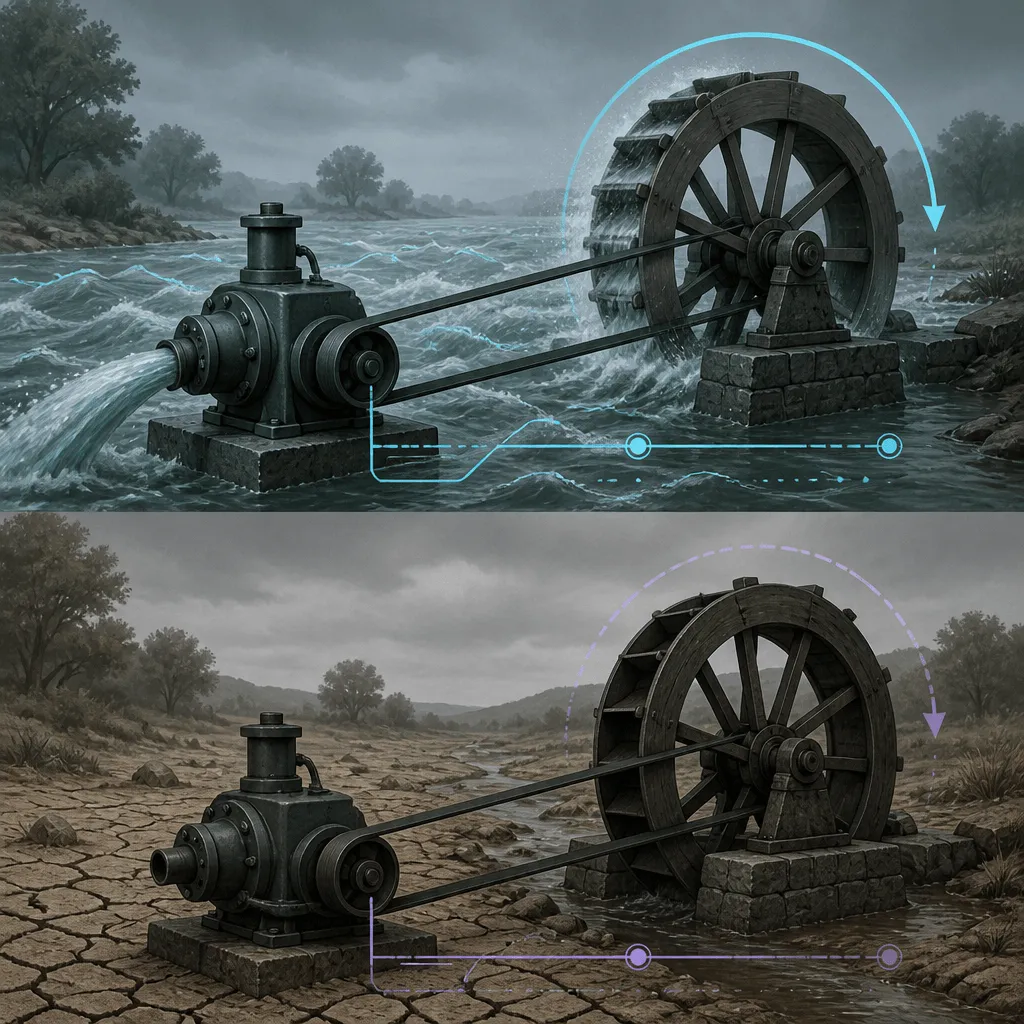
Usage-linked buybacks are pro-cyclical by construction. Uniswap’s redirect scales with swap volume. Volume scales with volatility and speculative activity. In a sustained drawdown where volume compresses and spreads widen, the buyback shrinks at the moment holders most expect it to function as support. The Aave coverage states this plainly: the mechanism buys more in good times and less in slow ones.
Aave’s revenue mix is partially, but only partially, an exception. Liquidation fees rise in violent markets, which gives the protocol one income stream that counter-trends. Interest spread and GHO activity do not; borrowing demand contracts as leverage unwinds. A crash therefore produces a mixed signal for Aave’s buyback rate and an unambiguously negative one for Uniswap’s.
The second-order problem is worse than the first. If a meaningful share of holders believe a mechanical bid exists, that belief enters the price before the drawdown. The bid is then discounted into a level it cannot defend, and the moment revenue falls, the mechanism withdraws support in the same direction and at the same time as everyone who was relying on it. The Aave source raises exactly this concern, describing the risk of a crowded trade formed by participants who plan to buy dips that the mechanism is expected to catch. A buyback that is well understood and pro-cyclical amplifies the cycle it was marketed as damping.
None of this is hypothetical in principle, but it is untested in evidence. Uniswap’s switch has run for roughly six months in conditions that appear to have been stable or improving. Aave’s automated design may not have executed at all. Neither mechanism has a single observation from a genuine liquidity contraction, and we cannot infer drawdown behavior from a dataset that contains no drawdown.
The design response is countercyclical smoothing: accumulate revenue in high-fee periods and deploy it against weakness, rather than spending as it arrives. That reintroduces discretion, or at minimum a rules-based reserve policy with parameters someone has to set. The current generation of designs went the other way, choosing the version that is easiest to verify over the version that is likeliest to stabilize.
Revenue quality is the unmeasured variable

A buyback pace is only as informative as the revenue behind it, and the distinction that matters most is whether the underlying activity would exist without subsidy. Swap volume driven by a points campaign, borrowing demand sustained by liquidity mining, and GHO supply supported by minting incentives all generate fees that are technically real and economically circular. The protocol pays to create activity, the activity generates fees, and the fees fund purchases of the token used to pay for the activity. Nothing in the reported numbers distinguishes that loop from organic demand.
The sourcing available for this piece provides no organic-versus-incentivized breakdown for either protocol. That is a gap, not a finding, and it should not be resolved by assumption in either direction. What can be said is what would resolve it. For Uniswap, the test is whether volume and the LP base hold up on deployments where the switch is active and incentives are not, and whether liquidity migrates after the redirect reduces LP take. For Aave, the test is whether the interest spread holds when borrowing incentives step down, and what share of GHO supply exists for reasons other than the yield offered on holding or minting it.
Revenue quality also determines what the buyback communicates. A repurchase funded by durable cash flow is a distribution. A repurchase funded by subsidized activity is closer to a transfer from token emissions into token purchases, with a fee accounting step in between. Both raise the same daily buy volume on a dashboard. Only one is a claim about the business.
The legal story the sources do not tell
Fee switches were debated for years before they were activated, and the stated reasons were consistent across protocols: a distribution of protocol cash flow to token holders looks like the kind of profit expectation that pulls a token toward securities treatment, and foundations feared personal and institutional liability for authorizing one. Uniswap governance in particular circled the question repeatedly without resolving it.
What changed by late 2025 is a question the available sourcing does not answer. Neither the Uniswap coverage nor the Aave coverage explains the legal reasoning behind the timing, identifies a specific regulatory development, or describes the governance debate that preceded activation. We are not able to verify from these sources that a legal change occurred at all, as opposed to a change in risk appetite, jurisdiction, or counsel.
One structural observation is available without new sourcing. Buyback-and-burn is not a distribution in the mechanical sense. No holder receives cash, no payment is made to an address, and the effect on any individual holder is mediated entirely through supply and price. That construction is why burn designs are often preferred over direct fee distributions to stakers, and it is a plausible part of why the burn variant arrived first. It does not address the question of whether holders expect profit from the efforts of others, which is the harder prong of the analysis and the one no mechanism design can engineer around. Anyone treating the current wave as evidence that the legal question has been settled is reading a timeline, not an opinion.
The tests these mechanisms have not yet faced
Three observable conditions would move this from narrative to evidence.
The first is a definition. Neither protocol’s “revenue” figure, as circulated in trade press, is tied to a published methodology or an independent attestation. A holder cannot currently distinguish a contract-level accounting of collected fees from a third-party dashboard estimate, and the $26 million to $58 million spread on Uniswap shows how much room that ambiguity leaves. Onchain receipts for buyback execution, which Aavenomics 3.0 promises, solve the smaller half of this problem. The larger half is what enters the collector in the first place.
The second is a drawdown. Every figure in this analysis comes from a period of stable or expanding activity. The specific thing to watch is not whether the buyback rate falls, which it will, but how far it falls relative to the price decline, and whether governance intervenes. If Aave pauses its “immutable” mechanism during a stress event, the credibility that automation was meant to purchase is spent in a single vote. If it does not pause during a Safety Module shortfall, the tradeoff becomes concrete in a different and more expensive way.
The third is a decision. Aave has not fixed where repurchased tokens go, and burn, treasury, and Safety Module produce three different assets with three different risk profiles. Uniswap has fixed its destination and its rate, but its coverage keeps expanding by vote, which means the effective capture rate is a policy variable rather than a property of the token. In both cases, what a holder owns is a claim on future governance behavior, dressed in the vocabulary of cash flow.
The measurable change since December 2025 is that a number exists where none did before. Roughly $23 million in six months against a fee base reported near $845 million a year is a small fraction of a large business, captured under a configuration that governance can widen or narrow at will. That is a starting point for valuation and a poor substitute for a claim.
References
- Uniswap generates nearly $23M in protocol revenue this year after fee switch activation, Crypto Briefing, June 2026.
- Aavenomics 3.0: Automated Buybacks and AAVE Demand, Crypto Daily, July 2026.
서론
유니스왑의 수수료 스위치는 2025년 12월 28일 이더리움에서 가동되었다. 2026년 6월 말 기준 Crypto Briefing은 누적 프로토콜 수익이 약 2,315만 달러이며, 하루 약 129,274달러, 최근 30일 기준 490만 달러 수준으로 운영되고 있다고 보도했다. 같은 보도는 유니스왑 전체 스왑 수수료를 연간 약 8억 4,500만 달러로 추산했고, 이 스위치가 스왑 수수료의 약 17%를 프로토콜로 재배분한다고 설명했다.
이 두 수치는 깔끔하게 맞아떨어지지 않는다. 8억 4,500만 달러의 17%라면 연간 약 1억 4,400만 달러여야 한다. 같은 보도에서 언급한 연환산 수익 범위는 2,600만~5,800만 달러로, 어느 구간을 기준으로 추산하느냐에 따라 달라진다. 가장 그럴듯한 설명은 적용 범위의 문제다. 스위치는 처음 3개월간 이더리움에서만 가동되었고, 이후 거버넌스 투표를 통해 2026년 3월과 6월에 각각 레이어 2 배포로 확대되었지만, 8억 4,500만 달러라는 수수료 기준은 모든 배포처를 포괄한다. 이 해석이 맞다면 현재 설정된 메커니즘은 이론적 상한선의 5분의 1 정도를 포착하고 있으며, 그 상한선 자체도 거버넌스 투표가 있을 때마다 움직인다.
유니스왑이 스위치를 켠 지 6개월 뒤, Aave 창립자는 Aave와 GHO 수익의 100%가 자동화된 바이백을 통해 AAVE로 흘러갈 것이라고 발표했다. 업계 보도에서 “Aavenomics 3.0”이라 부르는 이 발표의 핵심은 여기에 있다. 관건은 더 많은 수익 포착이 아니라, 포착 파이프라인에서 인간의 재량을 제거하는 것이다. 수익은 수집 컨트랙트로 쌓이고, 바이백 컨트랙트로 배치 처리되며, 슬리피지와 MEV 보호 장치를 갖춘 거래처를 통해 실행되고, 온체인 영수증과 함께 정산된다. 언제 얼마나 매수할지 결정하던 위원회는, 결정하지 않는 코드로 대체된다.
여기서 다루는 두 사례 모두 1차 거버넌스 포럼, 프로토콜 대시보드, 감사 보고서로 연결되는 링크 없이 업계 보도에서 나온 것이며, Aave 관련 보도는 다른 업계 매체를 재취합한 2차 보도다. 아래 모든 수치는 검증된 재무 데이터가 아니라 보도된 추정치로 취급한다. 메커니즘 설계는 그 수치들과 달리 검증 가능하며, 흥미로운 문제들은 바로 이 설계 안에 있다.
유니스왑 스위치는 무엇을, 누구로부터 가져가는가
수수료 스위치는 가격 인상이 아니라 전환 스위치다. 유니스왑의 메커니즘은 트레이더가 스왑에 지불하는 금액을 올리지 않는다. 이미 존재하는 수수료를 나눠서, 그 일부를 프로토콜이 통제하는 파이프라인으로 보내 UNI를 매입하고 소각한다. 이렇게 보면 스위치의 부담은 스왑을 실행하는 사람이 아니라 유동성 공급자(LP)에게 돌아간다. LP의 수수료 수입이 재배분된 몫만큼 줄어드는 반면, 스왑 실행 비용은 그대로이기 때문이다.
이 구분이 실패 양상을 결정한다. 프로토콜이 스왑 수수료 자체를 올렸다면, 리스크는 트레이더가 다른 곳으로 옮겨가고 거래량이 줄어드는 것이었을 터다. 대신 LP 쪽에 과세하는 방식이므로, 리스크는 LP가 투입 자본 단위당 벌어들이는 수익이 줄어들어 세금이 없는 곳으로 자본을 재배치하는 것이다. 유동성이 얇아지면 체결 품질이 나빠지고, 체결 품질이 나빠지면 거래량이 줄고, 거래량이 줄면 스위치가 끌어오는 수수료 기반 자체가 축소된다. 이 메커니즘은 고정된 소각 스케줄과 달리 자기제한적이며, 보도된 수치만으로는 첫 6개월 동안 LP 기반이 이 한계를 얼마나 시험했는지 알 수 없다.
보도된 공급 효과는 미미하다. 바이백 앤 번은 UNI 공급을 연간 약 0.4% 줄이는 것으로 추산된다. 이는 실질적이긴 하지만 작은 수치이며, 수준이 아니라 비율이다. 이 속도라면 이 메커니즘은 적당히 활발한 유동성 인센티브 프로그램이 매년 다시 풀어놓을 수 있는 공급량과 비슷한 몫을 제거하는 셈이다. 여기서 중요한 비교 대상은 0이 아니라 UNI의 다른 모든 발행 및 락업 해제 원천이며, 참고한 자료는 이를 상쇄해서 계산하지 않는다.
수수료 스위치가 확실히 만들어낸 것은 지속적인 회계상의 사실이다. 2025년 12월 이전에는 “유니스왑이 막대한 거래량을 처리한다”와 “UNI가 그 일부에 대한 청구권을 가진다” 사이의 간극이 완전했다. 그 이후로는 그 간극이 수치화되었다. 6개월간 약 2,300만 달러는 확인하고 추이를 살피고 시가총액과 비교할 수 있는 숫자다. Crypto Briefing은 이를 UNI가 거버넌스 토큰에서 가치 축적 자산으로 이동한 것이라 표현했는데, 이는 법적 지위 변화는 과장한 것이지만 측정 가능성의 변화는 정확히 짚은 것이다.
연환산 범위가 이렇게 넓은 이유
2,600만~5,800만 달러라는 편차는 잡음이 아니다. 이는 활성화 이후 전체 기간 평균을 낼 때와 최근 30일을 연환산할 때의 차이다. 최근 30일 수치인 490만 달러를 연환산하면 약 5,900만 달러가 되고, 6개월간 누적된 2,315만 달러를 연환산하면 약 4,700만 달러가 되며, 레이어 2 확대 이전 구간은 더 낮았다. 실행 속도가 계속 올라간 이유는 적용 범위가 계속 넓어졌기 때문이며, 이는 최근 수치가 현재 설정을 더 잘 반영하는 추정치이면서 동시에 정상 상태의 유기적 성장을 더 못 반영하는 추정치라는 뜻이다. 상한값을 안정적인 수익 기반으로 취급하는 사람은 거버넌스 결정과 수요를 혼동하고 있는 것이다.
Aave, 위원회를 컨트랙트로 대체하다
Aave는 2025년 4월부터 재량적 프로그램을 통해 자체 토큰을 매입해왔으며, 2026년 중반까지 20만 5,000 AAVE 이상을 매입한 것으로 알려져 있다. 이는 최대 공급량 1,600만 개의 약 1.28%에 해당한다. 이 프로그램은 기업의 자사주 매입 승인과 비슷하게 작동했다. 거버넌스가 예산을 승인하고, 위원회 또는 멀티시그가 이를 집행하며, 속도는 수익만큼이나 판단에 좌우되었다.
2026년 6월 25일경 발표된 Aavenomics 3.0은 Aave와 GHO 수익의 100%를 비재량적 파이프라인을 통해 바이백으로 투입하는 것을 제안한다. 헤드라인 수치보다 설명된 구조 자체가 더 중요하다. 수익은 수집 컨트랙트로 쌓이고, 배치 또는 스트림 형태로 바이백 컨트랙트로 흘러가며, 슬리피지와 MEV 보호 장치를 갖춘 거래처를 거쳐 실행되고, 거버넌스가 설정한 목적지, 즉 트레저리, 세이프티 모듈, 또는 소각 주소로 정산되며, 각 단계마다 온체인 영수증이 남는다. 업계 보도의 프레이밍은 미래 행동을 약속하는 “설득형” 토크노믹스와, 그 행동 자체가 곧 코드인 “기계적” 토크노믹스를 대비시킨다.
정황상 참고 수치로 두 가지 숫자가 돌았는데, 둘 다 뜯어볼 필요가 있다. 첫 번째는 최근 7일 기준 연환산 수수료 실행 속도가 약 4억 달러라는 것이다. 이는 수익이 아니라 수수료 수치이며, 대출 시장에서 이 구분은 사업 전체를 좌우한다. 차입자가 지불하는 이자 대부분은 공급자에게 흘러간다. 프로토콜이 가져가는 것은 준비금 계수(reserve factor)가 정한 스프레드에 청산 수수료, 플래시론 수수료, GHO 발행과 대출에서 나오는 몫을 더한 것이다. 4억 달러를 인용한 출처도 이를 예측치가 아니라 규모 참고용 수치라고 명시적으로 밝혔으며, 이를 바이백 파이프라인으로 들어가는 금액으로 읽어서는 안 된다.
두 번째는 개편된 구조 하에서 하루 약 292 AAVE가 매입될 것이라는 추정치로, 거버넌스 자료에서는 수익과 파라미터에 따라 달라지는 대략적인 계산치라고 설명하고 있다. 달러 실행 속도를 토큰 개수로 환산하려면 참고 자료에 나와 있지 않은 가격 가정이 필요하므로, 이 두 숫자는 서로 독립적으로 검증할 수 없다.
그럼에도 292라는 수치는 이전 프로그램의 실제 실행 속도와 비교해볼 가치가 있다. 2025년 4월부터 2026년 6월 말까지 매입된 약 20만 5,000 AAVE는 평균적으로 하루 약 450개에 해당한다. 자동화된 메커니즘의 예상 속도는 토큰 개수 기준으로는 더 낮지만, 그렇다고 배치되는 자본이 더 적다는 뜻은 아니다. 가격이 오르면 고정된 달러 유입액으로 살 수 있는 토큰 수는 줄어들기 때문에, 두 시기의 토큰 개수를 비교하면 지출 규모와 가격이 뒤섞인다. 정직한 결론은 낙관적 해석이나 비관적 해석보다 더 좁다. 재량에서 자동화로 넘어가면 자금 흐름의 안정성은 변하지만, 그 규모가 변한다는 것을 현재 자료가 입증하지는 않는다.
목적지는 아직 정해지지 않았다
매입한 AAVE는 소각하거나, 트레저리에 보관하거나, 세이프티 모듈로 보낼 수 있으며, 관련 자료는 이 선택이 거버넌스의 몫이라고 설명한다. 이 셋은 같은 이름을 쓰지만 서로 완전히 다른 메커니즘이다. 소각은 공급을 줄이고 되돌릴 수 없다. 트레저리 배분은 재배치일 뿐이며, 그 토큰은 보조금, 인센티브, 마켓메이킹에 다시 지출될 수 있어 공급 효과가 일시적이고 회계가 순환적이 된다. 세이프티 모듈로 보내는 것은 수익을 보험 자본으로 전환하는 것으로, 프로토콜의 부실채권 흡수 능력은 강화되지만 희소성에는 아무런 기여를 하지 않으며, 모듈이 실제로 사용될 경우 오히려 매도 가능한 토큰이 늘어날 수도 있다.
목적지가 확정되기 전까지는, 3.0 아래에서 AAVE가 디플레이션 궤도를 그릴 것이라는 주장은 아직 내려지지 않은 결정에 대한 주장일 뿐이다. 또한 현재 확보한 보도만으로는 3.0이 실제로 설명된 대로 출시되었는지, 아니면 여전히 발표와 제안 단계에 머물러 있는지도 불분명하다. 출처는 “표명된 계획”이나 “보도가 개요를 스케치했다” 같은 표현으로 계속 조건을 달고 있다.
설계를 가르는 네 가지 축
“바이백”이라는 라벨은 서로 공통점이 거의 없는 설계들을 뭉뚱그린다. 네 가지 축이 대부분의 구분 작업을 해낸다.
| 설계 | 자금 원천 | 재량 | 목적지 | 하락장에서의 행동 |
|---|---|---|---|---|
| 유니스왑 수수료 스위치 (2025년 12월부터) | LP로부터 재배분된 현재 스왑 수수료 흐름 | 거버넌스가 비율과 배포처를 설정, 실행은 기계적 | 소각 | 매수가 거래량에 따라 감소 |
| Aave 재량적 프로그램 (2025년 4월부터) | 프로토콜 수익, 위원회가 예산 책정 | 높음: 속도와 시점이 판단에 좌우됨 | 트레저리 | 일시정지, 가속화, 시점 조정 가능 |
| Aavenomics 3.0 (발표 기준) | Aave와 GHO 수익의 100% | 설정 이후에는 비재량적이라고 명시 | 거버넌스 선택: 트레저리, 세이프티 모듈, 또는 소각 | 매수가 수익에 따라 감소, 일시정지 가능 여부 불분명 |
| 일반적인 트레저리 자금 바이백 | 기존 보유 토큰 또는 스테이블코인 준비금 | 대체로 높음 | 다양함 | 사용량과 무관하지만 유한함 |
자금 원천 축은 현재 현금 흐름을 배분하는 메커니즘과 대차대조표를 소진하는 메커니즘을 구분한다. 유니스왑과 Aave 모두 수익 기반 쪽에 속하며, 이는 더 방어 가능한 위치다. 트레저리 자금 바이백은 준비금을 주가 방어 수단으로 전환하는 것이고 준비금이 바닥나면 끝나며, 프로토콜 상품에 대한 수요에 대해서는 아무것도 말해주지 않는다. 수익 기반 바이백은 최소한 실재하는 무언가와 함께 규모가 조정된다.
재량 축은 위계가 아니라 트레이드오프다. 자동화는 신뢰성을 산다. 보유자는 위원회가 약속을 지킬 것이라고 믿을 필요가 없기 때문이다. 그리고 예측 가능성도 얻는다. 자금 흐름이 관측 가능한 수익의 함수가 되기 때문이다. 대신 팔아넘기는 것은 멈출 수 있는 능력이다. 부실채권, 스테이블코인 디페깅, 세이프티 모듈 부족에 직면한 대출 프로토콜은 공개시장 매입에 자금을 묶어두기보다 재자본화에 현금 흐름을 활용하고 싶어할 명백한 이유가 있다. Aavenomics 3.0이 완전히 불변형(immutable)으로 출시된다면, 그 선택지는 설계상 사라진다. 거버넌스가 일시정지 권한을 유지한다면, 이 메커니즘은 부수적 절차가 딸린 재량형일 뿐이며, 광고된 신뢰성 프리미엄은 그보다 작다.
주식시장에서 바이백이 하는 일, 그리고 여기서는 할 수 없는 일
기업금융은 자사주 매입이 무엇을 하는지에 대해 깔끔한 기준선을 제공한다. 세금과 시그널링을 배제하면, 바이백은 분배다. 회사는 현금을 주식과 교환하고, 총 가치는 지불한 현금만큼 줄어들며, 주식 수는 비례해서 줄어들고, 주당 가치는 변하지 않는다. 가치는 오직 매입이 이루어지는 가격을 통해서만 창출되거나 파괴된다. 내재가치보다 낮은 가격에 매입하면 매도한 보유자에게서 남은 보유자에게 부가 이전되고, 내재가치보다 높은 가격에 매입하면 그 반대다. 메커니즘 자체는 중립적이다.
이 기준선을 넘어서는 모든 것은 정보나 규율에 관한 주장이다. 시그널링 관점은 경영진이 주가가 저평가되었다고 판단할 때 자사주를 매입하므로, 그 발표 자체가 사적 정보를 전달한다고 본다. 규율 관점은 초과 현금을 반환하는 것이 회사 내부에서 생산적으로 쓰일 곳이 없는 자본으로 제국 건설을 벌이는 것을 막는다고 본다. 두 관점 모두 “매수 압력이 좋으니 바이백은 좋다”는 순진한 독해와는 상충한다.
이 기준선을 넘어서는 비판들은 방어 논리보다 크립토로 훨씬 깔끔하게 옮겨온다. 잘못된 타이밍은 기업 자사주 매입 프로그램에 대한 표준적인 비판인데, 수익이 높을 때 더 많이 매입하는 기계적인 프로그램은 구조적으로 자산이 비쌀 때 매입하는 쪽으로 편향된 프로그램이다. 단위당 지표의 외형적 개선도 그대로 옮겨온다. 공급 감소는 사업이 실제로 개선되었는지 여부와 무관하게 공급을 기준으로 계산되는 모든 비율을 개선시키기 때문이다.
방어 논리는 한 가지 구조적 이유로 형편없이 옮겨온다. 주식 바이백은 회사의 자산과 현금 흐름에 대해 법적으로 강제 가능한 잔여 청구권을 보유한 증권의 개수를 줄인다. 거버넌스 토큰은 일반적으로 그런 청구권을 전혀 갖지 않는다. UNI를 소각한다고 해서 유니스왑의 미래 수수료에 대한 권리가 생존자들에게 집중되는 것은 아니다. 애초에 그런 권리가 부착된 적이 없기 때문이다. 여기서 집중되는 것은 거버넌스 지분이며, 그것의 실질적 가치는 다음 거버넌스 투표가 무엇을 결정하느냐에 달려 있다. 이 메커니즘은 현금 흐름 면에서는 자사주 매입을 닮았지만 법적 실체 면에서는 다르며, 바로 이 간극이 “거버넌스 토큰에서 가치 축적 자산으로”라는 프레이밍이 슬쩍 지나쳐버리는 지점이다.
크립토가 실제로 더 앞서는 축이 하나 있다. 주식 자사주 매입 집행은 규제상의 안전 항구(safe harbor)가 정한 거래량 및 시점 조건 아래 사후적으로, 정기 보고서를 통해 공시된다. 온체인 영수증이 공개되는 바이백은 분기가 마감되기를 기다릴 필요 없이 거의 실시간으로 누구나 검증할 수 있다. 집행 투명성은 더 낫다. 다만 수익 정의와 감사는 더 부실하다. 무엇이 프로토콜 수익으로 산입되는지, 어떻게 측정되는지, 업계 보도에 돌아다니는 수치가 컨트랙트 회계와 일치하는지를 독립적으로 검증해주는 제3자가 없기 때문이다.
가장 덜 필요할 때 가장 강한 매수세
사용량에 연동된 바이백은 설계상 경기순응적이다. 유니스왑의 재배분은 스왑 거래량에 따라 조정된다. 거래량은 변동성과 투기적 활동에 따라 조정된다. 거래량이 위축되고 스프레드가 벌어지는 지속적 하락장에서, 바이백은 보유자들이 지지선으로 작동하기를 가장 기대하는 순간에 오히려 축소된다. Aave 관련 보도는 이를 그대로 인정한다. 이 메커니즘은 호황기에 더 많이 매입하고 침체기에 더 적게 매입한다.
Aave의 수익 구성은 부분적으로만, 딱 부분적으로만 예외다. 청산 수수료는 격변장에서 늘어나며, 이는 프로토콜에 역추세로 움직이는 수입원 하나를 제공한다. 이자 스프레드와 GHO 활동은 그렇지 않다. 레버리지가 풀리면서 차입 수요는 위축된다. 따라서 폭락장은 Aave의 바이백 속도에는 혼재된 신호를, 유니스왑에는 명백히 부정적인 신호를 만들어낸다.
2차 문제는 1차 문제보다 더 심각하다. 상당수 보유자가 기계적인 매수세가 존재한다고 믿는다면, 그 믿음은 하락장이 오기 전에 이미 가격에 반영된다. 그러면 그 매수세는 스스로 방어할 수 없는 수준까지 선반영되고, 수익이 줄어드는 바로 그 순간 메커니즘은 이 매수세에 의존하던 모든 사람과 같은 방향, 같은 타이밍에 지지를 철회한다. Aave 관련 출처도 바로 이 우려를 제기하며, 메커니즘이 받아낼 것이라 예상하고 저점 매수를 계획하는 참여자들로 인해 형성되는 ‘혼잡한 트레이드’의 위험을 설명한다. 널리 이해되고 경기순응적인 바이백은 완화하겠다고 광고된 사이클을 오히려 증폭시킨다.
이 모든 것은 원리상으로는 가설이 아니지만, 증거로는 검증되지 않았다. 유니스왑의 스위치는 안정적이거나 개선되는 것으로 보이는 여건에서 약 6개월간 운영되었다. Aave의 자동화 설계는 아직 전혀 실행되지 않았을 수도 있다. 두 메커니즘 모두 진짜 유동성 위축 상황에서의 관측치를 하나도 갖고 있지 않으며, 하락장이 포함되지 않은 데이터셋으로 하락장에서의 행동을 추론할 수는 없다.
설계상의 대응책은 경기역행적 평탄화다. 고수익 시기에 수익을 축적해두었다가 약세장에서 투입하는 방식이며, 유입될 때마다 지출하는 것과는 다르다. 이는 재량, 혹은 최소한 누군가가 파라미터를 설정해야 하는 규칙 기반 준비금 정책을 다시 끌어들인다. 현재 세대의 설계들은 반대 방향을 택했다. 가장 안정화에 유리할 것 같은 버전보다, 가장 검증하기 쉬운 버전을 선택한 것이다.
수익의 질은 측정되지 않은 변수다
바이백 속도는 그 배후에 있는 수익만큼만 의미가 있으며, 가장 중요한 구분은 그 기저의 활동이 보조금 없이도 존재할 것이냐다. 포인트 캠페인으로 유도된 스왑 거래량, 유동성 마이닝으로 유지되는 차입 수요, 발행 인센티브로 뒷받침되는 GHO 공급은 모두 기술적으로는 실재하지만 경제적으로는 순환적인 수수료를 발생시킨다. 프로토콜이 활동을 만들어내기 위해 돈을 지불하고, 그 활동이 수수료를 발생시키며, 그 수수료가 다시 그 활동에 쓰인 토큰의 매입 자금이 된다. 보도된 수치들 중 어느 것도 이 순환 고리를 유기적 수요와 구분해주지 않는다.
이 글에서 확보한 자료는 두 프로토콜 모두에 대해 유기적 수요와 인센티브 유도 수요를 구분해주지 않는다. 이는 밝혀진 사실이 아니라 공백이며, 어느 방향으로든 가정으로 메워서는 안 된다. 다만 무엇이 이를 해소할 수 있는지는 말할 수 있다. 유니스왑의 경우, 시험대는 스위치가 활성화되어 있고 인센티브는 없는 배포처에서 거래량과 LP 기반이 유지되는지, 재배분으로 LP 몫이 줄어든 뒤 유동성이 이동하는지 여부다. Aave의 경우, 시험대는 차입 인센티브가 줄어들 때 이자 스프레드가 유지되는지, GHO 공급 중 보유나 발행에 주어지는 수익률 외의 이유로 존재하는 비중이 얼마나 되는지다.
수익의 질은 또한 바이백이 무엇을 전달하는지도 결정한다. 지속 가능한 현금 흐름으로 자금을 조달한 자사주 매입은 분배다. 보조금이 지원된 활동으로 자금을 조달한 자사주 매입은 토큰 발행에서 토큰 매입으로 이어지는 이전에 가까우며, 그 사이에 수수료 회계 단계가 하나 끼어 있을 뿐이다. 둘 다 대시보드상에서는 같은 일일 매수 거래량으로 나타난다. 다만 사업 자체에 대한 주장으로서는 오직 하나만이 유효하다.
자료가 말해주지 않는 법적 이야기
수수료 스위치는 활성화되기까지 수년간 논의되었으며, 그동안 제시된 이유는 프로토콜 전반에 걸쳐 일관되었다. 프로토콜 현금 흐름을 토큰 보유자에게 분배하는 것은 토큰을 증권 취급 쪽으로 끌어당기는 종류의 수익 기대처럼 보이며, 재단들은 그런 결정을 승인하는 데 따른 개인적, 기관적 법적 책임을 우려했다. 특히 유니스왑 거버넌스는 이 문제를 결론 없이 반복해서 다뤄왔다.
2025년 말까지 무엇이 바뀌었는지는 확보한 자료가 답해주지 않는 질문이다. 유니스왑 관련 보도도, Aave 관련 보도도 활성화 시점 뒤에 있는 법적 논리를 설명하지 않고, 특정 규제상의 변화를 짚어내지 않으며, 활성화 이전에 있었던 거버넌스 논의를 서술하지도 않는다. 이 자료들만으로는 관할권이나 자문 변경, 위험 선호도의 변화가 아니라 실제 법적 변화가 일어났는지조차 검증할 수 없다.
새로운 자료 없이도 확인할 수 있는 구조적 관찰이 하나 있다. 바이백 앤 번은 기계적인 의미에서의 분배가 아니다. 어떤 보유자도 현금을 받지 않고, 어떤 주소로도 지급이 이루어지지 않으며, 개별 보유자에 미치는 효과는 전적으로 공급과 가격을 통해 매개된다. 이 구조 때문에 소각 방식이 스테이커에 대한 직접적인 수수료 분배보다 흔히 선호되며, 이는 소각 버전이 먼저 등장한 이유 중 하나일 가능성이 있다. 그렇다고 보유자가 타인의 노력으로부터 수익을 기대하는지 여부, 즉 분석에서 더 까다로운 쪽이자 어떤 메커니즘 설계로도 우회할 수 없는 문제를 해결해주지는 못한다. 이번 흐름을 법적 문제가 이미 해결되었다는 증거로 받아들이는 사람은 타임라인을 읽고 있는 것이지, 법적 견해를 읽고 있는 것이 아니다.
이 메커니즘들이 아직 마주하지 않은 시험대
관측 가능한 세 가지 조건이 이를 서사에서 증거로 바꿔놓을 것이다.
첫째는 정의다. 업계 보도로 유통되는 두 프로토콜의 “수익” 수치 중 어느 것도 공개된 방법론이나 독립적인 검증과 연결되어 있지 않다. 보유자는 현재로서는 수집된 수수료에 대한 컨트랙트 단위 회계와 제3자 대시보드의 추정치를 구분할 수 없으며, 유니스왑의 2,600만~5,800만 달러라는 편차가 이 모호함이 얼마나 큰 여지를 남기는지 보여준다. Aavenomics 3.0이 약속하는 바이백 집행에 대한 온체인 영수증은 이 문제의 작은 절반을 해결한다. 더 큰 절반은 애초에 수집 컨트랙트로 무엇이 들어오느냐다.
둘째는 하락장이다. 이 분석의 모든 수치는 안정적이거나 확장되던 시기에서 나온 것이다. 지켜봐야 할 구체적인 지점은 바이백 속도가 떨어지느냐가 아니라, 그것이 가격 하락에 비해 얼마나 떨어지느냐, 그리고 거버넌스가 개입하는가다. Aave가 스트레스 상황에서 자신의 “불변형” 메커니즘을 일시정지한다면, 자동화가 사려던 신뢰성은 투표 한 번으로 소진된다. 세이프티 모듈 부족 상황에서 일시정지하지 않는다면, 그 트레이드오프는 다르고 더 값비싼 방식으로 구체화된다.
셋째는 결정이다. Aave는 매입한 토큰이 어디로 가는지 아직 확정하지 않았으며, 소각, 트레저리, 세이프티 모듈은 서로 다른 리스크 프로파일을 지닌 세 가지 다른 자산을 만들어낸다. 유니스왑은 목적지와 비율을 확정했지만, 그 적용 범위는 투표를 통해 계속 확대되고 있으며, 이는 실질적인 포착 비율이 토큰의 고유한 속성이 아니라 정책 변수임을 뜻한다. 두 경우 모두, 보유자가 실제로 소유한 것은 현금 흐름의 어휘로 치장된, 미래 거버넌스 행동에 대한 청구권이다.
2025년 12월 이후 측정 가능한 변화는 이전에는 없던 숫자가 이제 존재한다는 것이다. 연간 약 8억 4,500만 달러로 보도된 수수료 기반 대비 6개월간 약 2,300만 달러는, 거버넌스가 마음대로 넓히거나 좁힐 수 있는 설정 아래에서 포착된, 큰 사업의 작은 조각일 뿐이다. 이는 밸류에이션의 출발점은 될 수 있어도, 확정적 주장의 대체물로는 부족하다.
참고 자료
- Uniswap generates nearly $23M in protocol revenue this year after fee switch activation, Crypto Briefing, June 2026.
- Aavenomics 3.0: Automated Buybacks and AAVE Demand, Crypto Daily, July 2026.
はじめに
Uniswapのフィースイッチは2025年12月28日、イーサリアム上で稼働を開始した。2026年6月末時点でCrypto Briefingが報じたところによれば、累積プロトコル収益は約2,315万ドル、1日あたり約129,274ドル、直近30日間では490万ドルのペースで推移しているという。同レポートはUniswapのプロトコル全体のスワップ手数料を年間約8億4,500万ドルとし、フィースイッチによってスワップ手数料の約17%がプロトコルに振り向けられていると説明している。
この2つの数字はきれいには噛み合わない。8億4,500万ドルの17%といえば年間約1億4,400万ドルになるはずだ。同じ報道での年換算収益のレンジは2,600万ドルから5,800万ドルとされており、どの期間で推計するかによって幅がある。最も妥当な整合の付け方は「対象範囲の違い」だろう。フィースイッチが稼働していたのは最初の3か月間はイーサリアムのみで、その後2026年3月と6月のガバナンス投票を経てレイヤー2のデプロイメントにも拡大されている一方、8億4,500万ドルという手数料ベースはすべてのデプロイメントを含んだ数字だ。この読みが正しいとすれば、現行の設定でこのメカニズムが実際に捕捉しているのは理論上の上限の5分の1程度に過ぎず、しかもその上限自体がガバナンス投票のたびに動く。
Uniswapがスイッチを入れてから半年後、Aaveの創業者はAaveとGHOの収益の100%が自動バイバックを通じてAAVEに還元されると投稿した。これはトレード系メディアが「Aavenomics 3.0」と呼ぶ施策の目玉機能だ。ここでの狙いは収益捕捉の拡大そのものではない。捕捉の実行プロセスから人間の裁量を取り除くことにある。収益はコレクターコントラクトに蓄積され、バイバックコントラクトにバッチとして送られ、スリッページとMEV対策を備えた取引経路で執行され、オンチェーンの受領記録とともに決済される。かつて「いつ、いくら買うか」を決めていた委員会は、決めない仕組みであるコードに置き換わる。
ここで取り上げる2つのアンカーケースはいずれもトレード系メディアからの情報であり、一次のガバナンスフォーラム、プロトコルのダッシュボード、監査済みレポートへのリンクはない。またAave関連の報道は他のトレード系メディアの二次的な集約記事である。以下の数字はすべて検証済みの財務データではなく、報じられた推計値として扱う。メカニズムの設計自体は数字とは違って検証可能であり、興味深い問題があるのはむしろその設計の部分だ。
Uniswapのスイッチが何を、誰から取っているのか
フィースイッチは価格の引き上げではなく、切り替えスイッチだ。Uniswapのメカニズムはスワップにかかるトレーダーの支払いを増やさない。既に存在する手数料を分割し、一定割合をプロトコル管理下のパイプラインに送り、UNIの買い戻しとバーンに充てているだけだ。この見方に立てば、スイッチの負担は流動性提供者(LP)側にかかる。LPの手数料収入は振り向けられた分だけ減るが、スワップを行うトレーダーの執行コストは変わらない。
この違いが失敗モードを決める。仮にプロトコルがスワップ手数料そのものを引き上げていたなら、リスクはトレーダーが他所へ流れて出来高が減ることだった。だが実際にはLP側に課税しているため、リスクはLPが投下資本あたりの収益を落とし、課税されない場所へ資本を移すことにある。流動性が薄くなれば執行が悪化し、執行が悪化すれば出来高が減り、出来高が減ればスイッチが取り込む手数料ベース自体が縮む。このメカニズムは固定のバーンスケジュールとは違って自己制限的であり、報じられている数字からは、最初の半年間でLP基盤がどの程度この限界を試したのかは分からない。
報告されている供給への影響は控えめだ。バイバック・アンド・バーンによるUNI供給の削減率は年間約0.4%と推計されている。実際に効果はあるが小さく、しかもこれは水準ではなく率だ。このペースでは、そこそこ活発な流動性インセンティブプログラムが再流入させる供給とほぼ同じ割合が、毎年削減されるに過ぎない。比較すべき対象はゼロではなく、UNIの発行やアンロックのあらゆる他の供給源であり、参照している資料はそこを相殺した数字を出していない。
フィースイッチが確立したのは、揺るぎない会計上の事実だ。2025年12月以前は「Uniswapが莫大な出来高を処理している」ことと「UNIがそこに何らかの請求権を持つ」ことの間には、埋めようのない溝があった。それ以降、その溝は数値化されている。半年で約2,300万ドルという数字は、検証も、トレンド分析も、時価総額との比較もできる。Crypto BriefingはこれをUNIが「ガバナンストークンから価値蓄積型資産へ」移行したと表現しているが、これは法的地位の変化としては誇張であり、正しく捉えているのは測定可能性の変化の方だ。
年換算レンジがなぜこれほど広いのか
2,600万ドルから5,800万ドルという幅はノイズではない。稼働開始からの全期間を平均した数字と、直近30日を単純に年換算した数字との違いだ。直近30日の490万ドルを年換算すると約5,900万ドルになる。約半年間の累積2,315万ドルを年換算すると約4,700万ドルになる。レイヤー2への拡大以前の期間はさらに低かった。この稼働ペースが上昇し続けているのはカバー範囲が拡大しているからであり、つまり直近の数字は現行設定の推計としては優れているが、定常状態でのオーガニックな成長の推計としては劣る。上限値を安定した収益基盤として扱う者は、ガバナンス決定と需要を混同している。
Aave、委員会をコントラクトに置き換える
Aaveは2025年4月から裁量的なプログラムのもと自社トークンを買い続けており、2026年半ばまでに20万5,000AAVE超、最大供給量1,600万の約1.28%を取得したと報じられている。このプログラムは企業の自社株買い承認と同じような形で動いていた。ガバナンスが予算を承認し、委員会またはマルチシグがそれを執行し、ペースは収益だけでなく判断にも左右されていた。
2026年6月25日前後に発表されたAavenomics 3.0は、AaveおよびGHOの収益の100%を、裁量を排したパイプラインを通じてバイバックに振り向けることを提案している。見出しの数字よりも重要なのは、記述されているアーキテクチャの方だ。収益はコレクターに蓄積され、バッチまたはストリームでバイバックコントラクトに送られ、スリッページとMEV対策を備えた複数の取引経路で執行され、ガバナンスが設定した宛先(トレジャリー、Safety Module、バーンアドレス)に応じて決済され、各段階でオンチェーンの受領記録が残る。トレード系メディアの報道は、将来の挙動を約束する「説得型」のトークノミクスと、挙動そのものがコードである「機械的な」トークノミクスとを対比させて枠組みを示している。
規模感の参考として2つの数字が出回っているが、いずれも中身を丁寧に見る必要がある。1つ目は直近7日間の年換算手数料稼働率で、約4億ドル近くという数字だ。これは手数料の数字であって収益の数字ではなく、レンディング市場においてこの違いは事業全体の中身そのものに関わる。借り手が支払う利息の大半はサプライヤーに流れる。プロトコルの取り分は、リザーブファクターで設定されたスプレッドに、清算手数料、フラッシュローン手数料、GHOのミントと借入から生じる分を加えたものだ。4億ドルという数字を挙げた情報源自体、明示的にこれを予測ではなく規模感の参考値として位置づけており、バイバックのパイプラインに入る金額として読むべきではない。
2つ目は、改訂後の設定のもとで1日あたり約292AAVEが購入されるという推計で、ガバナンス関連の資料では収益とパラメータに依存する概算値だと説明されている。ドル建ての稼働率をトークン数に変換するには価格の前提が必要だが、その前提はソース上示されておらず、したがってこの2つの数字は互いに独立して検証することはできない。
とはいえ292という数字は、従来のプログラムで実現していたペースと照らし合わせる価値はある。2025年4月から2026年6月末までに取得された約20万5,000AAVEを平均すると、1日あたりおよそ450トークン程度になる。自動化メカニズムの想定ペースはトークン数で見ると低いが、これは投じられている資本が少ないことを意味しない。価格が上昇すれば、同じドル建ての支出でも買えるトークン数は減るため、2つの期間をトークン数だけで比較すると支出額と価格変動が混同される。正確な言い方は強気にも弱気にも寄らない、もっと限定的なものだ。裁量から自動化への移行はフローの信頼性を変えるが、入手可能な推計値はそれが規模を変えることまでは示していない。
買い戻しトークンの行き先はまだ決まっていない
買い戻したAAVEはバーン、トレジャリー保有、Safety Moduleへの振り向けのいずれも選択可能で、ソース記事はその選択がガバナンス次第だと説明している。これらは同じ名前をまとった3つの異なるメカニズムだ。バーンは供給を減らし、不可逆的だ。トレジャリーへの割り当ては単なる再配分であり、そのトークンはグラント、インセンティブ、マーケットメイクに再び使われる可能性がある。つまり供給への効果は一時的であり、会計上は循環してしまう。Safety Moduleへの振り向けは収益を保険資本に変換するものであり、プロトコルの不良債権吸収能力は強化されるが希少性には何ら寄与せず、モジュールが取り崩された場合には売却可能なトークンが増えることさえあり得る。
行き先が確定するまでは、3.0のもとでAAVEがデフレ軌道に乗るという主張は、まだ下されていない決定についての主張にすぎない。また入手可能な報道からは、3.0が発表通りに実装済みなのか、それとも発表・提案段階にとどまっているのかも判然としない。情報源は終始「発表された計画」「概略を報じた」といった留保付きの表現を使っている。
設計を分ける4つの軸
「バイバック」というラベルは、ほとんど共通点のない設計をひとくくりにしている。それらを分ける主な軸は4つある。
| 設計 | 資金源 | 裁量 | 行き先 | 下落局面での挙動 |
|---|---|---|---|---|
| Uniswapフィースイッチ(2025年12月〜) | 現在のスワップ手数料フロー、LPから振り向け | ガバナンスが率とデプロイメント範囲を決定、執行は機械的 | バーン | 出来高とともに購入が減少 |
| Aave裁量プログラム(2025年4月〜) | プロトコル収益、委員会が予算配分 | 高い、ペースとタイミングは判断次第 | トレジャリー | 一時停止、加速、タイミング調整が可能 |
| Aavenomics 3.0(発表内容) | AaveおよびGHO収益の100% | 設定後は非裁量とされる | ガバナンスの選択:トレジャリー、Safety Module、バーン | 収益とともに購入が減少、一時停止の可否は不明 |
| 一般的なトレジャリー原資のバイバック | 既存のトークンまたはステーブルコイン準備金 | 通常は高い | まちまち | 利用状況とは無関係だが有限 |
資金源の軸は、現在のキャッシュフローを分配するメカニズムと、バランスシートを取り崩すメカニズムとを分ける。UniswapもAaveも収益原資型に属しており、これはより擁護しやすい立場だ。トレジャリー原資のバイバックは準備金を価格支持に変換するだけで、準備金が尽きれば終わり、プロトコルの製品に対する需要については何も示さない。収益原資型のバイバックは、少なくとも何か実在するものに応じて規模が変わる。
裁量の軸は序列ではなくトレードオフだ。自動化は信頼性を買う。委員会が約束を守るかどうかを保有者が信頼する必要がなくなるからだ。そして予測可能性も買う。フローが観測可能な収益の関数になるからだ。その代わりに失うのは、止める能力だ。不良債権を抱えたレンディングプロトコル、ステーブルコインのデペッグ、Safety Moduleの不足に直面した場合、公開市場での購入に縛られるよりも資本を再資本化に回したいと考えるのは当然だろう。Aavenomics 3.0が完全に不変な形で実装されるなら、その選択肢は設計上失われる。ガバナンスが一時停止権を保持するなら、そのメカニズムは手間の増えた裁量制にすぎず、宣伝されているほどの信頼性プレミアムは得られない。
株式におけるバイバックの機能と、ここでできないこと
コーポレートファイナンスは、自社株買いが何をするのかについて明快な基準を提供する。税制やシグナリングを無視すれば、バイバックは分配の一種だ。企業は現金と株式を交換し、企業価値は支払った現金の分だけ減り、株式数は比例して減り、1株あたりの価値は変わらない。価値が生まれる、あるいは失われるのは、買い戻しが行われる価格による部分だけだ。本質的価値より安く買えば売却株主から残存株主への富の移転になり、高く買えばその逆になる。メカニズムそのものは中立だ。
この基準を超える議論はすべて、情報または規律に関するものだ。シグナリングの主張は、経営陣が株価が割安だと考えるときに買い戻すため、発表が私的情報を伝えるというものだ。規律の主張は、余剰現金を返還することが社内で生産的な使い道のない資本による帝国建設を防ぐというものだ。いずれの主張も、「買い圧力があるから良い」という素朴な見方には反する。
これらの批判は、擁護論よりもクリプトにきれいに転用できる。タイミングの悪さは企業の自社株買いプログラムに対する定番の批判であり、収益が高いときに機械的に多く買うプログラムは、構造的に資産が高いときに買いやすいバイアスを持つ。単位あたり指標の見かけ上の改善もそのまま当てはまる。供給削減は事業が改善したかどうかに関わらず、供給を分母とするあらゆる比率を改善するからだ。
擁護論の方は、1つの構造的理由でうまく転用できない。株式の自社株買いは、企業の資産とキャッシュフローに対する法的に強制可能な残余請求権を持つ証券の数を減らす。ガバナンストークンには一般にそのような請求権はない。UNIをバーンしても、Uniswapの将来の手数料に対する権利が生存者に集中するわけではない。そもそもそのような権利は付与されていないからだ。集中するのはガバナンスの持分であり、それが実際にどれだけの価値を持つかは、次のガバナンス投票が決めることでしかない。このメカニズムはキャッシュフロー面では自社株買いに似ているが、法的実質では異なっており、それはまさに「ガバナンストークンから価値蓄積型資産へ」という枠組みが覆い隠している溝だ。
クリプトが本当に優位に立つ軸が1つある。株式の自社株買いの執行は、規制のセーフハーバーで定められた出来高とタイミングの条件のもと、四半期ごとの開示で事後的に公表される。受領記録を公開したオンチェーンのバイバックは、四半期の締めを待たずに誰でもほぼリアルタイムで検証できる。執行の透明性は優れている。だが収益の定義と監査は逆に劣っている。何をプロトコル収益とみなすか、どう計測するか、トレード系メディアで出回っている数字がコントラクトの会計と一致しているかを、独立した第三者が証明しているわけではないからだ。
最も必要とされないときに最も強くなる買い
利用に連動したバイバックは、その設計上、順循環的にならざるを得ない。Uniswapの振り向け分はスワップ出来高に応じて増減する。出来高はボラティリティと投機的活動に応じて増減する。持続的な下落局面で出来高が縮小しスプレッドが広がるとき、バイバックはまさに保有者がそれを支えとして機能してほしいと期待する瞬間に縮小する。Aave関連の報道はこれを率直に述べている。このメカニズムは好況期には多く買い、閑散期には少なく買う。
Aaveの収益構成は、部分的にではあるが例外にもなり得る。清算手数料は乱高下する市場で増えるため、逆張り的に働く収益源を1つ持っている。だが利息スプレッドとGHOの活動は逆張りではない。レバレッジが巻き戻されると借入需要は縮小する。したがって暴落はAaveのバイバックペースには混合したシグナルをもたらし、Uniswapのバイバックペースには明確に負のシグナルをもたらす。
2次的な問題の方が深刻だ。相当数の保有者が機械的な買いが存在すると信じていれば、その信念は下落局面が来る前に価格に織り込まれる。すると買いは、それが支えきれない水準まで割り引かれて織り込まれてしまい、いざ収益が落ちる瞬間、このメカニズムは、それを頼りにしていた全員と同じ方向に、同じタイミングで支えを引き揚げることになる。Aave関連の情報源もまさにこの懸念を指摘しており、このメカニズムが押し目を拾ってくれると期待する参加者によって形成される「混雑したトレード」のリスクを描いている。よく理解された順循環的なバイバックは、抑制するはずだったサイクルを増幅してしまう。
これは原理的には仮説ではないが、証拠としては未検証だ。Uniswapのスイッチは、これまでのところ安定ないし拡大しているように見える環境下で約半年間稼働してきた。Aaveの自動化設計は、そもそもまだ一度も執行されていない可能性がある。どちらのメカニズムも、本物の流動性収縮からの観測データを一つも持っておらず、収縮を含まないデータセットから下落局面での挙動を推測することはできない。
設計面での対応としては、逆循環的な平準化が考えられる。手数料の高い時期に収益を蓄積し、弱含みの局面に投じるという方法で、入ってきたそばから使う方式ではない。しかしこれは裁量を、あるいは少なくとも誰かがパラメータを設定するルールベースの準備金政策を、再び持ち込むことになる。現世代の設計はその逆に振れ、安定に最も効きそうな案よりも、検証しやすい案を選んだ。
測定されていない変数、収益の質
バイバックのペースは、その背後にある収益と同じ程度にしか情報を持たない。そして最も重要な違いは、その背後にある活動が補助金なしでも存在し得るものかどうかだ。ポイントキャンペーンに駆動されたスワップ出来高、流動性マイニングで支えられた借入需要、ミンティングインセンティブで維持されたGHOの供給は、いずれも技術的には本物の手数料を生むが、経済的には循環的だ。プロトコルが活動を作り出すために支払い、その活動が手数料を生み、その手数料が活動の対価として使われるトークンの購入資金になる。報じられている数字のどこにも、そのループとオーガニックな需要とを区別する材料はない。
本稿で参照できる情報源には、いずれのプロトコルについてもオーガニックとインセンティブ由来の内訳は示されていない。これは欠落であって、結論ではなく、どちらの方向にも憶測で埋めるべきではない。言えるのは、何がこれを解決するかだ。Uniswapについては、スイッチが稼働しインセンティブが働いていないデプロイメントで出来高とLP基盤が持ちこたえるか、また振り向けによってLPの取り分が減った後に流動性が移動するかどうかがテストになる。Aaveについては、借入インセンティブが縮小したときに利息スプレッドが持ちこたえるか、そしてGHOの供給のうちどれだけが保有やミントで得られる利回り以外の理由で存在しているかがテストになる。
収益の質はまた、バイバックが何を伝えているかも決める。持続的なキャッシュフローで賄われた買い戻しは分配だ。補助された活動で賄われた買い戻しは、トークン発行からトークン購入への移転に、手数料会計というステップを一つ挟んだだけのものに近い。どちらもダッシュボード上では同じ日次購入量として表示される。だが事業についての主張と呼べるのは、そのうちの一方だけだ。
ソースが語らない法的な物語
フィースイッチは稼働に至るまで何年も議論されてきており、その理由として挙げられてきたものはプロトコルを問わず一貫していた。プロトコルのキャッシュフローをトークン保有者に分配することは、トークンを証券扱いに引き寄せかねない利益期待のように見え、財団は認可することへの個人的・組織的な責任を恐れていた。特にUniswapのガバナンスは、この問題を何度も議論しながら結論を出さずにきた。
2025年後半までに何が変わったのかは、入手できる情報源からは答えが出ない問題だ。UniswapとAaveいずれの報道も、稼働タイミングの背後にある法的な論理を説明しておらず、具体的な規制動向を特定しておらず、稼働前にどのようなガバナンス議論があったのかも記述していない。これらの情報源からは、リスク許容度、司法管轄、あるいは弁護人の変化ではなく、法的な変化そのものが実際に起きたのかどうかすら検証できない。
新たな情報源なしでも述べられる構造的な観察が1つある。バイバック・アンド・バーンは、機械的な意味での分配ではない。保有者が現金を受け取ることはなく、アドレスへの支払いも発生せず、個々の保有者への影響はすべて供給と価格を介して間接的に生じる。この構造こそ、バーン設計がステーカーへの直接的な手数料分配よりも好まれがちな理由であり、バーン版が先に登場した理由の一端でもあり得る。だがこれは、保有者が他者の努力から利益を期待しているかどうかという、より難しい論点には対応しない。この論点は分析の中でも最も厳しい部分であり、いかなるメカニズム設計をもってしても回避できるものではない。今回の一連の動きを法的問題が決着した証拠として扱う者は、見解ではなく単なる時系列を読んでいるにすぎない。
これらのメカニズムがまだ直面していない試練
以下の3つの観測可能な条件が満たされれば、これは物語から証拠へと変わる。
1つ目は定義だ。どちらのプロトコルの「収益」も、トレード系メディアで出回っている数字は公開された算出方法や独立した証明に紐づいていない。保有者は現状、契約レベルで集計された手数料と、第三者ダッシュボードの推計とを区別できず、Uniswapにおける2,600万ドルから5,800万ドルという幅は、その曖昧さがどれほどの余地を残しているかを示している。Aavenomics 3.0が約束するバイバック執行のオンチェーン受領記録は、この問題の小さい方の半分を解決するに過ぎない。より大きい方の半分は、そもそも何がコレクターに入ってくるのかという部分だ。
2つ目は下落局面だ。本稿の数字はすべて、活動が安定または拡大している期間のものだ。注視すべきなのはバイバックのペースが落ちるかどうかではなく(それは間違いなく落ちる)、価格下落に対してどれだけ落ちるか、そしてガバナンスが介入するかどうかだ。Aaveがストレスイベントの際に「不変」であるはずのメカニズムを一時停止すれば、自動化によって買おうとしていた信頼性は、たった1回の投票で使い果たされる。もしSafety Moduleの不足時に一時停止しなければ、そのトレードオフは別の、より高くつく形で具体化することになる。
3つ目は決定だ。Aaveは買い戻したトークンの行き先を確定しておらず、バーン、トレジャリー、Safety Moduleはそれぞれ異なるリスクプロファイルを持つ3つの異なる資産を生む。Uniswapは行き先と率を確定させているが、そのカバー範囲は投票のたびに拡大し続けており、つまり実効的な捕捉率はトークンの性質ではなく政策変数だということだ。どちらの場合も、保有者が実際に手にしているのは、キャッシュフローの語彙をまとった、将来のガバナンスの挙動に対する請求権にすぎない。
2025年12月以降の測定可能な変化は、以前は存在しなかった数字が存在するようになったことだ。年間約8億4,500万ドルと報じられている手数料ベースに対して半年で約2,300万ドルというのは、大きな事業のごく一部にすぎず、ガバナンスが自由に広げたり狭めたりできる設定のもとで捕捉されたものだ。それはバリュエーションの出発点にはなるが、主張の代わりにはならない。
参考文献
- Uniswap generates nearly $23M in protocol revenue this year after fee switch activation, Crypto Briefing, June 2026.
- Aavenomics 3.0: Automated Buybacks and AAVE Demand, Crypto Daily, July 2026.
引言
Uniswap 的手续费开关于 2025 年 12 月 28 日在以太坊上线。截至 2026 年 6 月底,Crypto Briefing 报道称协议累计收入约为 2315 万美元,日均约 129,274 美元,过去 30 天约为 490 万美元。同一篇报道称 Uniswap 全部部署链上的年化交易手续费约为 8.45 亿美元,并将该开关描述为把大约 17% 的交易手续费重新导向协议本身。
这两个数字对不上。8.45 亿美元的 17% 大约是 1.44 亿美元一年。而同一篇报道给出的年化收入区间是 2600 万至 5800 万美元,具体取决于用哪个时间窗口来估算。最合理的解释是覆盖范围的问题:该开关最初三个月只在以太坊上生效,直到 2026 年 3 月和 6 月又经过两次治理投票才扩展到 Layer 2 部署,而 8.45 亿美元的手续费基数则涵盖了所有部署。如果这个解读成立,那么这套机制目前实际捕获的收入大概只有理论上限的五分之一左右,而这个上限本身又会随每次治理投票而变动。
Uniswap 打开开关六个月后,Aave 创始人发帖称 Aave 和 GHO 的全部收入将通过自动回购流入 AAVE,这正是业内报道所称的 Aavenomics 3.0 的核心特性。这里的卖点不是提高收入捕获比例,而是把人为裁量从捕获流程中彻底移除:收入进入收集合约,批量转入回购合约,通过带有滑点保护和 MEV 保护的渠道执行,并附有链上收据完成结算。原来那个决定何时买、买多少的委员会,被一段不会自己做决定的代码取代了。
本文引用的两个基准案例均来自行业媒体报道,未附上原始治理论坛、协议看板或经审计报告的链接,且 Aave 的相关报道本身也是对其他行业媒体信息的二次整合。以下所有数字都按”报道中的估算”而非”经核实的财务数据”处理。机制设计本身是可以核实的,数字则不然,而有意思的问题恰恰出在设计上。
Uniswap 的开关拿走了什么,从谁那里拿走
手续费开关是一个开关,不是涨价。Uniswap 的机制并没有提高交易者支付的交易手续费,而是把已经存在的一笔手续费拆分开,把固定比例导向一个由协议控制的管道,用来买入并销毁 UNI。这样看的话,开关的实际负担落在流动性提供者身上——他们的手续费收入按照被抽走的比例减少——而不是落在交易者身上,因为交易者的执行成本没有变化。
这个区别决定了失败模式。如果协议提高的是交易手续费,风险在于交易者转向别处、交易量下滑。而由于抽走的是流动性提供者那部分,风险在于流动性提供者每单位资本的收益下降,进而把资金转移到不征税的场所。流动性变薄导致执行价格变差,执行价格变差吸引的交易量变少,交易量变少又反过来削减了开关所依赖的手续费基数。这个机制存在自我限制的属性,这一点是固定烧毁计划所不具备的,而现有报道数据完全没有告诉我们,在头六个月里,有多少流动性提供者已经触及了这个限制。
报道中提到的供应端效应并不大。回购销毁估计每年使 UNI 供应量减少约 0.4%。这个数字是真实的,但很小,而且这是一个比率而非绝对量:按这个速度,该机制每年移除的供应比例,大致相当于一个中等活跃度的流动性激励计划能重新注入的量。真正有意义的比较对象不是零,而是所有其他造成 UNI 增发和解锁的来源,而现有资料并未把这些抵消掉。
手续费开关确实建立了一个持久的会计事实。2025 年 12 月之前,“Uniswap 处理了巨量的交易量”和”UNI 对这些交易量有任何索取权”之间存在着完全的空白。之后,这个空白变得可以量化。六个月约 2300 万美元是一个可以核查、可以追踪趋势、可以和市值对比的数字。Crypto Briefing 将此描述为 UNI 从治理代币转变为价值累积型资产,这种说法夸大了法律地位上的变化,但准确抓住了可衡量性上的变化。
为什么年化区间如此之宽
2600 万至 5800 万美元的差距不是噪音,而是”从开关激活以来全周期平均值”和”用最近 30 天数据外推”这两种算法之间的差异。最近 30 天 490 万美元的数字年化后约为 5900 万美元;累计六个月约 2315 万美元年化后约为 4700 万美元;在 Layer 2 扩展之前的更早窗口数字更低。运行速率一直在上升,是因为覆盖范围一直在扩大,这意味着近期数字对”当前配置”是更好的估算,但对”稳态有机增长”是较差的估算。任何把区间高值当作稳定收入基数来看待的人,都是把治理决策和实际需求混为一谈了。
Aave 用合约取代委员会
Aave 自 2025 年 4 月起就在一个自由裁量计划下回购自家代币,据报道到 2026 年年中已累计购入超过 205,000 枚 AAVE,约占 1600 万枚最大供应量的 1.28%。这个计划的运作方式类似于企业的回购授权:治理批准一个预算,由委员会或多签执行,节奏既取决于收入,也取决于判断。
大约在 2026 年 6 月 25 日公布的 Aavenomics 3.0 提议,将 Aave 和 GHO 的全部收入通过一个非自由裁量的管道导入回购。这里描述的架构比标题上的百分比更重要。收入进入收集器,批量或流式转入回购合约,通过带有滑点保护和 MEV 保护的渠道执行,并根据治理设定的目的地结算进国库、安全模块或销毁地址,每一步都留有链上收据。行业报道中的框架把”说服型”代币经济学(即提案只是承诺未来行为)与”机械型”代币经济学(即行为本身就是代码)做了对比。
流传出的两个用于衡量规模的数字都需要拆解。第一个是过去七天年化手续费运行速率,接近 4 亿美元。这是一个手续费数字,不是收入数字,而在借贷市场里,这个区别就是整个生意的关键。借款人支付的大部分利息流向了出借人。协议留下的部分只是储备因子设定的利差,加上清算手续费、闪电贷手续费,以及 GHO 铸造和借贷产生的收入。引用 4 亿美元这个数字的信源明确将其定位为规模参考,而非预测,不应被理解为进入回购管道的实际金额。
第二个数字是估算修订后的配置下每天约购入 292 枚 AAVE,治理材料中将其描述为一个取决于收入和参数的粗略估算。把一个美元运行速率换算成代币数量,需要一个信源资料中并未给出的价格假设,因此这两个数字彼此无法独立核对。
不过 292 这个数字仍值得拿来和此前计划的实际执行节奏做对比。2025 年 4 月到 2026 年 6 月底之间累计购入约 205,000 枚 AAVE,平均下来大约是每天 450 枚代币。自动化机制预计的节奏在代币数量上更低,但这不意味着投入的资金更少。固定的美元流入,随着价格上涨会买到更少的代币,所以按代币数量在两个时期之间做对比,把支出和价格变量混在了一起。诚实的结论比乐观或悲观的解读都更窄:从自由裁量转向自动化,改变的是资金流的可靠性,现有的估算并不能证明它改变了资金流的规模。
归宿仍未确定
回购的 AAVE 可以被销毁、存入国库,或者导入安全模块,信源资料把这个选择描述为留给治理决定的事项。这三种做法虽然共用一个名字,实际上是三种不同的机制。销毁减少供应且不可逆。国库分配是一种再分配,代币可以再次被用于拨款、激励或做市,这让供应端的效应变得暂时,会计处理也变得循环。导入安全模块则是把收入转化为保险资本,增强协议吸收坏账的能力,但对稀缺性毫无帮助,而且如果模块一旦被动用,反而可能增加可供出售的代币数量。
在归宿被固定下来之前,任何关于 3.0 版本下 AAVE 通缩轨迹的说法,都是对一个尚未做出的决定的说法。从现有报道中也无法确认 3.0 是否已经按描述上线,还是仍处于公告和提案阶段;信源资料通篇使用”既定计划”和”报道勾勒出的大致轮廓”这类留有余地的措辞。
区分这些设计的四个维度
“回购”这个标签涵盖了几乎没有共同点的多种设计。四个维度承担了大部分的区分工作。
| 设计 | 资金来源 | 自由裁量权 | 归宿 | 在下跌行情中的表现 |
|---|---|---|---|---|
| Uniswap 手续费开关(2025年12月起) | 当前的交易手续费流入,从流动性提供者处重新导向 | 治理设定比例和适用部署范围;执行是机械化的 | 销毁 | 购买量随交易量下降 |
| Aave 自由裁量计划(2025年4月起) | 协议收入,由委员会做预算 | 高:节奏和时机取决于判断 | 国库 | 可暂停、可加速、可择时 |
| Aavenomics 3.0(按公告) | Aave 和 GHO 的全部收入 | 声称一旦配置完成即为非自由裁量 | 治理选择:国库、安全模块或销毁 | 购买量随收入下降;是否可暂停尚不明确 |
| 通用国库资金型回购 | 预先存在的代币或稳定币储备 | 通常较高 | 各异 | 与使用量无关,但资金有限 |
资金来源这个维度把”分配当期现金流的机制”和”消耗资产负债表的机制”区分开来。Uniswap 和 Aave 都属于收入驱动这一类,这是更站得住脚的立场:国库资金型回购把储备转化为价格支撑,储备耗尽时机制也随之终结,而且它对协议产品的需求本身没有任何信号意义。收入驱动的回购至少是与某种真实的东西同步伸缩的。
自由裁量这个维度是权衡取舍,而非高下之分。自动化换来的是可信度,因为持有者不需要相信委员会一定会兑现承诺,也换来了可预测性,因为资金流变成了可观测收入的函数。它牺牲掉的是”暂停的能力”。一个面临坏账、稳定币脱锚或安全模块资金缺口的借贷协议,显然有理由希望自己的现金流可以用于资本重组,而不是被锁定去做公开市场购买。如果 Aavenomics 3.0 真的按照完全不可变的方式上线,这个选项就被架构性地取消了。如果治理保留了暂停权,那这个机制本质上仍是自由裁量的,只是多了几道手续,其带来的可信度溢价也就没有宣传的那么大。
回购在股票市场中的作用,以及它在这里做不到的事
公司金融学对回购的作用提供了一个干净的基准。在没有税收和信号效应的情况下,回购是一种分配:公司用现金换回股份,总价值按支付的现金减少,股份数量按比例减少,每股价值不变。价值的创造或毁灭只取决于回购发生时的价格。低于内在价值买入,会把财富从卖出的持有者转移给留下的持有者;高于内在价值买入则相反。机制本身是中性的。
超出这个基准的一切,都是关于信息或纪律的论证。信号理论认为,管理层在认为股价便宜时才回购,因此公告本身传递了私有信息。纪律理论认为,把多余的现金返还出去,可以防止用没有生产用途的资本去搞帝国扩张。这两种理论都反驳了那种”回购是好事因为买盘是好事”的天真解读。
这些批评比支持理由更容易平移到加密领域。对企业回购计划最常见的批评是择时不佳,而一个”收入越高就机械化买入越多”的计划,在结构上恰恰偏向于在资产最贵的时候买入。而”提升单位指标的观感”这一点也直接可以平移过来,因为供应量减少会改善所有以供应量为分母计算的比率,无论业务本身是否真的有所改善。
支持理由的平移则很糟糕,原因在于一个结构性的差异。股票回购减少的是那些对公司资产和现金流拥有具有法律约束力的剩余索取权的工具数量。而治理代币通常不持有任何此类权利。销毁 UNI 并不会把对 Uniswap 未来手续费的某种权利集中给幸存的持有者,因为这种权利本来就从未被赋予过。它集中起来的只是一份治理权,而这份治理权的实际价值,取决于下一次治理投票怎么决定。这个机制在现金流上像回购,在法律实质上却不是,这正是”从治理代币变成价值累积型资产”这种说法所回避掉的鸿沟。
有一个维度加密领域确实领先。股票回购的执行情况是事后在定期披露文件中公开的,其数量和时机受一个监管安全港条款所约束。而带有已发布收据的链上回购,任何人都可以近乎实时地核实,无需等待一个季度结束。执行透明度更好。但收入定义和审计更差,因为没有独立第三方证明什么算作协议收入、如何计量,以及行业报道中流传的数字是否与合约的实际记账一致。
最不需要的时候出价最坚挺
与使用量挂钩的回购天生就是顺周期的。Uniswap 的重新导向随交易量伸缩。交易量随波动率和投机活动伸缩。在交易量收缩、点差扩大的持续下跌行情中,回购恰恰在持有者最期望它发挥支撑作用的时候萎缩。Aave 方面的报道对此讲得很直白:这个机制在行情好的时候买得多,在行情差的时候买得少。
Aave 的收入构成部分(但只是部分)算是个例外。剧烈行情中清算手续费会上升,这给协议提供了一个逆周期的收入来源。但利差和 GHO 活动不是这样,杠杆去化时借贷需求会收缩。因此崩盘会给 Aave 的回购速率带来一个混合信号,而对 Uniswap 则是纯粹的负面信号。
二阶问题比一阶问题更严重。如果相当一部分持有者相信存在一个机械化的买盘,这种信念会在下跌行情发生之前就体现在价格里。这个买盘因此被提前贴现进一个它无法支撑住的价位,一旦收入下降,机制撤走支撑的方向和时间点,与所有依赖它的人一致——大家一起在同一时刻撤退。Aave 方面的信源恰好提出了这一担忧,描述了由那些计划”抄底、期待机制会接盘”的参与者形成的拥挤交易的风险。一个被充分理解的顺周期回购,反而会放大它本该抑制的周期。
这一切原则上都不是虚构的,但目前尚缺乏实证检验。Uniswap 的开关运行了大约六个月,期间的市况看起来是稳定或改善的。Aave 的自动化设计可能根本还没实际执行过。两个机制都没有经历过一次真正的流动性收缩,我们无法从一个不包含下跌行情的数据集中推断下跌行情下的表现。
针对这个问题,设计上的解法是逆周期平滑:在高手续费时期积累收入,在弱势时期部署,而不是随收随花。这又重新引入了自由裁量,或者至少是一个需要有人设定参数的、基于规则的储备政策。目前这一代设计走的是另一条路,选择了最容易核实的版本,而不是最可能起到稳定作用的版本。
收入质量是未被衡量的变量
回购的节奏,取决于背后收入的质量,而其中最关键的区分是:如果没有补贴,这些底层活动是否还会存在。由积分活动驱动的交易量、由流动性挖矿维持的借贷需求、由铸造激励支撑的 GHO 供应,这些都会产生技术上真实、但经济上循环的手续费。协议花钱制造活动,活动产生手续费,手续费又资助了对那种用来支付活动激励的代币的购买。现有报道中的数字,完全无法把这种循环和有机需求区分开来。
本文所依据的信源资料没有为任何一个协议提供”有机需求 vs 激励驱动”的拆分数据。这是一个空白,而不是一个结论,不应被朝任何一个方向的假设所填补。可以说的是什么能够解决这个问题。对 Uniswap 而言,检验标准是:在开关生效但没有激励措施的部署上,交易量和流动性提供者基础是否能维持住,以及重新导向减少流动性提供者的收益之后,流动性是否会迁移。对 Aave 而言,检验标准是:当借贷激励退坡时利差能否维持,以及 GHO 供应中有多少比例的存在原因,与持有或铸造它所提供的收益无关。
收入质量还决定了回购传递出的信息。由持久现金流资助的回购是一种分配。由被补贴的活动资助的回购,更接近于把代币增发转化成代币购买,中间只是多了一道手续费记账的环节。两者在看板上呈现出的每日购买量数字可能一模一样,但只有一种代表着对业务本身的判断。
信源没有讲述的法律故事
手续费开关在被激活之前经历了多年的争论,各协议给出的理由是一致的:把协议现金流分配给代币持有者,看起来很像是一种会把代币推向证券认定的利润预期,基金会担心自己在授权这么做时要承担个人和机构层面的法律责任。Uniswap 的治理层尤其在这个问题上反复兜圈子却始终没有定论。
到 2025 年底究竟发生了什么变化,是现有信源资料无法回答的问题。无论是 Uniswap 方面还是 Aave 方面的报道,都没有解释这一时机背后的法律推理,没有指出具体的监管进展,也没有描述激活之前的治理辩论过程。我们无法从这些信源中核实是否真的发生了法律层面的变化,还是仅仅是风险偏好、司法管辖区或法律顾问发生了变化。
有一个结构性的观察,不需要新的信源支撑就能成立。回购销毁在机械意义上并不是一种分配。没有任何持有者收到现金,没有任何款项被打到某个地址,对个体持有者的影响完全通过供应量和价格来传导。这种设计正是”销毁式设计常常比直接给质押者分配手续费更受青睐”的原因,也很可能是烧毁版本先出现的一部分原因。但它并没有解决”持有者是否期待从他人的努力中获利”这个更难的分析要点,任何机制设计都无法在这方面绕过去。任何把眼下这波浪潮当作”法律问题已经解决”的证据的人,读到的只是一条时间线,而不是一个法律意见。
这些机制尚未经历过的考验
三个可观测的条件会让这个问题从叙事变成证据。
第一是定义。这两个协议在行业媒体上流传的”收入”数字,都没有对应一套公开的方法论或独立的鉴证。持有者目前无法区分”合约层面对已收取手续费的记账”和”第三方看板的估算”,Uniswap 上 2600 万至 5800 万美元的差距,正好说明了这种模糊性留出了多大的空间。Aavenomics 3.0 承诺的回购执行链上收据,只解决了这个问题中较小的那一半。较大的那一半,是资金一开始是怎么进入收集器的。
第二是下跌行情。本文中的每一个数字都来自一个稳定或扩张的活动周期。真正值得关注的不是回购速率是否会下降(它必然会下降),而是相对于价格跌幅,它会下降到什么程度,以及治理是否会介入干预。如果 Aave 在压力事件中暂停了它的”不可变”机制,那么自动化本该换来的可信度,会在一次投票中就被耗尽。如果在安全模块出现资金缺口时它没有暂停,这个权衡取舍就会以另一种更昂贵的方式变得具体起来。
第三是决定。Aave 尚未确定回购代币的归宿,而销毁、国库和安全模块会产生三种风险特征完全不同的资产。Uniswap 已经确定了归宿和比例,但其覆盖范围仍在通过投票不断扩大,这意味着实际的捕获比例是一个政策变量,而不是代币本身的固有属性。在这两种情况下,持有者真正拥有的,是对未来治理行为的一种索取权,只是被包装成了现金流的说法。
自 2025 年 12 月以来发生的可衡量变化是:一个此前不存在的数字出现了。六个月约 2300 万美元,相对于年化约 8.45 亿美元的手续费基数,只是一门大生意中的一小部分,且是在一个治理层可以随意扩大或收窄的配置下捕获的。这可以作为估值的起点,但拿来当作一个确定性结论,还远远不够。
参考资料
- Uniswap generates nearly $23M in protocol revenue this year after fee switch activation, Crypto Briefing, June 2026.
- Aavenomics 3.0: Automated Buybacks and AAVE Demand, Crypto Daily, July 2026.
Introducción
El fee switch de Uniswap se activó en Ethereum el 28 de diciembre de 2025. Hacia finales de junio de 2026, Crypto Briefing reportó un ingreso acumulado del protocolo de aproximadamente $23,15 millones, a un ritmo de unos $129.274 diarios y $4,9 millones en los últimos 30 días. El mismo reporte situó las comisiones de swap de todo el protocolo Uniswap en aproximadamente $845 millones anuales y describió el switch como una redirección de alrededor del 17% de las comisiones de swap hacia el protocolo.
Esas dos cifras no cuadran limpiamente. El 17% de $845 millones serían unos $144 millones al año. El rango de ingreso anualizado reportado en esa misma cobertura es de $26 millones a $58 millones, según la ventana temporal que use la estimación. La reconciliación más plausible es de cobertura: el switch estuvo activo solo en Ethereum durante los primeros tres meses, con votaciones de gobernanza que lo extendieron a los despliegues de Layer 2 en marzo de 2026 y de nuevo en junio de 2026, mientras que la base de comisiones de $845 millones abarca todos los despliegues. Si esta lectura es correcta, el mecanismo tal como está configurado hoy captura algo cercano a una quinta parte de su techo teórico, y ese techo se mueve con cada votación de gobernanza.
Seis meses después de que Uniswap activara el switch, el fundador de Aave publicó que el 100% de los ingresos de Aave y GHO fluirían hacia AAVE mediante buybacks automatizados, la característica central de lo que la prensa especializada ha llamado Aavenomics 3.0. La propuesta no es capturar más ingresos. Es eliminar la discreción humana del pipeline de captura: el ingreso se acumula en un contrato recolector, se agrupa en lotes hacia un contrato de buyback, se ejecuta a través de venues con protecciones de slippage y MEV, y liquida con recibos onchain. El comité que antes decidía cuándo y cuánto comprar es reemplazado por código que no decide.
Ambos casos ancla aquí provienen de prensa especializada sin enlaces a foros de gobernanza primarios, dashboards de protocolo o reportes auditados, y la cobertura de Aave es una agregación secundaria de otros medios del sector. Tratamos cada cifra a continuación como una estimación reportada y no como un dato financiero verificado. El diseño del mecanismo es verificable de una manera en que las cifras no lo son, y en el diseño es donde están los problemas interesantes.
Qué toma el switch de Uniswap, y de quién
Un fee switch es un interruptor, no un aumento de precio. El mecanismo de Uniswap no eleva lo que un trader paga por hacer swap. Divide una comisión que ya existe, enviando una fracción fija a un pipeline controlado por el protocolo que compra y quema UNI. Visto así, la incidencia del switch recae sobre los proveedores de liquidez, cuyo ingreso por comisiones cae en la parte redirigida, y no sobre quienes hacen swaps, cuyo costo de ejecución no cambia.
Esa distinción determina el modo de falla. Si el protocolo hubiera subido las comisiones de swap, el riesgo sería que los traders se enruten hacia otro lado y el volumen caiga. Como en cambio grava al lado de los LP, el riesgo es que los proveedores de liquidez ganen menos por unidad de capital desplegado y reasignen hacia venues que no los gravan. Una liquidez más delgada produce peor ejecución, peor ejecución atrae menos volumen, y menos volumen reduce la base de comisiones de la que se nutre el switch. El mecanismo se autolimita de una manera que un calendario de quema fijo no lo hace, y nada en las cifras reportadas nos dice cuánto de la base de LP ha puesto a prueba ese límite en los primeros seis meses.
El efecto reportado sobre la oferta es modesto. Se estima que el buyback-and-burn reduce la oferta de UNI en aproximadamente 0,4% al año. Eso es real pero pequeño, y es una tasa más que un nivel: a ese ritmo, el mecanismo retira cada año aproximadamente la misma proporción de oferta que un programa de incentivos de liquidez moderadamente activo puede reintroducir. La comparación relevante no es contra cero. Es contra cualquier otra fuente de emisión y desbloqueo de UNI, y el material fuente no netea eso.
Lo que el fee switch sí establece es un hecho contable durable. Antes de diciembre de 2025, la brecha entre “Uniswap procesa un volumen enorme” y “UNI tiene un derecho sobre algo de eso” era total. Después, la brecha está cuantificada. Aproximadamente $23 millones en seis meses es una cifra que se puede verificar, seguir en tendencia y comparar contra una capitalización de mercado. Crypto Briefing enmarcó esto como el paso de UNI de token de gobernanza a activo con acumulación de valor, lo cual exagera el cambio en el estatus legal pero identifica correctamente el cambio en la medibilidad.
Por qué el rango anualizado es tan amplio
La brecha de $26 millones a $58 millones no es ruido. Es la diferencia entre promediar sobre todo el período desde la activación y extrapolar los últimos 30 días. La cifra de los últimos 30 días, $4,9 millones, anualiza a aproximadamente $59 millones; los $23,15 millones acumulados en unos seis meses anualizan a alrededor de $47 millones; las ventanas anteriores a las expansiones a Layer 2 fueron más bajas. El run rate ha ido subiendo porque la cobertura se ha ido expandiendo, lo que significa que la cifra más reciente es la mejor estimación de la configuración actual y la peor estimación del crecimiento orgánico en estado estable. Cualquiera que trate el extremo superior como una base de ingresos estable está confundiendo una decisión de gobernanza con demanda.
Aave reemplaza al comité con un contrato
Aave ha estado comprando su propio token desde abril de 2025 bajo un programa discrecional, adquiriendo reportadamente más de 205.000 AAVE hacia mediados de 2026, cerca del 1,28% de la oferta máxima de 16 millones. Ese programa funcionaba como funciona una autorización corporativa de recompra: la gobernanza aprobaba un presupuesto, un comité o multisig ejecutaba contra ese presupuesto, y el ritmo respondía tanto al juicio como al ingreso.
Aavenomics 3.0, anunciado alrededor del 25 de junio de 2026, propone enrutar el 100% de los ingresos de Aave y GHO hacia buybacks mediante un pipeline no discrecional. La arquitectura descrita importa más que el porcentaje titular. El ingreso se acumula en un recolector, se agrupa en lotes o fluye continuamente hacia un contrato de buyback, se ejecuta a través de venues con protecciones de slippage y MEV, y liquida hacia tesorería, el Safety Module o una dirección de quema según un destino fijado por gobernanza, con recibos onchain en cada paso. El enfoque en la cobertura de la prensa especializada contrasta la tokenomics “persuasiva”, donde una propuesta promete un comportamiento futuro, con la tokenomics “mecánica”, donde el comportamiento es el código.
Dos cifras circularon como referencias de dimensionamiento, y ambas necesitan desglose. La primera es un run rate anualizado de comisiones a siete días cercano a $400 millones. Esa es una cifra de comisiones, no de ingreso, y en un mercado de préstamos la distinción es todo el negocio. La mayor parte del interés pagado por los prestatarios fluye hacia los proveedores. Lo que el protocolo conserva es el spread fijado por el reserve factor, más comisiones de liquidación, comisiones de flash loan, y lo que produzca la emisión y el préstamo de GHO. La fuente que citó los $400 millones lo enmarcó explícitamente como referencia de dimensionamiento y no como pronóstico, y no debe leerse como el monto que entra al pipeline de buyback.
La segunda es una estimación de aproximadamente 292 AAVE comprados por día bajo la configuración revisada, descrita en materiales de gobernanza como una cifra de servilleta contingente al ingreso y a los parámetros. Convertir un run rate en dólares en un conteo de tokens requiere un supuesto de precio que la fuente no indica, así que las dos cifras no son verificables de forma independiente una contra la otra.
Aún vale la pena contrastar la cifra de 292 con el ritmo realizado del programa anterior. Aproximadamente 205.000 AAVE adquiridos entre abril de 2025 y finales de junio de 2026 equivalen a algo cercano a 450 tokens por día en promedio. El ritmo proyectado del mecanismo automatizado es más bajo en términos de tokens, lo cual no significa que se esté desplegando menos capital. Un flujo fijo en dólares compra menos tokens a medida que el precio sube, así que una comparación por conteo de tokens entre dos períodos confunde el gasto con el precio. La afirmación honesta es más estrecha que la lectura alcista o la bajista: pasar de discreción a automatización cambia la fiabilidad del flujo, y las estimaciones disponibles no establecen que cambie su tamaño.
El destino aún no está decidido
El AAVE recomprado puede quemarse, guardarse en tesorería o enrutarse al Safety Module, y las fuentes describen esa elección como algo que le corresponde decidir a la gobernanza. Son tres mecanismos distintos con el mismo nombre. Una quema reduce la oferta y es irreversible. Una asignación a tesorería es una reasignación, y los tokens pueden volver a gastarse en grants, incentivos o creación de mercado, lo que hace que el efecto sobre la oferta sea temporal y la contabilidad circular. Un enrutamiento al Safety Module convierte el ingreso en capital de seguro, fortaleciendo la capacidad del protocolo de absorber deuda incobrable sin hacer nada por la escasez, y potencialmente aumentando los tokens disponibles para venderse si el módulo llega a usarse.
Hasta que el destino esté fijado, las afirmaciones sobre la trayectoria deflacionaria de AAVE bajo 3.0 son afirmaciones sobre una decisión aún no tomada. Tampoco está claro, a partir de la cobertura disponible, si 3.0 ya se implementó tal como se describió o sigue en la etapa de anuncio y propuesta; la fuente cubre esto de forma recurrente con frases como “el plan declarado” y “los reportes esbozaron el contorno”.
Cuatro ejes que separan los diseños
La etiqueta “buyback” abarca diseños que casi no tienen nada en común. Cuatro ejes hacen la mayor parte del trabajo de discriminación.
| Diseño | Fuente de financiamiento | Discreción | Destino | Comportamiento en una caída |
|---|---|---|---|---|
| Fee switch de Uniswap (desde dic. 2025) | Flujo actual de comisiones de swap, redirigido desde los LP | La gobernanza fija la tasa y los despliegues; la ejecución es mecánica | Quema | La compra cae con el volumen |
| Programa discrecional de Aave (desde abr. 2025) | Ingreso del protocolo, presupuestado por comité | Alta: el ritmo y el momento son decisiones de juicio | Tesorería | Puede pausarse, acelerarse o programarse |
| Aavenomics 3.0 (según lo anunciado) | 100% del ingreso de Aave y GHO | Declarado como no discrecional una vez configurado | Elección de gobernanza: tesorería, Safety Module o quema | La compra cae con el ingreso; capacidad de pausa poco clara |
| Buyback genérico financiado con tesorería | Reservas preexistentes de token o stablecoin | Usualmente alta | Varía | Independiente del uso, pero finito |
El eje de financiamiento separa mecanismos que distribuyen flujo de caja actual de mecanismos que consumen un balance. Tanto Uniswap como Aave están del lado financiado por ingresos, que es la posición más defendible: un buyback financiado con tesorería convierte reservas en soporte de precio y termina cuando se agotan las reservas, y no señala nada sobre la demanda del producto del protocolo. Los buybacks financiados por ingresos al menos escalan con algo real.
El eje de discreción es un compromiso, no una jerarquía. La automatización compra credibilidad, porque un holder no necesita confiar en que un comité cumplirá, y predictibilidad, porque el flujo se vuelve función de un ingreso observable. Lo que vende es la capacidad de detenerse. Un protocolo de préstamos que enfrenta deuda incobrable, un depeg de stablecoin o un déficit del Safety Module tiene una razón obvia para querer su flujo de caja disponible para recapitalización en lugar de comprometido en compras de mercado abierto. Si Aavenomics 3.0 se lanza como totalmente inmutable, esa opción desaparece por construcción. Si la gobernanza conserva una pausa, el mecanismo es discrecional con pasos adicionales, y la prima de credibilidad es menor de lo anunciado.
Lo que hace un buyback en acciones, y lo que no puede hacer aquí
Las finanzas corporativas ofrecen una línea base limpia de lo que hace una recompra. Sin impuestos ni señalización, un buyback es una distribución: la empresa intercambia efectivo por acciones, el valor total cae por el efectivo pagado, el conteo de acciones cae proporcionalmente, y el valor por acción no cambia. El valor se crea o se destruye solo a través del precio al que ocurre la recompra. Comprar por debajo del valor intrínseco transfiere riqueza de los holders que venden hacia los que se quedan; comprar por encima hace lo contrario. El mecanismo en sí es neutral.
Todo lo que va más allá de esa línea base es un argumento sobre información o disciplina. El caso de señalización sostiene que la dirección recompra cuando cree que la acción está barata, así que el anuncio transmite información privada. El caso de disciplina sostiene que devolver el exceso de efectivo evita construir imperios con capital que no tiene uso productivo dentro de la empresa. Ambos van en contra de la lectura ingenua de que un buyback es bueno porque la presión de compra es buena.
Las críticas se transfieren a las cripto de forma más limpia que las defensas. La mala sincronización es el hallazgo estándar en contra de los programas corporativos de recompra, y un programa que compra mecánicamente más cuando el ingreso es alto está estructuralmente sesgado hacia comprar cuando el activo está caro. La mejora óptica de las métricas por unidad se transfiere directamente, dado que la reducción de oferta mejora cualquier ratio calculado contra la oferta sin importar si el negocio mejoró.
Las defensas se transfieren mal por una razón estructural. Un buyback de acciones reduce el conteo de instrumentos que tienen un derecho residual legalmente exigible sobre los activos y flujos de caja de la empresa. Un token de gobernanza generalmente no tiene tal derecho. Quemar UNI no concentra un derecho sobre las futuras comisiones de Uniswap entre los sobrevivientes, porque nunca existió tal derecho. Lo que concentra es una porción de gobernanza, y el valor práctico de eso es lo que decida la próxima votación de gobernanza. El mecanismo se parece a una recompra en sus flujos de caja y difiere de ella en su sustancia legal, que es precisamente la brecha que el enfoque de “de token de gobernanza a activo con acumulación de valor” elude.
Hay un eje en el que las cripto están genuinamente adelante. La ejecución de recompras de acciones se divulga después del hecho en presentaciones periódicas, con condiciones de volumen y momento definidas por un safe harbor regulatorio. Un buyback onchain con recibos publicados puede verificarse casi en tiempo real por cualquiera, sin esperar a que cierre un trimestre. La transparencia de ejecución es mejor. La definición y auditoría del ingreso son peores, porque ninguna parte independiente atestigua qué cuenta como ingreso del protocolo, cómo se mide, o si la cifra que circula en la prensa especializada coincide con la contabilidad del contrato.
La compra que es más fuerte cuando menos se necesita
Los buybacks ligados al uso son procíclicos por construcción. La redirección de Uniswap escala con el volumen de swap. El volumen escala con la volatilidad y la actividad especulativa. En una caída sostenida donde el volumen se comprime y los spreads se amplían, el buyback se reduce justo en el momento en que los holders más esperan que funcione como soporte. La cobertura de Aave lo dice sin rodeos: el mecanismo compra más en tiempos buenos y menos en tiempos lentos.
La mezcla de ingresos de Aave es una excepción parcial, pero solo parcial. Las comisiones de liquidación suben en mercados violentos, lo que le da al protocolo un flujo de ingresos que se mueve a contracorriente. El spread de interés y la actividad de GHO no lo hacen; la demanda de préstamos se contrae a medida que el apalancamiento se deshace. Una caída, por lo tanto, produce una señal mixta para el ritmo de buyback de Aave y una señal inequívocamente negativa para el de Uniswap.
El problema de segundo orden es peor que el primero. Si una porción significativa de los holders cree que existe una compra mecánica, esa creencia entra al precio antes de la caída. La compra queda entonces descontada en un nivel que no puede defender, y en el momento en que el ingreso cae, el mecanismo retira soporte en la misma dirección y al mismo tiempo que todos los que confiaban en él. La fuente de Aave plantea exactamente esta preocupación, describiendo el riesgo de un trade abarrotado formado por participantes que planean comprar las caídas que se espera que el mecanismo atrape. Un buyback bien entendido y procíclico amplifica el ciclo que se anunciaba como amortiguador.
Nada de esto es hipotético en principio, pero está sin poner a prueba en la evidencia. El switch de Uniswap ha corrido durante unos seis meses en condiciones que parecen haber sido estables o en mejora. El diseño automatizado de Aave puede no haberse ejecutado en absoluto. Ninguno de los dos mecanismos tiene una sola observación de una contracción de liquidez genuina, y no podemos inferir el comportamiento en una caída a partir de un conjunto de datos que no contiene ninguna caída.
La respuesta de diseño es un suavizado contracíclico: acumular ingreso en períodos de altas comisiones y desplegarlo contra la debilidad, en lugar de gastarlo a medida que llega. Eso reintroduce discreción, o como mínimo una política de reserva basada en reglas con parámetros que alguien tiene que fijar. La generación actual de diseños fue en la dirección contraria, eligiendo la versión más fácil de verificar sobre la versión más probable de estabilizar.
La calidad del ingreso es la variable no medida
Un ritmo de buyback solo es tan informativo como el ingreso que lo respalda, y la distinción que más importa es si la actividad subyacente existiría sin subsidio. El volumen de swap impulsado por una campaña de puntos, la demanda de préstamos sostenida por minería de liquidez, y la oferta de GHO respaldada por incentivos de emisión generan comisiones que son técnicamente reales y económicamente circulares. El protocolo paga para crear actividad, la actividad genera comisiones, y las comisiones financian compras del token usado para pagar la actividad. Nada en las cifras reportadas distingue ese bucle de la demanda orgánica.
La fuente disponible para esta pieza no ofrece un desglose de orgánico versus incentivado para ninguno de los dos protocolos. Eso es una laguna, no un hallazgo, y no debe resolverse por supuesto en ninguna dirección. Lo que sí se puede decir es qué lo resolvería. Para Uniswap, la prueba es si el volumen y la base de LP se sostienen en despliegues donde el switch está activo y los incentivos no, y si la liquidez migra después de que la redirección reduce la parte de los LP. Para Aave, la prueba es si el spread de interés se sostiene cuando los incentivos de préstamo se reducen, y qué proporción de la oferta de GHO existe por razones distintas al rendimiento ofrecido por mantenerlo o emitirlo.
La calidad del ingreso también determina lo que comunica el buyback. Una recompra financiada por flujo de caja durable es una distribución. Una recompra financiada por actividad subsidiada está más cerca de una transferencia desde emisiones de token hacia compras de token, con un paso de contabilidad de comisiones en el medio. Ambas producen el mismo volumen diario de compra en un dashboard. Solo una es una afirmación sobre el negocio.
La historia legal que las fuentes no cuentan
Los fee switches se debatieron durante años antes de activarse, y las razones declaradas fueron consistentes entre protocolos: una distribución del flujo de caja del protocolo hacia los holders de token se parece al tipo de expectativa de ganancia que empuja a un token hacia el tratamiento de valor bursátil, y las fundaciones temían responsabilidad personal e institucional por autorizar una. La gobernanza de Uniswap en particular dio vueltas a la pregunta repetidamente sin resolverla.
Qué cambió hacia finales de 2025 es una pregunta que la fuente disponible no responde. Ni la cobertura de Uniswap ni la de Aave explican el razonamiento legal detrás del momento elegido, identifican un desarrollo regulatorio específico, o describen el debate de gobernanza que precedió a la activación. No podemos verificar a partir de estas fuentes que haya ocurrido un cambio legal en absoluto, en oposición a un cambio en el apetito de riesgo, en la jurisdicción o en el asesoramiento legal.
Hay una observación estructural disponible sin necesidad de nuevas fuentes. El buyback-and-burn no es una distribución en sentido mecánico. Ningún holder recibe efectivo, no se hace ningún pago a una dirección, y el efecto sobre cualquier holder individual está mediado enteramente por la oferta y el precio. Esa construcción es la razón por la que los diseños de quema suelen preferirse sobre las distribuciones directas de comisiones a los stakers, y es una parte plausible de por qué la variante de quema llegó primero. No resuelve la pregunta de si los holders esperan ganancias a partir del esfuerzo de otros, que es el punto más difícil del análisis y el que ningún diseño de mecanismo puede evadir con ingeniería. Cualquiera que trate la ola actual como evidencia de que la pregunta legal se ha resuelto está leyendo una cronología, no una opinión.
Las pruebas que estos mecanismos aún no han enfrentado
Tres condiciones observables moverían esto de narrativa a evidencia.
La primera es una definición. La cifra de “ingreso” de ninguno de los dos protocolos, tal como circula en la prensa especializada, está ligada a una metodología publicada o a una certificación independiente. Un holder no puede actualmente distinguir una contabilidad a nivel de contrato de comisiones recaudadas de una estimación de dashboard de terceros, y la brecha de $26 millones a $58 millones en Uniswap muestra cuánto margen deja esa ambigüedad. Los recibos onchain para la ejecución de buybacks, que Aavenomics 3.0 promete, resuelven la mitad más pequeña de este problema. La mitad más grande es qué entra al recolector en primer lugar.
La segunda es una caída. Cada cifra en este análisis proviene de un período de actividad estable o en expansión. Lo específico que hay que observar no es si el ritmo de buyback cae, que caerá, sino cuánto cae en relación con la caída del precio, y si la gobernanza interviene. Si Aave pausa su mecanismo “inmutable” durante un evento de estrés, la credibilidad que la automatización pretendía comprar se gasta en una sola votación. Si no lo pausa durante un déficit del Safety Module, el compromiso se vuelve concreto de una manera distinta y más costosa.
La tercera es una decisión. Aave no ha fijado adónde van los tokens recomprados, y quema, tesorería y Safety Module producen tres activos distintos con tres perfiles de riesgo distintos. Uniswap ha fijado su destino y su tasa, pero su cobertura sigue expandiéndose por votación, lo que significa que la tasa de captura efectiva es una variable de política y no una propiedad del token. En ambos casos, lo que posee un holder es un derecho sobre el comportamiento futuro de la gobernanza, vestido con el vocabulario del flujo de caja.
El cambio medible desde diciembre de 2025 es que existe una cifra donde antes no había ninguna. Aproximadamente $23 millones en seis meses contra una base de comisiones reportada cerca de $845 millones al año es una fracción pequeña de un negocio grande, capturada bajo una configuración que la gobernanza puede ampliar o reducir a voluntad. Eso es un punto de partida para la valoración y un mal sustituto de una afirmación.
Referencias
- Uniswap generates nearly $23M in protocol revenue this year after fee switch activation, Crypto Briefing, junio de 2026.
- Aavenomics 3.0: Automated Buybacks and AAVE Demand, Crypto Daily, julio de 2026.
Read next다음으로 읽기次に読む继续阅读Leer a continuación

Who Decides the Truth in Prediction Markets
Polymarket added a proposer whitelist to its UMA oracle under UMIP-189. A taxonomy of resolution failure modes and which oracle designs survive each.

The Post-FTX Plumbing Is Growing a Balance Sheet
Off-exchange settlement removed an FTX failure mode while leaving others intact. Mapping counterparty risk in ClearLoop, Interchange, and BitGo.

World ID, zkPassport, EUDI: Proving the Human
Orb biometrics, NFC chips, and state wallets anchor personhood differently. Each breaks differently, and agent delegation inherits the break.
Follow the next market structure breakdown 다음 시장 구조 분석 받기 次の市場構造分析をフォロー 关注下一篇市场结构分析 Sigue el próximo análisis de estructura de mercado
New Steadyrain research is published several times a week across DeFi risk, BTCFi, stablecoins, and RWA. Steadyrain은 DeFi 리스크, BTCFi, 스테이블코인, RWA 분석을 매주 여러 차례 발행합니다. SteadyrainはDeFiリスク、BTCFi、ステーブルコイン、RWAの分析を毎週公開しています。 Steadyrain 每周发布 DeFi 风险、BTCFi、稳定币和 RWA 研究。 Steadyrain publica análisis sobre riesgo DeFi, BTCFi, stablecoins y RWA varias veces por semana.