


Introduction
Prediction markets have spent most of the past decade in a legal half-light. Intrade was pushed offshore and then wound down. PredictIt operated under a CFTC no-action letter that the agency itself later tried to revoke. Polymarket paid a settlement, geofenced U.S. users, and grew anyway. Through all of this, the underlying activity — trading binary claims on future events — was never squarely blessed nor squarely banned. It was tolerated in narrow lanes and treated as gambling everywhere else.
That equilibrium is breaking. Kalshi has been operating as a Commodity Futures Trading Commission (CFTC) Designated Contract Market since its launch and, after a multi-year fight, established that it could list election contracts to retail U.S. users. Polymarket has become a large onchain venue that a general audience treats as a probability aggregator. And states, led by Illinois, are now moving to tax or license the activity within their borders — regardless of what a federal regulator has said. Kalshi has responded by suing the state.
The reason this matters beyond the immediate parties is that the two questions being litigated cannot both stay open. Either the Commodity Exchange Act’s “exclusive jurisdiction” language over derivatives preempts state-level gambling and licensing regimes, or it does not. If it does, prediction markets become a federal asset class whose reach is limited only by what the CFTC will approve. If it does not, every state can impose its own tax or ban, and the economics of running a nationwide event-contract exchange change materially. Sitting on top of that is a second-order question that the courts will not answer directly: what happens to onchain, oracle-settled venues that never sought federal registration in the first place?
This is a structural and legal analysis rather than a running commentary. We work through what these instruments actually are, how they clear and settle in the two dominant designs, why Kalshi pursued CFTC registration, what the Illinois complaint most plausibly argues, and what each regulatory branch of the tree implies for permissionless venues. Several of the underlying facts — the specific Illinois bill provisions, unpublished funding rounds, non-public trading volumes — are only partially documented in public sources, and we flag those gaps rather than paper over them.
What Prediction Markets Actually Are

A prediction market, in the form now dominant in the U.S., is a venue for trading binary event contracts. Each contract references a well-defined question — “Will the Federal Reserve cut the target rate at the December meeting?”, “Will Team A win Match B?”, “Will the CPI print exceed X percent for a given month?” — and has two shares, typically labeled YES and NO. At resolution, one share pays out at $1 and the other at $0. Before resolution, the two shares must sum to something close to $1 by arbitrage; the price of YES therefore functions as a market-implied probability.
Two structural properties follow from that definition and drive the rest of the analysis.
First, the payout is bounded and symmetric. Unlike a futures contract whose losses can exceed initial margin, a binary event contract requires only that the trader post the price of the share; the maximum loss is the price paid, and the maximum gain is $1 minus that price. This makes them relatively simple to margin and clear, and it makes retail participation operationally manageable in a way that most CFTC-regulated products are not.
Second, resolution is not a market outcome — it is an external fact. The exchange does not “settle” the price in the sense that a futures contract settles to an index; it looks up the answer to a real-world question and pays accordingly. Every prediction market therefore has an oracle problem, whether that oracle is a designated data provider in the rulebook of a CFTC-registered exchange or a smart-contract resolver with a dispute process. This is not a technical footnote. It is the single most important non-trivial risk that distinguishes these markets from equity options or interest-rate swaps.
The category is often collapsed into “sports betting by another name,” and it is worth taking the objection seriously. A contract on the outcome of a sporting event is, from the retail user’s perspective, functionally similar to a moneyline bet. But the structural difference is real: on a prediction market, a user can trade in and out of a position before resolution, provide liquidity to others, and interact with a market price that reflects aggregated information. A sportsbook posts prices as a principal counterparty and shapes the line to manage its book; a prediction market venue is, at least in the CLOB case, a matching engine that connects traders to each other. Whether that structural difference is legally dispositive is precisely what the Illinois litigation will test.
Market Microstructure: CLOBs vs. AMMs

The two dominant venues in the current U.S.-facing landscape — Kalshi and Polymarket — sit at opposite ends of a design spectrum, and the differences matter for both risk and regulation.
Central limit order books
Kalshi operates as a central limit order book (CLOB). Traders post limit orders to buy or sell YES or NO shares at specific price points, and the exchange’s matching engine crosses opposing orders at compatible prices. Because YES and NO must sum to approximately $1, the exchange can also net offsetting orders — a user willing to buy YES at $0.60 and a user willing to buy NO at $0.40 can be matched into a fully collateralized pair, with the exchange effectively minting both sides of the contract from the combined premium.
The properties this design inherits from traditional exchange architecture are familiar. Price discovery is discrete and transparent: the top of book shows the best bid and offer, and depth is visible in the ladder. Liquidity is provided by market makers whose economics depend on capturing spread while managing inventory risk. Slippage is a function of order size relative to displayed depth. Manipulation vectors are the ones exchange surveillance is designed to catch — spoofing, layering, wash trading, and coordinated moves ahead of known resolution events.
The last of these is the meaningful failure mode for prediction markets specifically. Because resolution is a discrete external event, a trader with private information about the resolution — or the ability to influence it — has a very different edge than in a continuously priced asset. Exchange surveillance can flag anomalous trading patterns, but it cannot prevent an insider from taking a position before news becomes public. This is a structural limit of prediction markets as an asset class, and it constrains what any regulator can promise about market integrity.
Automated market makers and hybrid designs
Polymarket historically used an automated market maker (AMM) model in which liquidity providers deposit collateral into a pool and a bonding curve determines the price of YES and NO tokens. Trades execute against the pool rather than against opposing orders, and the price moves along the curve as inventory shifts. Over time, Polymarket has moved toward a hybrid design that incorporates order-book-like matching alongside pool-based liquidity, but the AMM inheritance still shapes the risk profile.
An AMM’s most useful property in the early life of a market is that it provides continuous quotes even when no active market makers are present. Its most obvious drawback is that liquidity providers passively take the other side of every trade and accumulate inventory in the losing outcome as the market moves against them — the prediction-market analogue of impermanent loss, except that the resolution wipes out the losing side entirely rather than converging back. For low-probability markets or markets that resolve sharply, AMM LPs can be significantly worse off than a comparable market maker on a CLOB who can withdraw quotes when informed flow appears.
The manipulation vector is also different. On an AMM, a large buy order moves the price along the curve deterministically, meaning the cost of pushing an implied probability is calculable in advance. On a thin CLOB, the cost depends on the depth actually posted at each level, which can be pulled. Neither design is manipulation-proof; they are manipulation-different.
Oracle risk and settlement

The clearest structural divergence between the two designs is not the matching engine but the oracle. On Kalshi, resolution sources are specified in the contract’s rulebook, which is filed with the CFTC. If a resolution source becomes unavailable or ambiguous, the exchange follows a procedure defined in the rulebook, and disputes are resolved administratively.
Polymarket resolves through the UMA optimistic oracle. In simplified form, a proposer submits an outcome, a bond period elapses during which anyone can dispute the proposal by posting a counter-bond, and disputed outcomes are resolved by a vote of UMA token holders. The design is elegant in that it minimizes reliance on any single trusted party, but it introduces a distinct set of failure modes: a governance token concentration, an insufficient dispute bond relative to the value at stake, or a genuinely ambiguous real-world question can all produce outcomes that reasonable observers consider wrong. There have been public disputes over Polymarket resolutions that fit each of those descriptions in the past.
The point is not that one design is safer. It is that a CFTC-registered venue and an onchain venue expose users to categorically different resolution risks, and any regulatory framework that treats them as fungible is missing the substance.
The CFTC Architecture: How Kalshi Got Here

Kalshi’s central strategic bet has been that becoming a Designated Contract Market (DCM) under the Commodity Exchange Act is a durable path to offering event contracts to U.S. retail users. Understanding what that designation grants — and what it does not — is essential to reading the Illinois litigation correctly.
A DCM is a CFTC-regulated exchange authorized to list contracts for trading by any eligible participant, including retail. The designation carries substantial obligations: an approved rulebook covering each product, market surveillance systems, financial resources requirements, position limits where applicable, and periodic examination by the CFTC. The trade-off is that DCM status places the venue squarely within the federal derivatives regulatory perimeter, with the CFTC as primary regulator.
For event contracts specifically, the CFTC has additional review authority. Section 5c(c)(5)(C) of the Commodity Exchange Act allows the Commission to prohibit event contracts that involve certain enumerated activities — including gaming — or that the Commission determines are contrary to the public interest. This “public interest” review is the mechanism the CFTC used to push back on Kalshi’s early attempts to list contracts on the outcome of congressional elections. Kalshi litigated that fight and, after a series of decisions and reversals, established that election contracts could be listed. The precedent that emerged is narrower than a general blessing of event contracts, but it did establish that the CFTC’s authority to block contracts on public-interest grounds is not unlimited and is subject to judicial review.
Why federal registration is a legal hook
The reason DCM status matters for the state-level fight is that the Commodity Exchange Act contains an unusually strong preemption provision. Section 2(a)(1) grants the CFTC “exclusive jurisdiction” over accounts, agreements, and transactions involving futures contracts, options on futures, and swaps traded on a DCM. Courts have read this language as broadly preemptive of state laws that would directly regulate the trading of CFTC-regulated instruments. State laws of general applicability — consumer protection, anti-fraud, tax laws that are not targeted at the exchange activity itself — generally survive; state laws that would effectively bar or condition the trading of federally authorized contracts generally do not.
The theory Kalshi appears to be advancing against Illinois — the exact language of the complaint is not in the sources available to us — is that a state law which imposes a targeted tax or licensing regime specifically on sports-related event contracts is directly regulating the trading of federally authorized instruments, and therefore falls within the preempted zone. If the exchange is CFTC-registered, and the contracts are CFTC-approved, a state cannot layer its own gambling licensing regime on top without running into the exclusive-jurisdiction clause.
That is the theory. Its strength depends on details that the public record does not yet fully expose, including whether the Illinois measure is styled as a tax on the exchange, a tax on the user, a licensing requirement, or some hybrid. Each of those framings has different preemption case law behind it.
The Illinois Challenge and the Preemption Argument
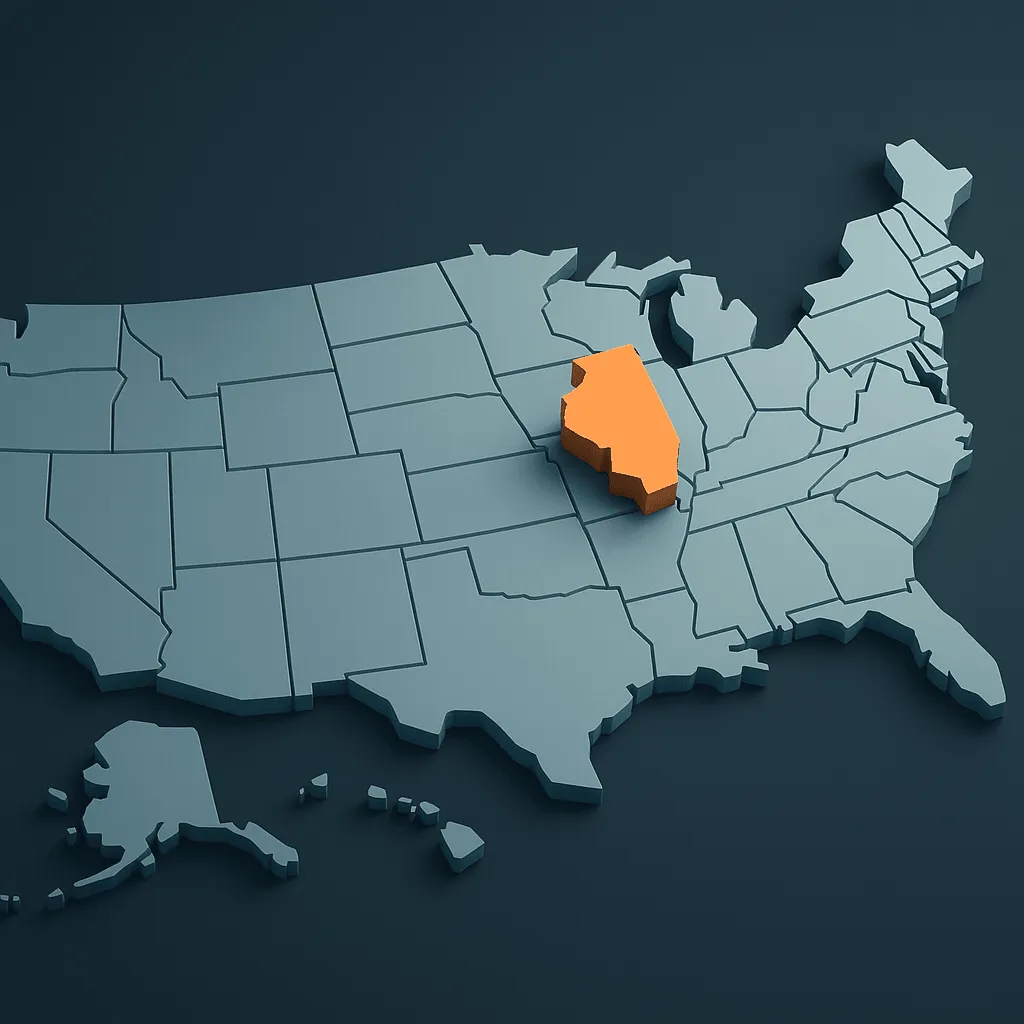
What we know from the available reporting is that Kalshi has filed suit against the state of Illinois over a measure targeting sports-related prediction markets. The Decrypt headline characterizes the measure as a state tax; The Block’s headline references a broader “regulatory regime.” The two are not necessarily contradictory — a bill can create both — but the distinction matters legally. A neutral tax is harder to strike down on preemption grounds than a targeted licensing requirement, because states retain broad taxing authority even over federally regulated activity within their borders. A licensing regime that conditions the exchange’s ability to serve state residents on state approval is a more direct conflict with the CFTC’s exclusive-jurisdiction clause.
The most likely legal theory
Absent the complaint itself, the plausible legal architecture of Kalshi’s challenge is some combination of:
- Statutory preemption under the Commodity Exchange Act. The exclusive-jurisdiction clause is the strongest textual hook, and prior cases have applied it to strike down state-law claims that effectively regulated the trading of CFTC-supervised products.
- Supremacy Clause / conflict preemption. Where a state law makes it impossible or impracticable to comply with federal law, or stands as an obstacle to the accomplishment of federal objectives, the state law yields. Kalshi can argue that Illinois’s regime substitutes a state view of gambling policy for the CFTC’s considered judgment about which contracts serve the public interest.
- Dormant Commerce Clause. A state law that discriminates against or unduly burdens interstate commerce is vulnerable, particularly where the activity is inherently national. A prediction market operating on a federal license and serving users across all fifty states is a plausible fit.
Any of these arguments can be run alongside the others. The complaint may also include First Amendment claims if the Illinois measure sweeps in political or informational event contracts, though that would be more relevant for elections than for sports.
The state’s counterargument
Illinois has real arguments in return. States have historically regulated gambling under the police power, and courts have generally been reluctant to read federal statutes as displacing that authority absent clear text. The state can argue that its measure is not regulating the trading of federally authorized contracts — those trades still clear on Kalshi’s exchange under CFTC rules — but rather imposing a tax or consumer-protection layer on the local economic activity of residents participating in sports-related markets. That framing draws on the long line of cases upholding state taxes on activity that also happens to be federally regulated in other respects.
The state can also argue that the CEA’s exclusive-jurisdiction clause was drafted with commercial hedging in mind, not retail sports contracts, and that reading it to preempt state gambling law converts a jurisdictional provision into a substantive deregulation of an activity states have controlled for a century.
Where the argument comes out likely depends on how the court characterizes the underlying activity. If a sports-outcome binary contract is a “futures contract” or “swap” within the CEA’s coverage, preemption analysis follows a well-trodden path. If it is instead treated as sui generis — a federally supervised gambling product — the analysis is more open.
Scope of any ruling
A single-district decision, whichever way it goes, will not settle the national question. If Illinois loses, other states with similar measures will need to be litigated separately or will settle informally; if Kalshi loses, it can appeal, and appellate rulings would bind more broadly. Meanwhile, the CFTC could preempt the entire fight through rulemaking clarifying its position on sports event contracts, and Congress could preempt the CFTC through legislation. Any of these is more likely to produce a durable outcome than a single district-court ruling.
What This Means for Onchain Venues

The Kalshi litigation is nominally about Kalshi. But the outcome shapes the operating environment for onchain, oracle-settled venues in ways that are not always intuitive.
Scenario one: Kalshi wins on preemption
If courts uphold the CEA preemption theory, the immediate effect is that CFTC-registered venues can operate nationally without state-by-state licensing. That regulatory clarity is a competitive gift to Kalshi and any future DCM-registered event-contract exchange. It is a mixed outcome for Polymarket. On one hand, the ruling itself does not touch onchain venues; Polymarket is not a DCM and cannot benefit from CEA preemption of state law. On the other hand, a federal-preemption ruling that fully legitimizes CFTC-supervised event contracts increases the salience of the question: why is the same activity permissible on Kalshi but happening in an unregulated form on Polymarket? Regulatory clarity for the compliant venue tends to raise enforcement pressure on non-compliant alternatives, not lower it.
Scenario two: States prevail
If Kalshi loses and states can impose their own gambling or licensing regimes, the economics of running a national prediction-market exchange change materially. Each state becomes a separate market with its own tax burden and compliance overhead, and the venues that can absorb that cost are the ones with the strongest brands and deepest capital. This outcome is bad for Kalshi in absolute terms, but it may be worse for Polymarket in relative terms: if compliance is unavoidable and expensive, the marginal user shifts toward the venue that has already paid the cost. Alternatively, the outcome could push volume offshore entirely, in which case the onchain design’s censorship resistance becomes a feature rather than a legal exposure.
Scenario three: The swap classification question
Regardless of how the state fight resolves, there is a distinct federal question hanging over onchain venues that has not yet been squarely tested: whether the instruments traded on Polymarket are “swaps” within the meaning of the Commodity Exchange Act. If they are, then the platform’s operation to U.S. persons without CFTC registration is straightforwardly non-compliant, and the CFTC has both statutory tools and prior enforcement history — Polymarket’s earlier settlement being the most relevant precedent — to act. The question has not been raised aggressively in a public rulemaking because the CFTC has, to date, taken the position that Polymarket does not serve U.S. users. That position is only as durable as the geofencing.
Scenario four: Congressional legislation
The most consequential scenario is one the litigation does not directly produce: a federal statute that explicitly defines prediction markets, allocates regulatory authority, and preempts state law by name. Such a statute could go in any of several directions — a permissive federal framework centered on the CFTC, a restrictive framework that treats sports contracts as gambling within the meaning of federal gaming law, or a hybrid. The polling reference in one of the source URLs suggests that voter preference for federal rules over state patchwork is being cited in public advocacy, but we have not been able to verify the underlying poll and treat any specific figure as unconfirmed.
Commercial Stakes and the Valuation Backdrop
The commercial pressure driving Kalshi’s litigation posture is significant. According to reporting by the Financial Times cited by CoinDesk on June 24, 2026, Kalshi was seeking capital at approximately a $40 billion valuation, up from a prior round at roughly $22 billion. The investor group in the earlier round included Coatue Management, Sequoia Capital, Andreessen Horowitz, and Morgan Stanley. Kalshi’s CEO indicated an IPO was under consideration but not before 2027. Polymarket, per the same reporting, was seeking capital at approximately a $15 billion valuation. All of these figures are drawn from unnamed sources and had not been publicly confirmed as of the reporting date; we cite them as anchored in mid-2026 and provisional.
Valuations at that scale carry two implications for the regulatory fight. First, they raise the stakes of adverse state action in a way that changes Kalshi’s litigation calculus. A per-state licensing regime that would be tolerable for a smaller venue can materially compress margins at a valuation that already assumes national reach and category expansion. Second, they price in growth into product categories beyond sports and elections — financial event contracts, macroeconomic outcomes, corporate events — that require durable federal-primacy footing to be viable. The Illinois suit is, in that sense, not a defensive filing but a strategic one: establishing the preemption principle now is worth more than the specific Illinois tax revenue.
There is a real counterargument to the valuations themselves. The prediction-market total addressable market at current product scope is small relative to what these multiples imply, and the growth thesis depends on categories that the CFTC has historically been cautious about and that overlap with existing regulated venues like the CME. Skepticism about the valuations is not skepticism about the litigation — Kalshi’s legal position may be sound regardless — but it is worth naming that the commercial narrative and the legal narrative are being priced together.
We could not verify from the available excerpts the widely reported figures of Polymarket volume increasing roughly threefold during a World Cup period, or Kalshi setting open-interest records over the same window; both appear in headlines to which we did not have body access. We flag them as directionally consistent with the broader growth story but do not rely on them.
Open Questions and What to Watch
The analytical value of stepping through this now, before the Illinois case has been briefed on the merits, is that most of the interesting questions are still open. A short list of what will actually determine how this plays out:
The Illinois complaint itself. The specific counts, the framing of the challenged measure (tax versus licensing versus both), and the relief requested will tell us how broadly a favorable ruling could sweep. Preemption arguments are only as portable as the statutory theory beneath them.
The CFTC’s posture on onchain venues. The CFTC has enforcement history with Polymarket but has not, in the public record we have reviewed, issued a formal rulemaking on AMM-based or oracle-settled event contracts. Whether it eventually does — and whether it distinguishes between geofenced and non-geofenced onchain venues — will shape the parallel track for permissionless markets.
Oracle failure incidents. The Achilles heel of onchain prediction markets is disputed resolution, and a sufficiently visible failure at Polymarket or a peer would give both the CFTC and state legislators material to work with. Conversely, a clean run through a heavy event cycle strengthens the argument that oracle-settled venues can operate without traditional exchange-style surveillance.
Federal legislative activity. Bills that would explicitly define prediction markets and allocate authority have circulated in draft form before. If the state-by-state pressure intensifies, Congressional action becomes more plausible, and industry preferences will shape whatever emerges.
The information-quality question. Prediction markets are defended in policy debates as producing better probability estimates than polls or expert forecasts. That empirical claim is genuinely contested, and it matters because the “public interest” analysis the CFTC applies to event contracts weighs the informational benefits against harms. A more rigorous body of academic evidence — in either direction — could shift the analytical framing regulators bring to the next contract approval.
The one thing we would not do is treat any of these as pre-determined. The activity has been legally ambiguous long enough that the actors are, understandably, moving before the law catches up. The Illinois case is the first crystallization of that mismatch into a proper legal dispute. It is unlikely to be the last, and the reader looking for a single ruling that settles the category will be waiting a while. What the reader can do is model the branches: the CEA-preemption path, the state-authority path, the CFTC-rulemaking path, the Congressional-legislation path, and the offshore-onchain path. Each has different implications for who wins commercially, who bears risk operationally, and where the next fight opens.
서론
예측 시장은 지난 10여 년의 대부분을 법적 회색지대에서 보냈다. Intrade는 해외로 밀려났다가 결국 문을 닫았다. PredictIt은 CFTC의 노액션 레터(no-action letter) 하에 운영되다가 CFTC 스스로 그 레터를 철회하려 했다. Polymarket은 합의금을 내고 미국 사용자를 지오펜싱으로 차단했지만, 그럼에도 성장을 이어갔다. 이 모든 과정에서 핵심 행위 자체 — 미래 사건에 대한 이진(binary) 클레임을 거래하는 것 — 는 명확히 허용된 적도, 완전히 금지된 적도 없었다. 좁은 영역에서는 묵인되었고, 나머지 영역에서는 도박으로 취급받았다.
그 균형이 지금 흔들리고 있다. Kalshi는 출범 이후 CFTC(상품선물거래위원회) 지정계약시장(Designated Contract Market, DCM)으로 운영해왔으며, 수년간의 법적 다툼 끝에 미국 일반 사용자를 대상으로 선거 계약을 상장할 수 있다는 점을 확립했다. Polymarket은 대규모 온체인 거래소로 성장하며 일반 대중에게 확률 집계 도구로 인식되고 있다. 그리고 일리노이주를 필두로 한 여러 주가 연방 규제 당국의 입장과 무관하게 자체적으로 해당 활동에 과세하거나 면허를 요구하는 방향으로 움직이고 있다. Kalshi는 이에 맞서 해당 주를 상대로 소송을 제기했다.
이 문제가 당사자들을 넘어 중요한 이유는, 현재 소송에서 다투는 두 가지 질문이 동시에 미결 상태로 남아 있을 수 없기 때문이다. 상품거래법(Commodity Exchange Act)상 파생상품에 대한 “독점적 관할권” 조항이 주(州) 수준의 도박 규제 및 면허 체계를 선점(preempt)하는지, 아니면 그렇지 않은지를 반드시 가려야 한다. 선점된다면, 예측 시장은 CFTC가 승인하는 범위 내에서만 제한되는 연방 자산군이 된다. 선점되지 않는다면, 각 주가 자체적으로 과세하거나 금지할 수 있으며, 전국 규모의 이벤트 계약 거래소를 운영하는 경제성은 크게 달라진다. 그 위에 법원이 직접 답하지 않을 이차적 질문이 하나 더 얹혀 있다. 애초에 연방 등록을 신청하지 않은 온체인·오라클 정산 거래소는 어떻게 되는가?
이 글은 실시간 논평이 아닌 구조적·법률적 분석이다. 우리는 이 상품들의 실체, 두 가지 주요 설계 방식의 청산·정산 구조, Kalshi가 CFTC 등록을 추진한 이유, 일리노이주 소장의 가장 유력한 주장, 그리고 각 규제 시나리오가 퍼미션리스(permissionless) 거래소에 시사하는 바를 순서대로 짚는다. 일부 기초 사실 — 일리노이 법안의 구체적 조항, 미공개 펀딩 라운드, 비공개 거래량 — 은 공개 출처에서 부분적으로만 확인되며, 우리는 그 공백을 무마하지 않고 명시적으로 표시한다.
예측 시장의 실체
현재 미국에서 지배적인 형태의 예측 시장은 **이진 이벤트 계약(binary event contract)**을 거래하는 장소다. 각 계약은 명확히 정의된 질문을 참조한다 — “연준이 12월 회의에서 기준금리를 인하할 것인가?”, “팀 A가 경기 B에서 승리할 것인가?”, “특정 월의 CPI가 X%를 초과할 것인가?” — 이 계약은 통상 YES와 NO로 표시되는 두 종류의 지분으로 구성된다. 정산 시 한 쪽은 $1, 다른 쪽은 $0을 지급받는다. 정산 전에는 차익거래에 의해 두 지분의 합이 $1에 근접하게 유지되며, 따라서 YES의 가격은 시장 내재 확률로 기능한다.
이 정의로부터 두 가지 구조적 특성이 도출되며, 이후 분석 전체를 이끈다.
첫째, 수익과 손실이 한정적이고 대칭적이다. 손실이 초기 증거금을 초과할 수 있는 선물 계약과 달리, 이진 이벤트 계약에서 거래자가 예치해야 하는 금액은 지분의 가격뿐이며, 최대 손실은 지불한 가격이고 최대 이익은 $1에서 그 가격을 뺀 금액이다. 이로 인해 증거금 관리와 청산이 비교적 단순해지고, CFTC 규제 상품 대부분과 달리 일반 투자자의 참여를 운영적으로 감당 가능한 수준으로 만든다.
둘째, 정산이 시장 결과가 아닌 외부 사실에 의존한다. 거래소는 선물 계약이 지수에 정산되듯 가격을 “정산”하는 것이 아니라, 실제 세계의 질문에 대한 답을 조회하고 그에 따라 지급한다. 따라서 모든 예측 시장은 오라클 문제를 안고 있다. 그 오라클이 CFTC 등록 거래소의 규정집에 지정된 데이터 제공자든, 분쟁 프로세스를 갖춘 스마트 컨트랙트 리졸버든 마찬가지다. 이는 기술적 주석이 아니다. 이것이야말로 예측 시장을 주식 옵션이나 금리 스왑과 구별 짓는 가장 중요한 비자명한 리스크다.
이 범주는 흔히 “다른 이름의 스포츠 베팅”으로 축소되는데, 그 이의를 진지하게 검토할 필요가 있다. 스포츠 경기 결과에 대한 계약은 일반 사용자 관점에서 머니라인(moneyline) 베팅과 기능적으로 유사하다. 그러나 구조적 차이는 실질적이다. 예측 시장에서는 정산 전에 포지션을 자유롭게 진입·청산할 수 있고, 다른 사람에게 유동성을 제공하며, 집약된 정보를 반영하는 시장 가격과 상호작용할 수 있다. 스포츠북은 자기 장부를 관리하기 위해 주도적 거래상대방으로서 가격을 제시하고 라인을 조정하지만, 예측 시장 거래소는 — 적어도 CLOB 방식의 경우 — 거래자들을 서로 연결하는 매칭 엔진이다. 이 구조적 차이가 법적으로 결정적인 의미를 갖는지가 바로 일리노이 소송이 시험할 내용이다.
시장 미시구조: CLOB vs. AMM
현재 미국 대상 시장에서 지배적인 두 거래소 — Kalshi와 Polymarket — 는 설계 스펙트럼의 양 극단에 위치하며, 그 차이는 리스크와 규제 양면에서 중요하다.
중앙 지정가 주문장
Kalshi는 중앙 지정가 주문장(CLOB, Central Limit Order Book) 방식으로 운영된다. 거래자들은 특정 가격대에 YES 또는 NO 지분의 매수·매도 지정가 주문을 제출하고, 거래소의 매칭 엔진이 호환 가격의 대립 주문을 체결한다. YES와 NO의 합이 $1에 근접해야 하므로, 거래소는 상쇄되는 주문을 순거래로 처리할 수도 있다 — YES를 $0.60에 매수하려는 사용자와 NO를 $0.40에 매수하려는 사용자를 매칭해 결합 프리미엄으로 완전히 담보된 계약 쌍을 사실상 발행하는 방식이다.
이 설계가 전통 거래소 아키텍처로부터 물려받은 특성은 익숙하다. 가격 발견은 이산적이고 투명하다. 호가창 상단에는 최우선 매수·매도호가가 표시되고, 깊이(depth)는 호가 단계별로 확인할 수 있다. 유동성은 스프레드를 포착하면서 재고 리스크를 관리하는 마켓메이커들이 제공한다. 슬리피지는 표시된 깊이 대비 주문 규모의 함수다. 조작 벡터는 거래소 감시가 잡아내도록 설계된 것들 — 스푸핑, 레이어링, 자전거래, 그리고 알려진 정산 이벤트 직전의 협조적 포지션 변동 — 이다.
마지막 항목이 예측 시장 특유의 실질적 실패 모드다. 정산이 이산적인 외부 이벤트이기 때문에, 정산 결과에 대한 내부 정보를 보유하거나 결과에 영향을 미칠 수 있는 거래자는 연속적으로 가격이 형성되는 자산에서와는 질적으로 다른 우위를 갖는다. 거래소 감시는 비정상적인 거래 패턴을 포착할 수 있지만, 뉴스가 공개되기 전에 내부자가 포지션을 취하는 것을 막을 수는 없다. 이는 예측 시장이라는 자산군의 구조적 한계이며, 어떤 규제 당국도 시장 무결성에 대해 약속할 수 있는 것을 제약한다.
자동화 마켓메이커와 하이브리드 설계
Polymarket은 역사적으로 자동화 마켓메이커(AMM) 모델을 사용해왔다. 유동성 공급자들이 풀에 담보를 예치하고, 본딩 커브(bonding curve)가 YES와 NO 토큰의 가격을 결정한다. 거래는 대립 주문이 아닌 풀을 상대로 체결되며, 재고가 이동함에 따라 커브를 따라 가격이 움직인다. 시간이 지나면서 Polymarket은 풀 기반 유동성과 함께 주문장 방식의 매칭을 결합한 하이브리드 설계로 전환했지만, AMM의 유산이 여전히 리스크 프로파일을 형성하고 있다.
AMM의 가장 유용한 특성은 시장 초기에 활성화된 마켓메이커가 없는 상황에서도 지속적인 호가를 제공한다는 점이다. 가장 명확한 단점은 유동성 공급자들이 모든 거래의 반대 편을 수동적으로 부담하면서 시장이 자신에게 불리하게 움직일수록 손실 쪽 결과의 재고를 누적한다는 것이다 — 예측 시장판 비영구적 손실(impermanent loss)이지만, 정산 시 패배 쪽이 수렴하는 것이 아니라 완전히 소각된다는 점이 다르다. 확률이 낮거나 급격히 정산되는 시장에서 AMM의 유동성 공급자는 정보성 주문 흐름이 나타날 때 호가를 철회할 수 있는 CLOB의 마켓메이커보다 훨씬 불리한 결과를 맞이할 수 있다.
조작 벡터도 다르다. AMM에서는 대규모 매수 주문이 커브를 따라 결정론적으로 가격을 움직이므로, 내재 확률을 끌어올리는 비용이 사전에 계산 가능하다. 얇은 CLOB에서는 비용이 각 호가 단계에 실제로 제출된 깊이에 따라 달라지는데, 이는 철회될 수 있다. 어느 설계도 조작에 면역이 있지 않다. 단지 조작 방식이 다를 뿐이다.
오라클 리스크와 정산
두 설계 사이의 가장 명확한 구조적 차이는 매칭 엔진이 아니라 오라클에 있다. Kalshi의 경우, 정산 출처는 CFTC에 제출된 계약 규정집에 명시되어 있다. 정산 출처가 이용 불가하거나 모호해지면 거래소는 규정집에 정의된 절차를 따르며, 분쟁은 행정적으로 해결된다.
Polymarket은 **UMA 옵티미스틱 오라클(optimistic oracle)**을 통해 정산한다. 단순화하면, 제안자가 결과를 제출하고, 누구든 반대 보증금을 게시해 이의를 제기할 수 있는 보증금 기간이 경과한 후, 이의가 제기된 결과는 UMA 토큰 보유자의 투표로 결정된다. 이 설계는 단일 신뢰 당사자에 대한 의존을 최소화한다는 점에서 우아하지만, 별개의 실패 모드를 도입한다. 거버넌스 토큰의 집중, 이해 당사자에 비해 불충분한 분쟁 보증금, 혹은 진정으로 모호한 실세계 질문이 합리적인 관찰자들이 잘못되었다고 여기는 결과를 낳을 수 있다. 과거 Polymarket의 정산을 둘러싼 공개 분쟁 중에는 이러한 설명 각각에 부합하는 사례가 있었다.
요점은 어느 설계가 더 안전하다는 것이 아니다. CFTC 등록 거래소와 온체인 거래소는 사용자를 범주적으로 다른 정산 리스크에 노출시키며, 이 둘을 대체 가능한 것으로 취급하는 규제 체계는 본질을 놓치고 있다는 것이다.
CFTC 아키텍처: Kalshi가 여기까지 온 과정
Kalshi의 핵심 전략적 베팅은 상품거래법상 지정계약시장(DCM) 지위를 획득하는 것이 미국 일반 사용자에게 이벤트 계약을 제공하는 지속 가능한 경로라는 판단이었다. 그 지위가 부여하는 것과 부여하지 않는 것을 이해하는 것이 일리노이 소송을 제대로 읽는 데 필수적이다.
DCM은 일반 소비자를 포함한 모든 적격 참가자를 대상으로 계약을 상장할 수 있도록 CFTC의 인가를 받은 거래소다. 이 지위는 상당한 의무를 수반한다. 각 상품을 아우르는 승인된 규정집, 시장 감시 시스템, 재무 건전성 요건, 해당 시 포지션 한도, 그리고 CFTC의 정기적 검사가 포함된다. 그 대가로 DCM 지위는 거래소를 연방 파생상품 규제 경계 안에 명확히 위치시키며, CFTC가 주요 규제 당국이 된다.
이벤트 계약의 경우 CFTC는 추가적인 검토 권한을 갖는다. 상품거래법 제5c(c)(5)(C)조는 위원회가 도박을 포함한 특정 열거 활동과 관련되거나 공익에 반한다고 판단하는 이벤트 계약을 금지할 수 있도록 허용한다. 이 “공익” 심사가 CFTC가 Kalshi의 초기 의회 선거 결과 계약 상장 시도를 저지하는 데 활용한 메커니즘이다. Kalshi는 이 싸움을 법정으로 가져갔고, 일련의 판결과 번복 끝에 선거 계약을 상장할 수 있다는 점을 확립했다. 이로써 형성된 판례는 이벤트 계약에 대한 전면적인 승인보다는 좁은 의미를 갖지만, 공익을 이유로 계약을 차단하는 CFTC의 권한이 무제한적이지 않으며 사법 심사의 대상임을 확립했다.
연방 등록이 법적 고리가 되는 이유
DCM 지위가 주 차원의 싸움에서 중요한 이유는 상품거래법이 유독 강력한 선점 조항을 담고 있기 때문이다. 제2(a)(1)조는 CFTC에 DCM에서 거래되는 선물 계약, 선물 옵션, 스왑과 관련된 계좌, 협약, 거래에 대한 “독점적 관할권”을 부여한다. 법원들은 이 조항이 CFTC 규제 상품의 거래를 직접 규율하려는 주법을 광범위하게 선점하는 것으로 해석해왔다. 일반적으로 적용되는 주법 — 소비자 보호, 사기 방지, 거래 행위 자체를 겨냥하지 않는 세법 — 은 대체로 유효하지만, 연방 승인 계약의 거래를 사실상 금지하거나 조건화할 주법은 일반적으로 효력이 없다.
Kalshi가 일리노이주를 상대로 제기하는 것으로 보이는 이론 — 소장의 정확한 문언은 우리가 입수할 수 없었다 — 은, 스포츠 관련 이벤트 계약에 특별히 과세하거나 면허를 요구하는 주법이 연방 승인 상품의 거래를 직접 규제하는 것이므로 선점된 영역에 해당한다는 것이다. 거래소가 CFTC에 등록되어 있고 계약이 CFTC 승인을 받았다면, 주(州)는 독점적 관할권 조항에 저촉되지 않고서는 자체 도박 면허 체계를 추가로 부과할 수 없다.
이것이 이론이다. 그 강도는 공개 기록이 아직 완전히 드러내지 않은 세부 사항에 달려 있다. 일리노이 법안이 거래소에 대한 과세, 사용자에 대한 과세, 면허 요건, 혹은 어떤 혼합 형태로 구성되어 있는지에 따라 각기 다른 선점 판례가 적용된다.
일리노이 소송과 선점 논거
이용 가능한 보도에서 확인할 수 있는 것은, Kalshi가 스포츠 관련 예측 시장을 겨냥한 조치를 두고 일리노이주를 상대로 소송을 제기했다는 사실이다. Decrypt의 헤드라인은 해당 조치를 주(州) 세금으로 규정하고, The Block의 헤드라인은 보다 광범위한 “규제 체계”를 언급한다. 이 둘이 반드시 모순되는 것은 아니다 — 하나의 법안이 둘 다를 포함할 수 있다 — 하지만 법적으로는 중요한 차이가 있다. 중립적인 세금은 선점 논거로 무효화하기가 더 어렵다. 주(州)는 연방 규제 대상 활동에 대해서도 광범위한 과세 권한을 보유하기 때문이다. 반면 거래소가 주(州) 사용자를 서비스하는 것을 주 승인에 조건화하는 면허 요건은 CFTC의 독점적 관할권 조항과 더 직접적으로 충돌한다.
가장 유력한 법리
소장 자체가 없는 상황에서, Kalshi의 소송이 취할 가능성이 높은 법적 구조는 다음 논거들의 조합이다.
- 상품거래법에 의한 법정 선점(statutory preemption). 독점적 관할권 조항은 가장 강력한 문언적 근거이며, 선행 판례들은 이를 적용해 CFTC 감독 상품의 거래를 사실상 규율하는 주법 청구를 기각해왔다.
- 최고법 조항(Supremacy Clause) / 충돌에 의한 선점(conflict preemption). 주법이 연방법 준수를 불가능하거나 실행 불가능하게 만들거나, 연방 목적의 달성을 방해하는 경우 주법은 양보해야 한다. Kalshi는 일리노이의 체계가 어떤 계약이 공익에 부합하는지에 대한 CFTC의 신중한 판단을 주의 도박 정책관으로 대체한다고 주장할 수 있다.
- 묵시적 통상 조항(Dormant Commerce Clause). 주간 통상을 차별하거나 과도하게 부담을 지우는 주법은 위법하며, 특히 해당 활동이 본질적으로 전국적 성격을 가질 때 그렇다. 연방 면허를 보유하고 50개 전 주의 사용자를 대상으로 운영되는 예측 시장은 이 논거에 적합한 사례다.
이 논거들은 함께 제기될 수 있다. 일리노이 법안이 정치적 또는 정보적 이벤트 계약까지 포함한다면 소장에 수정헌법 제1조 주장이 포함될 수도 있지만, 이는 스포츠보다는 선거 계약에 더 적합할 것이다.
주(州)의 반론
일리노이도 반박 논거를 갖고 있다. 주(州)는 역사적으로 경찰권(police power)에 근거해 도박을 규제해왔으며, 법원들은 명확한 문언이 없는 한 연방 법령이 그 권한을 대체한다고 해석하는 데 일반적으로 신중했다. 주는 자신의 조치가 연방 승인 계약의 거래를 규율하는 것이 아니라고 주장할 수 있다 — 거래들은 여전히 CFTC 규정에 따라 Kalshi의 거래소에서 체결된다 — 다만 스포츠 관련 시장에 참여하는 주민의 지역 경제 활동에 세금이나 소비자 보호 층위를 추가하는 것뿐이라고 말이다. 이 논리는 연방 규제 대상 활동에 주(州) 세금을 부과하는 것을 지지하는 오랜 판례를 원용한다.
주는 또한 CEA의 독점적 관할권 조항이 상업적 헤지(hedging)를 염두에 두고 작성된 것이지, 일반 소비자 대상 스포츠 계약을 위한 것이 아니라고 주장할 수 있다. 이 조항을 도박 규제에 대한 주(州)의 선점으로 읽으면, 관할 조항이 100년 넘게 주(州)가 통제해온 활동의 실질적 규제 철폐로 전환된다는 것이다.
논쟁의 귀결은 법원이 기초 활동을 어떻게 성격 규정하느냐에 달려 있다. 스포츠 결과 이진 계약이 CEA 적용 범위 내의 “선물 계약” 또는 “스왑”으로 인정되면, 선점 분석은 잘 정립된 경로를 따른다. 반면 연방 감독을 받는 도박 상품으로서 고유한(sui generis) 성격을 갖는 것으로 취급되면, 분석은 더 열려 있다.
판결의 파급 범위
어느 쪽으로 나오든, 단일 지방법원의 판결이 전국적 쟁점을 해결하지는 않는다. 일리노이주가 패소하면 유사한 조치를 가진 다른 주들은 개별적으로 소송을 진행하거나 비공식적으로 합의해야 한다. Kalshi가 패소하면 항소할 수 있으며, 항소심 판결은 더 넓은 구속력을 갖는다. 한편 CFTC는 스포츠 이벤트 계약에 대한 입장을 명확히 하는 규칙 제정을 통해 싸움 전체를 선점할 수 있고, 의회는 입법을 통해 CFTC를 선점할 수 있다. 이 중 어느 하나도 단일 지방법원 판결보다 지속 가능한 결과를 낳을 가능성이 높다.
온체인 거래소에 대한 함의
Kalshi 소송은 명목상 Kalshi에 관한 것이다. 하지만 그 결과는 온체인·오라클 정산 거래소의 운영 환경을 항상 직관적이지 않은 방식으로 형성한다.
시나리오 1: Kalshi의 선점 논거 승소
법원이 CEA 선점 이론을 인정하면, 즉각적인 효과는 CFTC 등록 거래소가 주별 면허 없이 전국적으로 운영할 수 있게 되는 것이다. 이 규제 명확성은 Kalshi와 미래의 모든 DCM 등록 이벤트 계약 거래소에 경쟁적 선물이다. Polymarket에게는 복합적인 결과다. 한편으로 판결 자체는 온체인 거래소를 직접 건드리지 않으며, Polymarket은 DCM이 아니므로 주법에 대한 CEA 선점의 혜택을 받을 수 없다. 다른 한편으로, CFTC 감독 이벤트 계약을 완전히 정당화하는 연방 선점 판결은 불가피하게 이런 질문의 현저성을 높인다. 왜 동일한 활동이 Kalshi에서는 허용되면서 Polymarket에서는 규제 없이 이루어지는가? 규제 준수 거래소에 대한 규제 명확성은 비준수 대안에 대한 집행 압력을 높이는 경향이 있지, 낮추지 않는다.
시나리오 2: 주(州)의 승소
Kalshi가 패소해 주(州)들이 자체 도박 또는 면허 체계를 부과할 수 있게 된다면, 전국 규모의 예측 시장 거래소를 운영하는 경제성은 크게 달라진다. 각 주가 별도의 세금 부담과 준법 비용을 가진 독립 시장이 되며, 그 비용을 감당할 수 있는 곳은 가장 강한 브랜드와 가장 깊은 자본을 가진 거래소다. 이 결과는 Kalshi에게 절대적으로 불리하지만, 상대적으로는 Polymarket에 더 불리할 수 있다. 준법이 불가피하고 비용이 크다면, 이미 그 비용을 지불한 거래소 쪽으로 한계 사용자가 이동하기 때문이다. 대안적으로, 이 결과가 거래량을 완전히 오프쇼어로 밀어낼 수도 있으며, 그 경우 온체인 설계의 검열 저항성은 법적 취약점이 아닌 특성이 된다.
시나리오 3: 스왑 분류 문제
주(州) 싸움이 어떻게 해결되든, 온체인 거래소 위에 아직 정면으로 테스트되지 않은 별도의 연방 질문이 걸려 있다. Polymarket에서 거래되는 상품이 상품거래법상 “스왑”에 해당하는지 여부다. 해당된다면, 플랫폼이 CFTC 등록 없이 미국 사용자를 대상으로 운영하는 것은 명백한 위반이며, CFTC는 법정 수단과 Polymarket의 초기 합의라는 가장 직접적인 전례를 활용해 조치를 취할 수 있다. 이 문제가 공개 규칙 제정에서 적극적으로 제기되지 않은 것은 CFTC가 Polymarket이 미국 사용자를 서비스하지 않는다는 입장을 유지해왔기 때문이다. 그 입장은 지오펜싱이 유지되는 한에서만 지속 가능하다.
시나리오 4: 의회 입법
소송이 직접 만들어내지 않는 가장 중대한 시나리오는 연방 법령이다. 예측 시장을 명시적으로 정의하고, 규제 권한을 배분하며, 주법을 명시적으로 선점하는 연방 법령이 제정될 수 있다. 그러한 법령은 여러 방향으로 나아갈 수 있다 — CFTC 중심의 허용적 연방 체계, 스포츠 계약을 연방 도박법상 도박으로 취급하는 제한적 체계, 혹은 혼합 형태. 출처 URL 중 하나에서 언급된 여론조사 관련 내용은 주별 혼재 규제보다 연방 규칙에 대한 유권자 선호가 공개 옹호 활동에서 인용되고 있음을 시사하지만, 우리는 기초 조사를 검증할 수 없어 구체적 수치를 미확인으로 처리한다.
상업적 이해관계와 밸류에이션 배경
Kalshi의 소송 입장을 추동하는 상업적 압박은 상당하다. 2026년 6월 24일 CoinDesk가 인용한 파이낸셜타임스(Financial Times) 보도에 따르면, Kalshi는 약 $400억 밸류에이션으로 자본 조달을 추진하고 있었다. 이는 이전 라운드의 약 $220억에서 상승한 수치다. 이전 라운드의 투자자에는 Coatue Management, Sequoia Capital, Andreessen Horowitz, Morgan Stanley가 포함되었다. Kalshi CEO는 IPO를 검토하고 있지만 2027년 이전은 아니라고 밝혔다. 같은 보도에 따르면 Polymarket은 약 $150억 밸류에이션으로 자본 조달을 추진하고 있었다. 이 모든 수치는 익명의 출처에서 나온 것이며, 보도 시점 기준으로 공개적으로 확인되지 않았다. 우리는 이를 2026년 중반 기준의 잠정적 수치로 인용한다.
이 수준의 밸류에이션은 규제 싸움에 두 가지 함의를 갖는다. 첫째, 주(州)의 불리한 조치가 가져올 리스크를 Kalshi의 소송 계산에서 질적으로 달라지게 할 만큼 높인다. 소규모 거래소에게는 감당 가능한 주별 면허 체계가, 전국적 범위와 사업 확장을 이미 가정한 밸류에이션에서는 마진을 실질적으로 압박할 수 있다. 둘째, 이 수치들은 스포츠와 선거를 넘어선 — 금융 이벤트 계약, 거시경제 결과, 기업 이벤트 — 상품 카테고리 확장의 성장 논리를 가격에 반영하며, 이는 지속적인 연방 우선권 기반 없이는 실현 가능하지 않다. 이런 의미에서 일리노이 소송은 방어적 제소가 아니라 전략적 제소다. 지금 선점 원칙을 확립하는 것이 특정 일리노이 세수보다 훨씬 가치 있다.
밸류에이션 자체에 대한 실질적인 반론도 있다. 현재 상품 범위에서 예측 시장의 총 잠재 시장(TAM)은 이 배수가 시사하는 것보다 작으며, 성장 논리는 CFTC가 역사적으로 신중하게 접근해왔고 CME 같은 기존 규제 거래소와 겹치는 카테고리에 의존한다. 밸류에이션에 대한 회의론이 소송에 대한 회의론을 의미하지는 않는다 — Kalshi의 법적 입장은 그와 무관하게 타당할 수 있다 — 하지만 상업적 내러티브와 법적 내러티브가 함께 가격에 반영되고 있음을 명시할 필요가 있다.
이용 가능한 발췌문에서 우리는 World Cup 기간 중 Polymarket 거래량이 약 3배 증가했다거나, 같은 기간 Kalshi가 미결제약정(open interest) 기록을 세웠다는 광범위하게 보도된 수치를 검증할 수 없었다. 두 가지 모두 본문에 접근하지 못한 헤드라인에 등장하며, 전반적인 성장 스토리와 방향적으로 일치하지만 이에 의존하지는 않는다.
열린 질문과 주목할 사항
일리노이 사건이 본안 심리에 들어가기 전인 지금, 이 문제를 단계적으로 분석하는 것의 가치는 흥미로운 질문들이 아직 열려 있다는 데 있다. 실제로 결과를 결정할 사항들을 간략히 정리하면 다음과 같다.
일리노이 소장 자체. 구체적인 소인(count), 문제 조치의 성격 규정 방식(세금인지, 면허 요건인지, 둘 다인지), 그리고 청구하는 구제 수단이 유리한 판결이 얼마나 광범위하게 파급될 수 있는지를 알려줄 것이다. 선점 논거는 그 아래에 있는 법정 이론만큼만 이식 가능하다.
온체인 거래소에 대한 CFTC의 입장. CFTC는 Polymarket과의 집행 전례가 있지만, 우리가 검토한 공개 기록에서 AMM 기반 또는 오라클 정산 이벤트 계약에 대한 공식 규칙 제정을 발표한 바 없다. 결국 그것을 발표하는지, 그리고 지오펜싱 된 거래소와 그렇지 않은 온체인 거래소를 구분하는지가 퍼미션리스 시장의 병행 경로를 형성할 것이다.
오라클 실패 사례. 온체인 예측 시장의 아킬레스건은 분쟁적인 정산이며, Polymarket이나 유사 거래소에서 충분히 가시적인 실패가 발생하면 CFTC와 주(州) 입법자 모두에게 활용할 소재를 제공한다. 반대로, 대규모 이벤트 사이클을 깔끔하게 통과하면 오라클 정산 거래소가 전통적인 거래소 감시 없이도 운영될 수 있다는 논거를 강화한다.
연방 입법 활동. 예측 시장을 명시적으로 정의하고 권한을 배분하는 법안이 이전에도 초안 형태로 유통된 적 있다. 주별 압박이 심화된다면 의회의 행동이 더 현실적이 되고, 업계 선호가 결과를 형성할 것이다.
정보 품질 문제. 예측 시장은 여론조사나 전문가 예측보다 더 나은 확률 추정치를 제공한다는 이유로 정책 논쟁에서 옹호된다. 그 경험적 주장은 진정으로 논쟁적이며, CFTC가 이벤트 계약에 적용하는 “공익” 분석이 정보적 편익과 피해를 비교 형량하기 때문에 중요하다. 어느 방향으로든 더 엄격한 학술적 증거 체계가 규제 당국이 다음 계약 승인에 적용하는 분석 틀을 바꿀 수 있다.
우리가 하지 않을 한 가지는 이 중 어느 것도 예정된 것으로 취급하는 것이다. 이 활동은 법이 따라잡기에 충분할 만큼 오랫동안 법적으로 모호했고, 그 결과 행위자들은 이해할 만하게 법이 따라잡기 전에 움직이고 있다. 일리노이 사건은 그 불일치가 적절한 법적 분쟁으로 처음 결정화된 사례다. 마지막이 되지는 않을 것이며, 모든 것을 해결하는 단일 판결을 기다리는 독자는 한동안 기다려야 할 것이다. 독자가 할 수 있는 것은 분기점을 모델링하는 것이다. CEA 선점 경로, 주(州) 권한 경로, CFTC 규칙 제정 경로, 의회 입법 경로, 그리고 오프쇼어 온체인 경로. 각각은 누가 상업적으로 승리하는지, 누가 운영적으로 리스크를 부담하는지, 그리고 다음 싸움이 어디서 열리는지에 대해 다른 함의를 갖는다.
はじめに
予測市場は過去10年の大半を、法的なグレーゾーンの中で過ごしてきた。Intradeは国外に追い出された末に閉鎖され、PredictItはCFTCのノーアクションレターの下で運営していたが、当の規制当局が後にそれを撤回しようとした。Polymarketは和解金を支払い、米国ユーザーをジオフェンスで遮断しながらも成長を続けた。こうした経緯を通じて、将来の出来事に関するバイナリークレームを取引するという根本的な行為は、明確に認可されることも、明確に禁止されることもなかった。狭い範囲では黙認され、それ以外の場では賭博として扱われてきたのだ。
その均衡が崩れつつある。Kalshiは設立当初から商品先物取引委員会(CFTC)の指定契約市場(DCM)として運営されており、数年にわたる法廷闘争の末、米国の一般ユーザー向けに選挙関連の契約を上場できることを確立した。Polymarketは、一般ユーザーが確率集計ツールとして利用する大規模なオンチェーン取引所へと成長した。そしてイリノイ州を先頭に、各州が連邦規制当局の見解とは無関係に、自州内でのこの活動に課税したりライセンスを要求したりする動きを見せている。これに対しKalshiは当該州を提訴した。
直接の当事者を超えてこの問題が重要な理由は、現在争われている二つの問いが同時に開かれたままではいられないからだ。デリバティブに対する商品取引所法(CEA)の「排他的管轄権」の文言が、州レベルのギャンブル規制やライセンス制度を優先排除するのか、しないのか——どちらかだ。優先排除するならば、予測市場はCFTCが承認する範囲においてのみその展開が制約される連邦資産クラスとなる。優先排除しないならば、各州が独自の課税や規制を課すことができ、全国規模でイベント契約取引所を運営する際の経済性は大きく変わる。そしてその上には、裁判所が直接答えることのない二次的な問いが覆いかぶさっている——連邦登録をそもそも求めなかった、オンチェーンかつオラクル決済型の取引所はどうなるのか?
本稿は逐次解説ではなく、構造的・法的な分析である。これらの金融商品の実態、二つの主要設計における清算・決済の仕組み、KalshiがCFTC登録を選んだ理由、イリノイ州訴状が最も合理的に主張していると考えられる内容、そして規制の各分岐がパーミッションレス型取引所に対して何を意味するか——これらを順に検討する。いくつかの基礎的事実(イリノイ州法案の具体的条項、未公表の資金調達ラウンド、非公開の取引高)については公開情報による裏付けが部分的にとどまるため、そのギャップはごまかさずに明示する。
予測市場の実態
現在の米国で主流となっている形の予測市場とは、バイナリーイベント契約を取引する場だ。各契約は明確に定義された問いを参照する——「FRBは12月の会合で政策金利を引き下げるか?」「チームAはマッチBに勝つか?」「特定月のCPIはX%を超えるか?」——そして通常YESとNOとラベルされた二種類のシェアが存在する。決済時、一方のシェアは1ドル、他方は0ドルで払い出される。決済前には裁定取引によって二つのシェアの合計が1ドルに近くなるため、YESの価格は市場が示す確率として機能する。
この定義から二つの構造的特性が導かれ、それが以降の分析全体を規定する。
第一に、ペイアウトは上限があり対称的だ。損失が当初証拠金を超えうる先物契約と異なり、バイナリーイベント契約のトレーダーが拠出するのはシェアの価格のみであり、最大損失は支払った価格、最大利益は1ドルからその価格を引いた額だ。このため証拠金管理と清算が比較的シンプルになり、CFTCが規制する大半の商品とは異なり、小口ユーザーの参加が実務上も扱いやすい。
第二に、決済は市場の結果ではなく、外部の事実に基づく。取引所は先物契約が指数に決済される意味での「清算」を行うのではなく、現実世界の問いに対する答えを参照して支払いを行う。したがってあらゆる予測市場にはオラクル問題がある。それがCFTC登録取引所のルールブックに定める指定データプロバイダーであれ、異議申し立てプロセスを持つスマートコントラクト型リゾルバーであれ同様だ。これは技術的な補足事項ではない。これらの市場を株式オプションや金利スワップと区別する、最も重要かつ自明でないリスクだ。
この分野はしばしば「名前を変えたスポーツ賭博」と一括りにされるが、その批判は真剣に受け止める価値がある。スポーツの試合結果に関する契約は、一般ユーザーの視点から見れば、モノラインベットと機能的に似ている。しかし構造的な違いは実在する——予測市場では、ユーザーは決済前にポジションを売買でき、他者に流動性を提供でき、集約された情報を反映した市場価格と対話できる。スポーツブックは主たるカウンターパーティとして価格を提示し、自社のブックを管理するためにラインを調整する。一方、予測市場取引所は(少なくともCLOBの場合)トレーダー同士をつなぐマッチングエンジンだ。この構造的差異が法的に決定的かどうか——それがまさにイリノイ州の訴訟で試されることだ。
市場の微細構造:CLOBとAMM
現在の米国向け市場における二大取引所——KalshiとPolymarket——は設計のスペクトルの両端に位置しており、その違いはリスクと規制の双方にとって重要だ。
中央集権型指値注文板
Kalshiは**中央集権型指値注文板(CLOB)**として運営されている。トレーダーは特定の価格でYESまたはNOシェアを売買する指値注文を提示し、取引所のマッチングエンジンが対応する注文を互換性のある価格でクロスさせる。YESとNOの合計がほぼ1ドルでなければならないため、取引所はオフセット注文を相殺することもできる——YESを0.60ドルで買いたいユーザーとNOを0.40ドルで買いたいユーザーをマッチングし、合算されたプレミアムから完全に担保されたペアを実質的に発行する形だ。
この設計が伝統的な取引所アーキテクチャから受け継ぐ特性はよく知られている。価格発見は離散的かつ透明で、板の最上位に最良の買い・売り気配が表示され、気配板の深さが可視化される。流動性はマーケットメーカーによって提供され、彼らの収益性はスプレッドの獲得とインベントリーリスクの管理に依存する。スリッページは、表示された深さに対する注文サイズの関数だ。操作リスクは、取引所のサーベイランスが検知を想定するもの——スプーフィング、レイヤリング、自作自演の取引、既知の決済イベント直前の協調的な動き——だ。
最後の操作リスクが、予測市場特有の重大な失敗モードだ。決済が離散的な外部イベントであるため、決済に関する非公開情報を持つトレーダー、あるいはそれに影響を与えうるトレーダーは、継続的に価格付けされる資産のトレーダーとは全く異なるエッジを持つ。取引所のサーベイランスは異常な取引パターンを検知できるが、インサイダーが情報が公開される前にポジションを取るのを防ぐことはできない。これは予測市場という資産クラスの構造的限界であり、いかなる規制当局も市場の健全性について約束できる範囲を制約する。
自動マーケットメーカーとハイブリッド設計
Polymarketは歴史的に**自動マーケットメーカー(AMM)**モデルを採用してきた。流動性プロバイダーがプールに担保を預け、ボンディングカーブがYESとNOトークンの価格を決定する。取引は対当する注文ではなくプールに対して執行され、インベントリーが変動するにつれてカーブに沿って価格が動く。時間の経過とともにPolymarketは、プールベースの流動性と並行して注文板に近いマッチングを組み込んだハイブリッド設計に移行してきたが、AMMの特性はいまもリスクプロファイルに影響している。
AMMの市場黎明期における最大の利点は、アクティブなマーケットメーカーが不在でも継続的な気配を提供できることだ。最も明白な欠点は、流動性プロバイダーがすべての取引の反対側を受動的に取ることになり、市場が逆行するにつれて負け側のアウトカムのインベントリーを積み上げてしまうことだ——いわば予測市場版のインパーマネントロスだが、決済によって負け側が完全に消滅するという点で、収束して戻ってくるCLOBとは異なる。低確率の市場や結果が急激に収束する市場では、AMM流動性プロバイダーは、インフォームドフローが出現した際に気配を引き上げられるCLOBのマーケットメーカーより大幅に不利な立場に置かれうる。
操作のベクターも異なる。AMMでは大口の買い注文がカーブに沿って確定的に価格を動かすため、示唆される確率を押し上げるコストが事前に計算できる。薄いCLOBでは、コストは各価格レベルに実際に提示されている深さに依存し、それは引き上げることができる。どちらの設計も操作が不可能というわけではない——操作の仕方が違うのだ。
オラクルリスクと決済
二つの設計の間で最も明確な構造的相違は、マッチングエンジンではなくオラクルだ。Kalshiでは、決済ソースがCFTCに提出された契約ルールブックに明記されている。決済ソースが利用不能になったり曖昧になったりした場合、取引所はルールブックに定められた手順に従い、異議は行政的に解決される。
PolymarketはUMAオプティミスティックオラクルを通じて決済する。簡略化すると、提案者がアウトカムを提出し、ボンド期間中は誰でもカウンターボンドを張って提案を異議申し立てでき、異議のあるアウトカムはUMAトークン保有者の投票によって解決される。この設計は、特定の信頼できる主体への依存を最小化するという点で洗練されているが、独自の失敗モードをはらんでいる——ガバナンストークンの集中、争われる価値に対して不十分な異議申し立てボンド、あるいは合理的な観察者が誤りと見なすアウトカムを生む真に曖昧な現実世界の問い——これらはすべて問題を引き起こしうる。過去にはPolymarketの決済をめぐって、これらのケースそれぞれに当てはまる公開の争議が存在している。
要点は、どちらの設計が安全かということではない。CFTC登録の取引所とオンチェーン取引所では、ユーザーがさらされる決済リスクが本質的に異なるということだ。そしてこれらを同質のものとして扱う規制フレームワークは、実質を見誤っている。
CFTCのアーキテクチャ:Kalshiはいかにして今日に至ったか
Kalshiの中心的な戦略的賭けは、商品取引所法(CEA)のもとで**指定契約市場(DCM)**となることが、米国の一般ユーザー向けにイベント契約を提供するための恒久的な道だというものだ。その指定が何を与え、何を与えないかを理解することは、イリノイ州の訴訟を正しく読む上で不可欠だ。
DCMはCFTC規制下の取引所であり、一般投資家を含むすべての適格参加者が取引できる契約を上場することを認められている。この指定には相当の義務が伴う——各商品を対象とする承認済みルールブック、市場サーベイランスシステム、財務要件、適用される場合のポジション制限、CFTCによる定期的な審査。その代わりに、DCMステータスは取引所をCFTCを主たる規制当局とする連邦デリバティブ規制の範囲内に明確に位置づける。
イベント契約については特に、CFTCは追加の審査権限を持つ。商品取引所法第5c条(c)(5)(C)項は、委員会が特定の列挙された活動(ギャンブルを含む)に関わるイベント契約、または公益に反すると判断されるイベント契約を禁止することを認めている。この「公益」審査が、KalshiによるCFTC議員選挙結果の契約上場の初期の試みをCFTCが阻止するために用いたメカニズムだ。Kalshiはこの争いを訴訟で争い、一連の判決と覆しを経て、選挙関連の契約を上場できることを確立した。生まれた判例はイベント契約全般に対する包括的なお墨付きよりも狭いものだが、公益を理由にした契約の阻止に関するCFTCの権限が無制限ではなく、司法審査に服するということは確立した。
連邦登録が法的な拠り所となる理由
DCMステータスが州レベルの争いにとって重要な理由は、商品取引所法が異例に強力な優先排除条項を含んでいるからだ。第2条(a)(1)項は、DCMで取引される先物契約、先物オプション、スワップに関わるアカウント、契約、取引に対してCFTCに「排他的管轄権」を付与している。裁判所はこの文言を、CFTC規制の金融商品の取引を直接規制しようとする州法を広く排除するものとして解釈してきた。一般的に適用される州法——消費者保護、詐欺防止、取引所の活動自体を対象としない税法——は概して生き残る。連邦承認済み契約の取引を実質的に禁止したり条件を付けたりする州法は概して生き残らない。
Kalshiがイリノイ州に対して展開しているとみられる理論——提訴した訴状の正確な文言は我々が入手できるソースには含まれていない——は、スポーツ関連のイベント契約を特定の対象として課税またはライセンスを課す州法は、連邦が承認した金融商品の取引を直接規制するものであり、したがって排除される領域に該当するというものだ。取引所がCFTC登録を受け、契約がCFTCに承認されているならば、州はその上に独自のギャンブルライセンス制度を重ねることを排他的管轄権条項にぶつけずにはいられない。
以上が理論だ。その強さは、公開記録がまだ完全には明らかにしていない詳細——イリノイ州の措置が取引所への課税、ユーザーへの課税、ライセンス要件、あるいはそのハイブリッドとしてどのように構成されているか——に依存する。それぞれの枠組みには異なる先例法が背後にある。
イリノイ州の挑戦と優先排除の論理
利用可能な報道から判明していることは、Kalshiがスポーツ関連の予測市場を対象とした措置をめぐってイリノイ州を提訴したということだ。Decryptの見出しはその措置を州税と表現し、The Blockの見出しはより広い「規制体制」に言及している。両者は必ずしも矛盾しない——一つの法案が両方を設けることはありうる——しかし区別は法的に重要だ。中立的な課税は、連邦規制下の活動に対してさえ幅広い課税権を州が保持しているため、ライセンス要件よりも優先排除を根拠に撤廃するのが難しい。州居住者へのサービス提供を州の承認に条件付けるライセンス制度は、CFTCの排他的管轄権条項とのより直接的な衝突をはらむ。
最も可能性の高い法的理論
訴状自体がない中で、Kalshiの主張のもっともらしい法的構造は以下のいくつかの組み合わせだ:
- 商品取引所法に基づく法定優先排除。 排他的管轄権条項は最も強力なテキスト上の拠り所であり、過去の判例はこれを用いてCFTC監督下の商品の取引を実質的に規制する州法上の請求を無効にしてきた。
- 最高法規条項/競合による優先排除。 州法が連邦法の遵守を不可能または実行困難にする場合、または連邦の目的達成に対する障害となる場合、州法は屈する。Kalshiは、イリノイ州の制度が、いかなる契約が公益に資するかについてCFTCが下した判断を州のギャンブル政策観で置き換えていると主張できる。
- 黙示的通商条項。 州際通商を差別したり過度に負担したりする州法は脆弱であり、特にその活動が本質的に全国的な性格を持つ場合はそうだ。連邦ライセンスのもとで50州全域のユーザーにサービスを提供する予測市場はその典型といえる。
これらの主張はいずれも並行して展開しうる。イリノイ州の措置が政治的あるいは情報的なイベント契約を対象としているなら、訴状は修正第一条に基づく主張も含む可能性があるが、それはスポーツよりも選挙にとってより関連性が高い。
州側の反論
イリノイ州にも実質的な反論がある。州は歴史的にポリスパワーのもとでギャンブルを規制してきており、明確な文言のない限り連邦法がその権限を排除するとは解釈すべきでないとして、裁判所は概して慎重な姿勢を保ってきた。州は、自らの措置がCFTC規制の契約の取引を規制するものではない——それらの取引は引き続きCFTCルールのもとKalshiの取引所で清算される——と主張できる。課税や消費者保護は、スポーツ関連市場に参加する州居住者の地域的な経済活動に課されるものだという枠組みだ。この論理は、他の観点では連邦規制を受ける活動に対する州税を支持してきた長い判例の流れに依拠している。
州はまた、CEAの排他的管轄権条項は商業的ヘッジを念頭に起草されたものであって小口スポーツ契約のためではなく、それをギャンブル法の優先排除に読み解くことは、管轄権条項を州が一世紀にわたって管理してきた活動の実質的な規制撤廃に転化させることになると主張できる。
この争いの行方は、おそらく裁判所が基礎となる活動をどのように性質決定するかにかかっている。スポーツの結果に関するバイナリー契約がCEAの対象範囲内の「先物契約」または「スワップ」に当たるなら、優先排除分析は踏み慣れた道をたどる。もしそれが独自の存在——連邦監督を受けるギャンブル商品——として扱われるなら、分析はより開かれたものになる。
いかなる判決であれ、その射程
どちらの方向に出るにせよ、一地区裁判所の判決が全国的な問いを解決することはない。イリノイ州が敗訴すれば、類似の措置を持つ他の州は個別に訴訟を起こすか非公式に和解する必要が生じる。Kalshiが敗訴すれば控訴でき、控訴審の判決はより広い範囲を拘束する。一方、CFTCはスポーツイベント契約に関する立場を明確にする規則制定を通じて争い全体を先取りすることができ、議会は立法を通じてCFTCを超越することもできる。これらのいずれもが、一地区裁判所の判決よりも持続的な結果をもたらす可能性が高い。
オンチェーン取引所への示唆
Kalshiの訴訟は名目上Kalshi自身の問題だ。しかしその結果は、オンチェーンかつオラクル決済型の取引所の運営環境を、必ずしも直感的ではない形で形作る。
シナリオ1:Kalshiが優先排除の主張で勝訴
CEA優先排除の理論を裁判所が支持した場合、直接の効果は、CFTC登録の取引所が州ごとのライセンスなしに全国展開できるということだ。その規制上の明確性はKalshiと将来のDCM登録イベント契約取引所にとって競争上の贈り物となる。Polymarketにとってはまちまちの結果だ。一方では、判決自体はオンチェーン取引所には触れず、PolymarketはDCMではなくCEA優先排除の恩恵を受けることができない。他方では、CFTC監督下のイベント契約を完全に正当化する連邦優先排除の判決は、同じ活動がKalshiでは許容されながらPolymarketで規制されない形で行われているという問いをより際立たせる。法令遵守した取引所への規制上の明確化は、非準拠の代替手段への執行圧力を下げるのではなく、むしろ高める傾向がある。
シナリオ2:州側が勝訴
Kalshiが敗訴し州が独自のギャンブルまたはライセンス制度を課せるとなれば、全国規模の予測市場取引所を運営する経済性は大きく変わる。各州が独自の課税負担とコンプライアンスコストを持つ個別の市場となり、そのコストを吸収できるのはブランド力が最も強く資本が最も厚い取引所だ。この結果は絶対的な意味でKalshiにとって悪いが、相対的な意味ではPolymarketにとってさらに悪い可能性がある——コンプライアンスが避けられず高コストであれば、限界的なユーザーはすでにそのコストを支払った取引所へと移行する。あるいは、この結果が取引高全体をオフショアに押し出し、その場合にはオンチェーン設計の検閲耐性が法的エクスポージャーではなく強みとなりうる。
シナリオ3:スワップ分類という問い
州レベルの争いがどう解決されるかに関わらず、オンチェーン取引所に対してはまだ正面から試されていない独立した連邦レベルの問いが存在する——Polymarketで取引される金融商品が商品取引所法における「スワップ」に当たるかどうかだ。もし当たるなら、CFTC登録なしに米国ユーザーに対してプラットフォームを運営することは明確に違反であり、CFTCは法定手段と過去の執行実績——Polymarketの過去の和解が最も関連する先例だ——の両方を持って行動できる。この問いが公開の規則制定で積極的に提起されてこなかったのは、CFTCがこれまでPolymarketは米国ユーザーにサービスを提供していないという立場を取ってきたからだ。その立場は、ジオフェンシングが機能する限りにおいてのみ持続可能だ。
シナリオ4:議会立法
訴訟が直接生み出さない最も重大なシナリオは、予測市場を明示的に定義し、規制権限を割り当て、州法を明文で優先排除する連邦法の制定だ。そのような法律はいくつかの方向に向かいうる——CFTCを中心とする許容的な連邦フレームワーク、スポーツ契約を連邦ギャンブル法の意味でのギャンブルとして扱う制限的なフレームワーク、あるいはハイブリッド型。ソースURLの一つに世論調査への言及があり、州ごとのバラバラな規制より連邦ルールを好む有権者の選好が公開的な提唱において引用されているようだが、その基礎となる調査を確認することができず、特定の数値はいずれも未確認として扱う。
商業的な賭けとバリュエーションの背景
Kalshiの訴訟姿勢を突き動かす商業的圧力は相当のものだ。2026年6月24日のCoinDesk掲載のFinancial Times報道によれば、Kalshiは約400億ドルのバリュエーションで資金調達を模索していたとされ、これはCoatue Management、Sequoia Capital、Andreessen Horowitz、Morgan Stanleyなどを投資家に迎えた直前のラウンドにおける約220億ドルから上昇している。KalshiのCEOは、IPOを検討しているが2027年より前はないと示唆した。同報道によれば、Polymarketは約150億ドルのバリュエーションで資金調達を模索していた。これらの数値はいずれも匿名の情報源に基づくものであり、報道時点で公式には確認されていなかった。2026年中頃時点のものとして、暫定的な数値として引用する。
これほどの規模のバリュエーションは、規制上の争いに対して二つの含意をもたらす。第一に、州による不利な行動の賭け金を引き上げ、Kalshiの訴訟計算を変える。州ごとのライセンス制度は小規模な取引所には許容できるかもしれないが、全国展開とカテゴリー拡大をすでに織り込んだバリュエーションでは、マージンを大きく圧縮しうる。第二に、スポーツや選挙を超えた商品カテゴリー——金融イベント契約、マクロ経済の結果、企業イベント——への成長を価格に織り込んでいるが、それらは連邦優位の土台が持続可能でなければ成立しない。その意味で、イリノイ州訴訟は守りの申し立てではなく戦略的なものだ——今ここで優先排除の原則を確立することは、特定のイリノイ州の税収よりはるかに大きな価値を持つ。
バリュエーション自体に対するもっともな反論も存在する。現在の商品スコープにおける予測市場の総アドレス可能市場はこれらの倍率が示唆するものよりも小さく、成長論拠はCFTCが歴史的に慎重であり、CMEのような既存の規制市場と重なる分野に依存している。バリュエーションへの懐疑は訴訟への懐疑ではない——Kalshiの法的立場はそれとは独立して妥当かもしれない——しかし商業的な物語と法的な物語が一緒に値付けされていることは指摘しておく価値がある。
入手できた抜粋からは、ワールドカップ期間中にPolymarketの取引高が約3倍に増加したという広く報告された数値や、同じ期間にKalshiが建玉記録を更新したという数値を確認できなかった。いずれも本文へのアクセスがなかった見出しに登場しており、方向性としてはより広い成長の物語と整合しているが、これらに依拠することはしない。
未解決の問いと今後の注目点
イリノイ州の案件がまだ本案について準備書面が出される前のこの時点で掘り下げる分析的価値は、興味深い問いのほとんどがいまだ開かれているからだ。結果を実際に左右するものの短いリストを挙げる:
イリノイ州の訴状そのもの。 申し立ての具体的な内容、争われた措置の枠組み(課税かライセンス要件か両方か)、求められる救済が、有利な判決がどれだけ広く波及しうるかを教えてくれる。優先排除の主張は、その背後にある法的理論と同じ程度にしか移転性がない。
オンチェーン取引所に対するCFTCの姿勢。 CFTCはPolymarketとの執行の経緯を持つが、我々がレビューした公開記録ではAMMベースまたはオラクル決済型イベント契約に関する正式な規則制定を行っていない。最終的にそれを行うかどうか——そしてジオフェンスされた取引所とそうでないオンチェーン取引所を区別するかどうか——が、パーミッションレス型市場の並行トラックを形作る。
オラクルの障害事例。 オンチェーン予測市場のアキレス腱は決済の争いであり、PolymarketまたはそのピアにおいてCFTCと州議会の双方に材料を与えるほど目立つ障害があれば、状況は変わる。逆に、イベントが集中する期間をクリーンに乗り越えれば、オラクル決済型の取引所が従来の取引所スタイルのサーベイランスなしに運営できるという主張を強化する。
連邦立法の動向。 予測市場を明示的に定義し権限を割り当てる法案は、これまでも草案の形で議会を巡回してきた。州ごとの圧力が強まれば議会の行動はより現実的になり、業界の選好が生み出されるものを形作ることになる。
情報品質の問い。 予測市場は政策論争において、世論調査や専門家予測よりも優れた確率推定を生み出すとして擁護されている。その実証的主張は真剣に争われており、CFTCがイベント契約の承認において適用する「公益」分析が情報上の便益と害悪を天秤にかける以上、重要だ。より厳密な学術的証拠——どちらの方向にせよ——は、規制当局が次の契約承認に持ち込む分析的枠組みを変えうる。
我々が決してしないのは、これらのいずれかを既定と扱うことだ。この活動は法的に曖昧なまま十分長く続いてきたため、関係者は当然ながら法律が追いつく前に動いている。イリノイ州の訴訟は、その不一致が本格的な法的争いとして結晶化した最初の機会だ。最後になることはまずあるまい。一つの判決でカテゴリーが確定することを待つ読者には長い待ち時間が待っている。読者にできることは、分岐をモデル化することだ——CEA優先排除の経路、州の権限の経路、CFTC規則制定の経路、議会立法の経路、そしてオフショア・オンチェーンの経路。それぞれが、誰が商業的に勝利するか、誰が運営上のリスクを負うか、そして次の争いがどこで起きるかについて異なる含意を持つ。
引言
过去十年的大部分时间里,预测市场都游走在法律的灰色地带。Intrade 被迫迁移境外,最终关停。PredictIt 依托 CFTC 的不执行函运营,而该机构后来又试图撤销这一豁免。Polymarket 支付和解金、对美国用户实施地理围栏,却依然保持增长。在这一切之中,核心活动——交易以未来事件为标的的二元合约——始终处于不明不白的状态:既未得到明确许可,也未遭到彻底禁止,在狭窄的监管通道内被默许存在,在其他地方则被当作赌博对待。
这种均衡正在打破。Kalshi 自成立之初便作为商品期货交易委员会(CFTC)指定合约市场运营,经过多年法律博弈,最终确立了向美国散户用户上线选举合约的权利。Polymarket 已成为一个颇具规模的链上场所,普通用户将其视为概率聚合器。与此同时,以伊利诺伊州为代表的各州正着手对这类活动征税或颁发许可证——无论联邦监管机构的态度如何。Kalshi 的回应是对该州提起诉讼。
这件事的影响远不止于直接当事方,原因在于:正在被司法审查的两个核心问题,无法同时悬而未决。《商品交易法》赋予联邦监管机构对衍生品”专属管辖权”的条款,究竟能否凌驾于各州的赌博及许可证监管制度之上?答案只能二选一。若答案为是,预测市场将成为联邦资产类别,其边界仅由 CFTC 的审批意愿划定;若答案为否,每个州均可自行征税或实施禁令,运营全国性事件合约交易所的经济账将大幅改写。在此之上,还叠加着一个法院不会直接回答的次生问题:对于那些从未寻求联邦注册的链上预言机结算场所,将面临怎样的命运?
本文是结构性与法律层面的分析,而非即时评论。我们将依次梳理:这些金融工具究竟是什么,两种主流设计如何实现清算与结算,Kalshi 为何选择申请 CFTC 注册,伊利诺伊州诉状最有可能主张什么,以及监管决策树的每个分支对无需许可场所的意味。若干基础事实——伊利诺伊州法案的具体条款、未公开的融资轮信息、非公开的交易量数据——在公开来源中仅有部分记录,我们会明确指出这些信息缺口,而非刻意掩盖。
预测市场的本质
预测市场在当今美国最主流的形态,是交易二元事件合约的场所。每份合约对应一个定义明确的问题——“美联储是否会在十二月议息会议上下调目标利率?""A 队能否赢得 B 场比赛?""某月 CPI 能否突破 X%?“——并对应”是”和”否”两种份额。合约到期时,其中一种份额支付 $1,另一种归零。到期前,套利机制将使两种份额之和维持在接近 $1 的水平,因此”是”份额的价格在功能上等同于市场隐含概率。
由此定义出发,两个结构性特征贯穿后续所有分析。
其一,损益有界且对称。不同于亏损可能超过初始保证金的期货合约,二元事件合约只需交易者支付份额价格,最大亏损即为买入价,最大盈利为 $1 减去买入价。这使得保证金管理与清算相对简单,散户参与在操作层面的可行性,也远超大多数 CFTC 监管产品。
其二,结算依据不是市场价格,而是外部事实。交易所并非像期货合约那样对标某个指数进行”结算”,而是查找现实世界问题的答案并据此付款。因此,每个预测市场都面临预言机问题——无论这个预言机是 CFTC 注册交易所规则手册中指定的数据提供商,还是附有争议解决流程的智能合约结算方。这并非技术层面的注脚,而是将预测市场与股票期权或利率互换区别开来的最重要的非平凡风险。
“预测市场不过是换了马甲的体育博彩”——这种说法值得认真对待。从散户用户的角度看,体育赛事结果合约与让球赌注在功能上确实相似。但结构性差异是真实存在的:在预测市场上,用户可以在结算前买卖持仓,为他人提供流动性,并与反映信息聚合的市场价格互动。博彩公司作为主要对手方报价,通过调整赔率来管理自身风险敞口;而预测市场场所——至少在中央限价订单簿(CLOB)模式下——是连接交易者彼此的撮合引擎。这一结构性差异是否具有法律决定性意义,正是伊利诺伊州诉讼将要检验的核心问题。
市场微观结构:CLOB 与 AMM
当前面向美国市场的两大主流场所——Kalshi 与 Polymarket——分别位于设计谱系的两端,两者的差异对风险管理与监管合规均有实质影响。
中央限价订单簿
Kalshi 采用**中央限价订单簿(CLOB)**模式。交易者提交以特定价位买卖”是”或”否”份额的限价委托单,交易所撮合引擎将价格兼容的对向委托单进行撮合成交。由于”是”与”否”之和必须接近 $1,交易所还可以轧差相反方向的委托单——一个愿意以 $0.60 买入”是”的用户与一个愿意以 $0.40 买入”否”的用户,可被撮合为一对完全抵押的合约,交易所实际上以双方合计权利金同时铸造合约两侧。
这种设计继承了传统交易所架构的固有特性。价格发现过程清晰透明:盘口显示最优买卖报价,挂单深度在报价阶梯中可见。流动性由做市商提供,其盈利逻辑在于赚取价差,同时管理库存风险。滑点是委托规模相对于可见深度的函数。操纵手段则是交易所监控系统专门设计应对的那些——欺骗性挂单、分层报价、对敲交易,以及在已知结算事件前的协同布局。
最后一种操纵方式,是预测市场这一资产类别特有的显著风险。由于结算是离散的外部事件,掌握结算私有信息或能够影响结算结果的交易者,拥有与连续定价资产截然不同的优势。交易所监控系统可以标记异常交易模式,但无法阻止内部人在信息公开前建仓。这是预测市场作为资产类别的结构性局限,也制约着任何监管机构在市场诚信方面所能作出的承诺。
自动做市商与混合设计
Polymarket 历史上采用**自动做市商(AMM)**模型:流动性提供者向资金池存入抵押品,联合曲线决定”是”和”否”代币的价格,交易直接与资金池成交而非对手方撮合,价格随库存变化沿曲线移动。随着时间推移,Polymarket 已转向融合订单簿式撮合与池基流动性的混合设计,但 AMM 的基因仍深刻影响着其风险特征。
AMM 在市场早期最大的优势,是即便没有活跃做市商,也能持续提供报价。其最明显的劣势,是流动性提供者被动承接每一笔交易的对手方,当市场走势不利时,其库存中失败一方的份额不断积累——类似于预测市场版本的无常损失,区别在于结算时输方被彻底清零,而非趋于收敛。对于低概率市场或价格剧烈波动的市场,AMM 的流动性提供者往往比 CLOB 上的做市商损失更大,后者可以在知情交易涌现时撤单。
操纵手段也有所不同。在 AMM 上,大额买单会沿联合曲线确定性地推动价格,推升隐含概率的成本可以事先精确计算。在深度较浅的 CLOB 上,成本取决于各价位实际挂单深度,而这些挂单随时可能被撤销。两种设计都无法杜绝操纵,只是操纵方式各异。
预言机风险与结算
两种设计最清晰的结构性分歧,不在于撮合引擎,而在于预言机。Kalshi 的结算来源在合约规则手册中有明确规定,该手册已提交 CFTC 备案。若结算来源不可用或存在歧义,交易所按规则手册规定的程序处理,争议通过行政程序解决。
Polymarket 通过 UMA 乐观预言机进行结算。简化来说:提案人提交一个结算结果,经过一段保证金等待期,在此期间任何人可通过缴纳反向保证金提出异议,争议结果由 UMA 代币持有者投票决定。这一设计的精妙之处在于最大限度地减少对单一可信方的依赖,但也引入了一系列独特的失效模式:治理代币过度集中、争议保证金相对于争议金额过低,或现实世界问题本身存在歧义,都可能导致理性观察者认为有误的结算结果。Polymarket 历史上确实发生过符合上述每种描述的公开争议事件。
要点不在于哪种设计更安全,而在于:CFTC 注册场所与链上场所向用户暴露的是性质截然不同的结算风险,任何将两者等同视之的监管框架,都是在回避实质问题。
CFTC 监管架构:Kalshi 的合规之路
Kalshi 的核心战略赌注,是成为《商品交易法》下的指定合约市场(DCM),将其视为向美国散户用户提供事件合约的可持续路径。准确理解这一资质赋予什么权利——以及不赋予什么权利——对于解读伊利诺伊州诉讼至关重要。
DCM 是经 CFTC 授权的交易所,可以向包括散户在内的任何合格参与者提供合约交易。获得该资质需承担相当义务:每种产品均须有经过审批的规则手册、市场监控体系、财务资源要求、适用时的持仓限额,以及 CFTC 定期检查。作为交换,DCM 资质将交易场所明确纳入联邦衍生品监管边界,以 CFTC 为主要监管机构。
对于事件合约,CFTC 拥有额外的审查权限。《商品交易法》第 5c(c)(5)(C) 条允许委员会禁止涉及特定列举活动(包括博彩)或委员会认定有悖公共利益的事件合约。正是这一”公共利益”审查机制,曾被 CFTC 用来阻止 Kalshi 上线国会选举结果合约。Kalshi 就此提起诉讼,经历一系列裁定与反转后,最终确立了选举合约可以上线的权利。由此形成的先例并非对事件合约的全面背书,但确立了一个重要原则:CFTC 以公共利益为由阻止合约的权力并非无限,且受司法审查制约。
联邦注册的法律钩脚
DCM 资质在州级博弈中的关键意义,在于《商品交易法》包含一项异常强硬的优先权条款。第 2(a)(1) 条赋予 CFTC 对在 DCM 上交易的期货合约、期货期权及互换合约的账户、协议和交易的”专属管辖权”。法院将这一表述解读为对州法律的广泛优先:直接监管 CFTC 受监管金融工具交易的州法律通常无效;具有普遍适用性的州法律——消费者保护、反欺诈,以及并非专门针对交易所活动本身的税法——通常得以保留。
Kalshi 针对伊利诺伊州似乎主张的理论——我们尚无法获取诉状的确切措辞——是:一部专门对体育相关事件合约征税或设置许可证要求的州法律,实质上是在直接监管联邦授权金融工具的交易,因此落入被优先权条款排除的范畴。若交易所已获 CFTC 注册,合约已获 CFTC 批准,州政府便不得在此之上叠加自身的博彩许可证制度,否则将与专属管辖权条款正面冲突。
这是理论层面的推演。其有效性取决于公开记录尚未完整披露的细节,包括伊利诺伊州措施究竟以交易所税、用户税、许可证要求,还是某种混合形式呈现。每种表述背后对应的优先权判例法各有不同。
伊利诺伊州挑战与优先权论证
综合现有报道,Kalshi 已就伊利诺伊州针对体育相关预测市场的一项措施提起诉讼。Decrypt 的标题将该措施定性为州税;The Block 的标题则指向更宽泛的”监管制度”。两者并不矛盾——一部法案可以同时包含两者——但区别在法律上举足轻重。中性税收比定向许可证要求更难以优先权为由推翻,因为即便对联邦监管活动,各州仍保有广泛的课税权。而要求交易所取得州级批准才能服务该州用户的许可证制度,则与 CFTC 的专属管辖权条款构成更直接的冲突。
最有可能的法律理论
在未见诉状原文的情况下,Kalshi 这一挑战最合理的法律架构,可能是以下几种主张的组合:
- 《商品交易法》下的成文法优先权。 专属管辖权条款是最强有力的文本依据,既往案例已援引该条款推翻实质上监管 CFTC 受监管产品交易的州法律主张。
- 最高法条款/冲突优先权。 当州法律使遵守联邦法律变得不可能或不切实际,或成为实现联邦目标的障碍,州法律须让位。Kalshi 可主张伊利诺伊州的制度以州级博彩政策取代了 CFTC 对哪些合约符合公共利益的审慎判断。
- 隐含商业条款。 歧视跨州商业或对其造成不当负担的州法律易遭质疑,尤其当该活动本质上具有全国性时。一家持有联邦牌照、服务全美五十州用户的预测市场,具备适用这一论证的合理空间。
上述论点可以并行提出。若伊利诺伊州措施的适用范围涵盖政治或信息类事件合约,诉状还可能包含第一修正案主张,尽管这与选举合约的关联性高于体育合约。
州政府的反驳理由
伊利诺伊州同样有充分的理由。各州历来依据警察权监管博彩,法院通常不愿在联邦法规缺乏明确文本的情况下将其解读为取代这一权力。该州可主张:其措施并非监管联邦授权合约的交易——这些交易仍在 Kalshi 交易所依据 CFTC 规则进行清算——而是对参与体育相关市场的本州居民的本地经济活动征税或实施消费者保护。这一论证有赖于长期以来支持各州对联邦在其他方面有所规制的活动征税的一系列判例。
该州还可主张,《商品交易法》的专属管辖权条款起草时着眼的是商业套期保值,而非散户体育合约,将其解读为对各州管控一个世纪的活动实施联邦优先权,是将管辖权条款异化为实质性的放松管制条款。
最终走向很可能取决于法院如何定性基础活动。若体育结果二元合约被认定为《商品交易法》覆盖范围内的”期货合约”或”互换合约”,优先权分析将遵循成熟路径;若其被视为独特的联邦监管博彩产品,分析则更为开放。
任何裁决的适用范围
单一地区法院的判决,无论结果如何,都无法解决全国性问题。若伊利诺伊州败诉,其他州的类似措施需要逐一诉诸法律或以非正式方式解决;若 Kalshi 败诉,可提起上诉,上诉法院的裁决将具有更广泛的约束力。与此同时,CFTC 可通过发布规则厘清其对体育事件合约的立场,从而抢先终结这场争论;国会也可通过立法绕过 CFTC。上述任何一条路径,都比单一地区法院裁决更有可能产生持久的结果。
对链上场所的影响
Kalshi 的诉讼名义上事关 Kalshi 自身。但其结果以往往不那么直观的方式,塑造着链上预言机结算场所的运营环境。
情景一:Kalshi 在优先权问题上胜诉
若法院支持《商品交易法》优先权理论,直接效果是 CFTC 注册场所可在全国范围内运营,无需逐州申请许可证。这种监管确定性对 Kalshi 及未来任何获 DCM 注册的事件合约交易所而言是竞争上的礼物。对 Polymarket 而言则是喜忧参半的结果。一方面,该裁决本身不触及链上场所;Polymarket 不是 DCM,无法从《商品交易法》对州法律的优先权中获益。另一方面,一项充分认可 CFTC 监管事件合约的联邦优先权裁决,将使一个问题愈发凸显:同样的活动在 Kalshi 上合法,为何在 Polymarket 上以非监管形式存在?监管合规场所获得确定性,往往会对不合规替代品形成更大的执法压力,而非相反。
情景二:各州胜诉
若 Kalshi 败诉,各州可施加各自的博彩或许可证监管制度,运营全国性预测市场交易所的经济账将大幅改写。每个州成为独立市场,各有其税收负担与合规成本,能够消化这些成本的,是品牌最强、资本最雄厚的场所。这一结果对 Kalshi 的绝对影响是负面的,但对 Polymarket 的相对影响可能更糟:若合规不可避免且代价高昂,边际用户将向已支付合规成本的场所迁移。另一种可能是,这一结果将交易量彻底推向境外,届时链上设计的抗审查特性将成为功能优势,而非法律风险。
情景三:互换合约定性问题
无论州级博弈如何解决,悬在链上场所头顶的另一个联邦层面的问题尚未经过正面检验:Polymarket 上交易的金融工具是否属于《商品交易法》意义上的”互换合约”。若答案为是,该平台未经 CFTC 注册向美国用户提供服务便是明显违规,而 CFTC 既有成文法工具,也有先例——Polymarket 早期的和解是最相关的先例——可供援引。这一问题之所以尚未在公开规则制定中被强力提出,是因为 CFTC 迄今持有的立场是 Polymarket 不向美国用户提供服务。而这一立场的稳固程度,完全取决于地理围栏的有效性。
情景四:国会立法
最具决定性的情景,并非诉讼本身能够直接产生的:一部联邦成文法,明确定义预测市场,划分监管权限,并以条文明确优先各州法律。这样的法规可以走向多个方向——以 CFTC 为核心的宽松联邦框架、将体育合约纳入联邦博彩法范畴的限制性框架,或二者的混合。一处来源的 URL 中提及民调参考数据,暗示选民偏好联邦统一规则而非各州拼凑监管的意见正被用于公众倡导,但我们无法核实相关民调的底层数据,对任何具体数字均视为未经确认。
商业利益与估值背景
推动 Kalshi 采取积极诉讼姿态的商业压力不容小觑。根据 CoinDesk 于 2026 年 6 月 24 日援引《金融时报》的报道,Kalshi 正在以约 $400 亿的估值寻求融资,较上一轮约 $220 亿的估值大幅提升。此前轮次的投资方包括 Coatue Management、红杉资本、Andreessen Horowitz 及摩根士丹利。Kalshi CEO 表示正在考虑 IPO,但不早于 2027 年。同一报道显示,Polymarket 正以约 $150 亿的估值寻求融资。上述所有数字均来源于匿名人士,截至报道日期尚未获得公开确认;我们将其援引为 2026 年中的暂定数据。
这一量级的估值对监管博弈产生两方面影响。其一,它使不利州级行动的赌注大幅提升,从而改变 Kalshi 的诉讼权衡。对于较小场所尚可承受的逐州许可证制度,在一个已假设全国覆盖和品类扩张的估值体系下,可能对利润造成实质性压缩。其二,这些估值已将体育和选举之外品类的增长打入价格——金融事件合约、宏观经济结果、企业事件——而这些品类的可行性,依赖于稳固的联邦优先权基础。从这个意义上说,伊利诺伊州诉讼并非防御性行动,而是战略性布局:现在确立优先权原则,其价值远超伊利诺伊州的特定税收收入。
估值本身也有真实的反驳声音。按现有产品范围,预测市场的可触达市场规模远小于这些倍数所隐含的水平,增长逻辑依赖于 CFTC 历来持审慎态度、且与 CME 等现有受监管场所存在重叠的品类。对估值的质疑并不等同于对诉讼立场的质疑——无论如何,Kalshi 的法律立场可能是站得住脚的——但商业叙事与法律叙事被一同定价,这一点值得明确指出。
我们无法从现有摘录中核实被广泛报道的数据——Polymarket 交易量在世界杯期间增长约三倍,或 Kalshi 在同一窗口期创下未平仓合约记录——两者均出现在我们未能获取正文的新闻标题中。我们将其标注为与整体增长叙事方向一致,但不以其作为论证依据。
悬而未决的问题与观察要点
在伊利诺伊州案尚未就实质问题提交答辩状之际进行这番梳理,其分析价值正在于:大多数关键问题仍悬而未决。以下是真正将决定走向的核心变量:
伊利诺伊州诉状本身。 具体诉因、被挑战措施的定性(税收、许可证要求,或两者兼有),以及所请求的救济,将决定有利裁决的辐射范围。优先权论证的可移植性,取决于其背后的成文法理论。
CFTC 对链上场所的立场。 CFTC 有执法先例在先,但据我们审阅的公开记录,尚未就基于 AMM 或预言机结算的事件合约发布正式规则。其最终是否会这样做——以及是否会区分实施地理围栏与未实施地理围栏的链上场所——将塑造无需许可市场的平行发展轨道。
预言机失效事件。 链上预测市场的阿喀琉斯之踵是争议性结算,若 Polymarket 或同类平台发生足够引人瞩目的失效,将为 CFTC 和州立法者提供有力的监管素材。反之,若能平稳经历一个交易密集的事件周期,则有力支撑了链上场所可以在缺乏传统交易所式监控的情况下正常运转的论点。
联邦立法动向。 明确定义预测市场、划分监管权限的法案草案此前已有流传。若州级压力持续加剧,国会行动的可能性将显著上升,行业诉求将塑造最终立法的走向。
信息质量问题。 预测市场在政策辩论中以能够生成优于民调或专家预测的概率估计作为辩护依据。这一实证主张本身存在真实争议,且关乎实质,因为 CFTC 在评估事件合约的”公共利益”时,会权衡信息收益与潜在危害。更为严谨的学术证据积累——无论指向何方——都可能改变监管机构在下一次合约审批中采用的分析框架。
唯一不应做的,是将上述任何情景视为既定结果。这项活动长期处于法律模糊地带,各参与者在法律追赶上来之前已在抢先行动,这完全可以理解。伊利诺伊州案是这种不匹配状态首次结晶为正式法律争议,却不大可能是最后一次。期待一纸裁决终结这一领域争议的读者,恐怕需要等待很久。读者能做的,是对各条分支进行情景建模:《商品交易法》优先权路径、州权路径、CFTC 规则制定路径、国会立法路径,以及境外链上路径。每条路径对于谁在商业上胜出、谁在运营上承担风险、下一场博弈在何处开启,均有不同的含义。
Introducción
Los mercados de predicción han pasado la mayor parte de la última década en una zona gris legal. Intrade fue desplazado al extranjero y luego cerrado. PredictIt operó al amparo de una carta de no-acción de la CFTC que la propia agencia intentó revocar más tarde. Polymarket pagó un acuerdo extrajudicial, bloqueó geográficamente a los usuarios estadounidenses y siguió creciendo de todos modos. A lo largo de todo esto, la actividad subyacente —operar contratos binarios sobre eventos futuros— nunca fue expresamente autorizada ni expresamente prohibida. Se toleraba en canales muy estrechos y se trataba como apuesta en todo lo demás.
Ese equilibrio se está rompiendo. Kalshi opera como Mercado de Contratos Designado (Designated Contract Market, DCM) de la Commodity Futures Trading Commission (CFTC) desde su lanzamiento y, tras una batalla de varios años, estableció que podía listar contratos electorales para usuarios minoristas en Estados Unidos. Polymarket se ha convertido en una gran plataforma onchain que el público general utiliza como agregador de probabilidades. Y los estados, encabezados por Illinois, están avanzando hacia gravar o licenciar la actividad dentro de sus fronteras, independientemente de lo que haya dicho el regulador federal. Kalshi ha respondido demandando al estado.
La razón por la que esto importa más allá de las partes inmediatas es que las dos cuestiones que se están litigando no pueden seguir abiertas al mismo tiempo. O el lenguaje de “jurisdicción exclusiva” de la Commodity Exchange Act sobre derivados desplaza los regímenes estatales de juego y licencias, o no lo hace. Si lo hace, los mercados de predicción se convierten en una clase de activos federal cuyo alcance solo está limitado por lo que la CFTC apruebe. Si no lo hace, cada estado puede imponer su propio impuesto o prohibición, y la economía de gestionar una bolsa nacional de contratos sobre eventos cambia sustancialmente. Sobre eso se superpone una pregunta de segundo orden que los tribunales no responderán directamente: ¿qué ocurre con las plataformas onchain liquidadas mediante oráculo que nunca solicitaron registro federal?
Este es un análisis estructural y legal, no un comentario en tiempo real. Analizamos qué son realmente estos instrumentos, cómo compensan y liquidan en los dos diseños dominantes, por qué Kalshi buscó el registro ante la CFTC, cuál es el argumento más plausible de la demanda de Illinois, y qué implica cada rama regulatoria para las plataformas permissionless. Algunos de los hechos subyacentes —las disposiciones específicas del proyecto de ley de Illinois, rondas de financiación no publicadas, volúmenes de trading no públicos— solo están parcialmente documentados en fuentes públicas, y señalamos esas lagunas en lugar de disimularlas.
Qué son realmente los mercados de predicción
Un mercado de predicción, en la forma actualmente dominante en Estados Unidos, es una plataforma para operar contratos de evento binarios. Cada contrato hace referencia a una pregunta bien definida —“¿Recortará la Reserva Federal la tasa objetivo en la reunión de diciembre?”, “¿Ganará el Equipo A el Partido B?”, “¿Superará el IPC el X por ciento en un mes determinado?”— y tiene dos participaciones, generalmente etiquetadas como SÍ y NO. En el momento de la resolución, una participación paga $1 y la otra $0. Antes de la resolución, las dos participaciones deben sumar algo cercano a $1 por arbitraje; el precio de SÍ funciona, por tanto, como una probabilidad implícita de mercado.
Dos propiedades estructurales se derivan de esa definición y condicionan el resto del análisis.
En primer lugar, el pago es acotado y simétrico. A diferencia de un contrato de futuros cuyas pérdidas pueden superar el margen inicial, un contrato de evento binario solo requiere que el operador deposite el precio de la participación; la pérdida máxima es el precio pagado y la ganancia máxima es $1 menos ese precio. Esto los hace relativamente sencillos de marginar y compensar, y hace que la participación minorista sea operativamente manejable de una manera que la mayoría de los productos regulados por la CFTC no lo son.
En segundo lugar, la resolución no es un resultado de mercado: es un hecho externo. La bolsa no “liquida” el precio en el sentido en que un contrato de futuros se liquida a un índice; consulta la respuesta a una pregunta del mundo real y paga en consecuencia. Todo mercado de predicción tiene, por tanto, un problema de oráculo, ya sea que ese oráculo sea un proveedor de datos designado en el reglamento de una bolsa registrada ante la CFTC o un resolutor de contrato inteligente con un proceso de disputas. Esto no es una nota técnica secundaria. Es el riesgo no trivial más importante que distingue estos mercados de las opciones sobre acciones o los swaps de tipos de interés.
La categoría suele colapsarse en “apuestas deportivas con otro nombre”, y vale la pena tomarse la objeción en serio. Un contrato sobre el resultado de un evento deportivo es, desde la perspectiva del usuario minorista, funcionalmente similar a una apuesta moneyline. Pero la diferencia estructural es real: en un mercado de predicción, el usuario puede entrar y salir de una posición antes de la resolución, proveer liquidez a otros e interactuar con un precio de mercado que refleja información agregada. Una casa de apuestas publica precios como contraparte principal y ajusta la línea para gestionar su libro; una plataforma de mercado de predicción es, al menos en el caso del CLOB, un motor de emparejamiento que conecta operadores entre sí. Si esa diferencia estructural es legalmente determinante es precisamente lo que el litigio de Illinois pondrá a prueba.
Microestructura de mercado: CLOBs frente a AMMs
Las dos plataformas dominantes en el panorama actual orientado al mercado estadounidense —Kalshi y Polymarket— se sitúan en extremos opuestos del espectro de diseño, y las diferencias importan tanto para el riesgo como para la regulación.
Libros de órdenes de límite central
Kalshi opera como un libro de órdenes de límite central (CLOB). Los operadores publican órdenes limitadas de compra o venta de participaciones SÍ o NO a precios específicos, y el motor de emparejamiento de la bolsa cruza órdenes opuestas a precios compatibles. Dado que SÍ y NO deben sumar aproximadamente $1, la bolsa también puede compensar órdenes que se anulan mutuamente: un usuario dispuesto a comprar SÍ a $0,60 y un usuario dispuesto a comprar NO a $0,40 pueden emparejarse en un par totalmente colateralizado, con la bolsa acuñando efectivamente ambos lados del contrato a partir de la prima combinada.
Las propiedades que este diseño hereda de la arquitectura tradicional de bolsas son conocidas. El descubrimiento de precios es discreto y transparente: la cima del libro muestra la mejor puja y oferta, y la profundidad es visible en el escalón de precios. La liquidez la proporcionan los creadores de mercado cuya economía depende de capturar el diferencial mientras gestionan el riesgo de inventario. El deslizamiento es función del tamaño de la orden en relación con la profundidad mostrada. Los vectores de manipulación son los que la vigilancia de la bolsa está diseñada para detectar: spoofing, layering, wash trading y movimientos coordinados antes de eventos de resolución conocidos.
El último de estos es el modo de fallo significativo específico de los mercados de predicción. Dado que la resolución es un evento externo discreto, un operador con información privada sobre la resolución —o con capacidad para influir en ella— tiene una ventaja muy diferente a la de un activo con precio continuo. La vigilancia de la bolsa puede señalar patrones de trading anómalos, pero no puede impedir que un insider tome una posición antes de que la información sea pública. Este es un límite estructural de los mercados de predicción como clase de activos, y restringe lo que cualquier regulador puede prometer sobre la integridad del mercado.
Creadores de mercado automatizados y diseños híbridos
Polymarket utilizó históricamente un modelo de creador de mercado automatizado (AMM) en el que los proveedores de liquidez depositan colateral en un pool y una curva de vinculación determina el precio de los tokens SÍ y NO. Las operaciones se ejecutan contra el pool en lugar de contra órdenes opuestas, y el precio se desplaza a lo largo de la curva a medida que el inventario cambia. Con el tiempo, Polymarket ha avanzado hacia un diseño híbrido que incorpora un emparejamiento similar a un libro de órdenes junto con liquidez basada en pool, pero la herencia AMM sigue condicionando el perfil de riesgo.
La propiedad más útil de un AMM en la vida temprana de un mercado es que proporciona cotizaciones continuas incluso cuando no hay creadores de mercado activos. Su desventaja más evidente es que los proveedores de liquidez toman pasivamente el otro lado de cada operación y acumulan inventario en el resultado perdedor a medida que el mercado se mueve en su contra —el análogo en mercados de predicción de la pérdida impermanente, salvo que la resolución elimina por completo el lado perdedor en lugar de converger de nuevo—. Para mercados de baja probabilidad o mercados que se resuelven de forma abrupta, los LPs de AMM pueden quedar en una posición significativamente peor que un creador de mercado comparable en un CLOB que puede retirar cotizaciones cuando aparece flujo informado.
El vector de manipulación también es diferente. En un AMM, una orden de compra grande mueve el precio a lo largo de la curva de forma determinista, lo que significa que el coste de empujar una probabilidad implícita es calculable de antemano. En un CLOB poco profundo, el coste depende de la profundidad realmente publicada en cada nivel, que puede retirarse. Ningún diseño es inmune a la manipulación; simplemente son susceptibles de ella de formas distintas.
Riesgo de oráculo y liquidación
La divergencia estructural más clara entre los dos diseños no es el motor de emparejamiento sino el oráculo. En Kalshi, las fuentes de resolución se especifican en el reglamento del contrato, que se presenta ante la CFTC. Si una fuente de resolución queda no disponible o es ambigua, la bolsa sigue un procedimiento definido en el reglamento y las disputas se resuelven administrativamente.
Polymarket resuelve a través del oráculo optimista de UMA. En términos simplificados, un proponente envía un resultado, transcurre un período de fianza durante el cual cualquiera puede disputar la propuesta depositando una contra-fianza, y los resultados disputados se resuelven mediante una votación de los titulares del token UMA. El diseño es elegante en el sentido de que minimiza la dependencia de cualquier parte de confianza única, pero introduce un conjunto distinto de modos de fallo: una concentración del token de gobernanza, una fianza de disputa insuficiente en relación con el valor en juego, o una pregunta del mundo real genuinamente ambigua pueden producir resultados que observadores razonables consideren incorrectos. Ha habido disputas públicas sobre resoluciones de Polymarket que encajan en cada una de esas descripciones en el pasado.
El argumento no es que un diseño sea más seguro. Es que una plataforma registrada ante la CFTC y una plataforma onchain exponen a los usuarios a riesgos de resolución categóricamente diferentes, y cualquier marco regulatorio que los trate como equivalentes está pasando por alto lo sustancial.
La arquitectura de la CFTC: cómo llegó aquí Kalshi
La apuesta estratégica central de Kalshi ha sido que convertirse en un Mercado de Contratos Designado (DCM) bajo la Commodity Exchange Act es un camino duradero para ofrecer contratos de evento a usuarios minoristas en Estados Unidos. Comprender qué otorga esa designación —y qué no— es esencial para leer correctamente el litigio de Illinois.
Un DCM es una bolsa regulada por la CFTC autorizada para listar contratos para trading por cualquier participante elegible, incluido el minorista. La designación conlleva obligaciones sustanciales: un reglamento aprobado para cada producto, sistemas de vigilancia de mercado, requisitos de recursos financieros, límites de posición cuando corresponda, y exámenes periódicos por parte de la CFTC. La contrapartida es que el estatus de DCM sitúa a la plataforma firmemente dentro del perímetro regulatorio federal de derivados, con la CFTC como regulador principal.
Para los contratos de evento específicamente, la CFTC tiene autoridad de revisión adicional. La Sección 5c(c)(5)(C) de la Commodity Exchange Act permite a la Comisión prohibir contratos de evento que involucren ciertas actividades enumeradas —incluyendo el juego— o que la Comisión determine que son contrarios al interés público. Esta revisión de “interés público” es el mecanismo que la CFTC utilizó para rechazar los primeros intentos de Kalshi de listar contratos sobre el resultado de elecciones al Congreso. Kalshi litigó esa batalla y, tras una serie de decisiones y reversiones, estableció que los contratos electorales podían listarse. El precedente resultante es más estrecho que una aprobación general de los contratos de evento, pero sí estableció que la autoridad de la CFTC para bloquear contratos por razones de interés público no es ilimitada y está sujeta a revisión judicial.
Por qué el registro federal es un gancho legal
La razón por la que el estatus de DCM importa para la batalla estatal es que la Commodity Exchange Act contiene una disposición de desplazamiento inusualmente fuerte. La Sección 2(a)(1) otorga a la CFTC “jurisdicción exclusiva” sobre cuentas, acuerdos y transacciones que involucren contratos de futuros, opciones sobre futuros y swaps negociados en un DCM. Los tribunales han interpretado este lenguaje como ampliamente preeminente sobre las leyes estatales que regularían directamente el trading de instrumentos regulados por la CFTC. Las leyes estatales de aplicabilidad general —protección al consumidor, antifraude, leyes fiscales que no están dirigidas a la propia actividad de la bolsa— generalmente sobreviven; las leyes estatales que efectivamente prohibirían o condicionarían el trading de contratos autorizados federalmente generalmente no lo hacen.
La teoría que Kalshi parece estar defendiendo contra Illinois —el lenguaje exacto de la demanda no está en las fuentes disponibles para nosotros— es que una ley estatal que impone un impuesto específico o un régimen de licencias expresamente sobre contratos de evento relacionados con deportes está regulando directamente el trading de instrumentos autorizados federalmente y, por tanto, cae dentro de la zona de desplazamiento. Si la bolsa está registrada ante la CFTC y los contratos están aprobados por la CFTC, un estado no puede superponer su propio régimen de licencias de juego sin chocar con la cláusula de jurisdicción exclusiva.
Esa es la teoría. Su solidez depende de detalles que el registro público todavía no expone plenamente, incluido si la medida de Illinois está formulada como un impuesto sobre la bolsa, un impuesto sobre el usuario, un requisito de licencia, o algún híbrido. Cada uno de esos encuadres tiene detrás una jurisprudencia diferente sobre el desplazamiento.
El desafío de Illinois y el argumento de desplazamiento
Lo que sabemos a partir de la información disponible es que Kalshi ha presentado una demanda contra el estado de Illinois por una medida dirigida a los mercados de predicción relacionados con deportes. El titular de Decrypt caracteriza la medida como un impuesto estatal; el titular de The Block hace referencia a un “régimen regulatorio” más amplio. Los dos no son necesariamente contradictorios —un proyecto de ley puede crear ambas cosas— pero la distinción importa legalmente. Un impuesto neutro es más difícil de anular por razones de desplazamiento que un requisito de licencia específico, porque los estados conservan amplia potestad tributaria incluso sobre actividades reguladas federalmente dentro de sus fronteras. Un régimen de licencias que condicione la capacidad de la bolsa para atender a los residentes del estado a la aprobación estatal es un conflicto más directo con la cláusula de jurisdicción exclusiva de la CFTC.
La teoría legal más probable
En ausencia de la demanda en sí, la arquitectura legal plausible del recurso de Kalshi es alguna combinación de:
- Desplazamiento estatutario bajo la Commodity Exchange Act. La cláusula de jurisdicción exclusiva es el gancho textual más sólido, y casos anteriores la han aplicado para anular reclamaciones bajo ley estatal que efectivamente regulaban el trading de productos supervisados por la CFTC.
- Cláusula de Supremacía / desplazamiento por conflicto. Cuando una ley estatal hace imposible o inviable cumplir con la ley federal, o supone un obstáculo para el cumplimiento de los objetivos federales, la ley estatal cede. Kalshi puede argumentar que el régimen de Illinois sustituye la visión estatal sobre política de juego por el criterio razonado de la CFTC sobre qué contratos sirven al interés público.
- Cláusula de Comercio Durmiente. Una ley estatal que discrimina o impone una carga excesiva al comercio interestatal es vulnerable, especialmente cuando la actividad es inherentemente nacional. Un mercado de predicción que opera con una licencia federal y atiende a usuarios en los cincuenta estados encaja plausiblemente en este supuesto.
Cualquiera de estos argumentos puede formularse junto a los demás. La demanda también puede incluir reclamaciones bajo la Primera Enmienda si la medida de Illinois abarca contratos de evento políticos o informativos, aunque eso sería más relevante para las elecciones que para los deportes.
El contraargumento del estado
Illinois tiene argumentos de peso a su favor. Los estados han regulado históricamente el juego bajo la potestad policial, y los tribunales han sido generalmente reacios a interpretar que los estatutos federales desplazan esa autoridad en ausencia de texto expreso. El estado puede argumentar que su medida no está regulando el trading de contratos autorizados federalmente —esas operaciones siguen compensándose en la bolsa de Kalshi bajo las normas de la CFTC— sino que impone un impuesto o una capa de protección al consumidor sobre la actividad económica local de los residentes que participan en mercados relacionados con deportes. Ese encuadre se apoya en la larga línea de casos que han confirmado los impuestos estatales sobre actividades que también están reguladas federalmente en otros aspectos.
El estado también puede argumentar que la cláusula de jurisdicción exclusiva de la CEA se redactó pensando en la cobertura de riesgos comerciales, no en los contratos deportivos minoristas, y que interpretarla para desplazar la ley estatal de juego convierte una disposición jurisdiccional en una desregulación sustantiva de una actividad que los estados han controlado durante un siglo.
El resultado del argumento probablemente dependerá de cómo el tribunal caracterice la actividad subyacente. Si un contrato binario sobre el resultado de un evento deportivo es un “contrato de futuros” o “swap” dentro del ámbito de la CEA, el análisis de desplazamiento sigue un camino bien trazado. Si en cambio se trata como sui generis —un producto de juego supervisado federalmente—, el análisis es más abierto.
Alcance de cualquier resolución
Una decisión de un solo tribunal de distrito, en cualquier sentido, no resolverá la cuestión nacional. Si Illinois pierde, otros estados con medidas similares tendrán que litigarse por separado o se resolverán informalmente; si Kalshi pierde, puede apelar, y los fallos de apelación tendrían un alcance vinculante más amplio. Mientras tanto, la CFTC podría anticiparse a toda la batalla mediante una regulación que aclare su posición sobre los contratos de evento deportivo, y el Congreso podría desplazar a la CFTC mediante legislación. Cualquiera de estas vías tiene más probabilidades de producir un resultado duradero que una única decisión de tribunal de distrito.
Qué significa esto para las plataformas onchain
El litigio de Kalshi trata nominalmente sobre Kalshi. Pero el resultado condiciona el entorno operativo de las plataformas onchain liquidadas mediante oráculo de maneras que no siempre son intuitivas.
Escenario uno: Kalshi gana por desplazamiento
Si los tribunales confirman la teoría de desplazamiento de la CEA, el efecto inmediato es que las plataformas registradas ante la CFTC pueden operar a nivel nacional sin necesidad de licencias estado por estado. Esa claridad regulatoria es un regalo competitivo para Kalshi y cualquier futura bolsa de contratos de evento registrada como DCM. Para Polymarket es un resultado mixto. Por un lado, el fallo en sí no afecta a las plataformas onchain; Polymarket no es un DCM y no puede beneficiarse del desplazamiento estatal por la CEA. Por otro lado, un fallo de desplazamiento federal que legitima plenamente los contratos de evento supervisados por la CFTC aumenta la relevancia de la pregunta: ¿por qué la misma actividad es permisible en Kalshi pero ocurre de forma no regulada en Polymarket? La claridad regulatoria para la plataforma cumplidora tiende a aumentar la presión de cumplimiento sobre las alternativas no cumplidoras, no a reducirla.
Escenario dos: los estados prevalecen
Si Kalshi pierde y los estados pueden imponer sus propios regímenes de juego o licencias, la economía de gestionar una bolsa nacional de predicción cambia sustancialmente. Cada estado se convierte en un mercado separado con su propia carga fiscal y costes de cumplimiento, y las plataformas que pueden absorber ese coste son las que tienen las marcas más fuertes y el capital más profundo. Este resultado es malo para Kalshi en términos absolutos, pero puede ser peor para Polymarket en términos relativos: si el cumplimiento es inevitable y costoso, el usuario marginal se desplaza hacia la plataforma que ya ha pagado ese coste. Alternativamente, el resultado podría empujar el volumen completamente al extranjero, en cuyo caso la resistencia a la censura del diseño onchain se convierte en una ventaja en lugar de una exposición legal.
Escenario tres: la cuestión de la clasificación como swap
Independientemente de cómo se resuelva la batalla estatal, existe una cuestión federal distinta que pende sobre las plataformas onchain y que aún no se ha puesto a prueba directamente: si los instrumentos negociados en Polymarket son “swaps” en el sentido de la Commodity Exchange Act. Si lo son, entonces la operación de la plataforma hacia personas estadounidenses sin registro ante la CFTC incumple de forma clara la normativa, y la CFTC tiene tanto las herramientas estatutarias como el historial de cumplimiento previo —el acuerdo anterior de Polymarket siendo el precedente más relevante— para actuar. La cuestión no se ha planteado de forma agresiva en una regulación pública porque la CFTC ha mantenido hasta la fecha la posición de que Polymarket no atiende a usuarios estadounidenses. Esa posición es tan duradera como el geofencing.
Escenario cuatro: legislación del Congreso
El escenario más trascendente es uno que el litigio no produce directamente: un estatuto federal que defina explícitamente los mercados de predicción, asigne la autoridad regulatoria y desplace la ley estatal por su nombre. Tal estatuto podría ir en cualquiera de varias direcciones —un marco federal permisivo centrado en la CFTC, un marco restrictivo que trate los contratos deportivos como juego en el sentido de la ley federal de juego, o un híbrido—. La referencia a encuestas en una de las URLs de las fuentes sugiere que la preferencia de los votantes por normas federales frente a un mosaico estatal se está citando en la defensa pública, pero no hemos podido verificar la encuesta subyacente y tratamos cualquier cifra específica como no confirmada.
Implicaciones comerciales y el telón de fondo de las valoraciones
La presión comercial que impulsa la postura litigante de Kalshi es significativa. Según información del Financial Times citada por CoinDesk el 24 de junio de 2026, Kalshi buscaba capital a una valoración de aproximadamente $40 mil millones, frente a una ronda anterior de aproximadamente $22 mil millones. El grupo de inversores en la ronda anterior incluía a Coatue Management, Sequoia Capital, Andreessen Horowitz y Morgan Stanley. El CEO de Kalshi indicó que se estaba considerando una IPO, pero no antes de 2027. Polymarket, según la misma información, buscaba capital a una valoración de aproximadamente $15 mil millones. Todas estas cifras proceden de fuentes no identificadas y no habían sido confirmadas públicamente en la fecha de la información; las citamos como ancladas en mediados de 2026 y provisionales.
Las valoraciones a esa escala tienen dos implicaciones para la batalla regulatoria. En primer lugar, elevan las apuestas de la acción estatal adversa de una manera que cambia el cálculo litigante de Kalshi. Un régimen de licencias por estado que sería tolerable para una plataforma más pequeña puede comprimir materialmente los márgenes de una valoración que ya asume alcance nacional y expansión de categorías. En segundo lugar, descuentan el crecimiento en categorías de producto más allá de deportes y elecciones —contratos de evento financiero, resultados macroeconómicos, eventos corporativos— que requieren una base duradera de primacía federal para ser viables. La demanda de Illinois es, en ese sentido, no un expediente defensivo sino uno estratégico: establecer el principio de desplazamiento ahora vale más que los ingresos fiscales específicos de Illinois.
Existe un contraargumento real a las propias valoraciones. El mercado total direccionable de los mercados de predicción en el alcance actual del producto es pequeño en relación con lo que implican estos múltiplos, y la tesis de crecimiento depende de categorías que la CFTC ha sido históricamente cautelosa en abordar y que se solapan con plataformas reguladas existentes como el CME. El escepticismo sobre las valoraciones no equivale a escepticismo sobre el litigio —la posición legal de Kalshi puede ser sólida independientemente de ello— pero vale la pena señalar que la narrativa comercial y la narrativa legal se están descontando juntas.
No pudimos verificar a partir de los extractos disponibles las cifras ampliamente reportadas de que el volumen de Polymarket aumentó aproximadamente tres veces durante un período de Copa del Mundo, ni que Kalshi estableció récords de interés abierto durante el mismo período; ambas aparecen en titulares a cuyo cuerpo no tuvimos acceso. Las señalamos como coherentes en términos direccionales con la narrativa de crecimiento más amplia, pero no nos apoyamos en ellas.
Preguntas abiertas y qué vigilar
El valor analítico de hacer este análisis ahora, antes de que el caso de Illinois haya sido argumentado en cuanto al fondo, es que la mayoría de las preguntas interesantes siguen abiertas. Una lista breve de lo que realmente determinará cómo se desarrolla todo esto:
La propia demanda de Illinois. Los cargos específicos, el encuadre de la medida impugnada (impuesto frente a licencia frente a ambos) y el recurso solicitado nos dirán con qué amplitud podría barrerse un fallo favorable. Los argumentos de desplazamiento solo son tan portables como la teoría estatutaria que los sustenta.
La postura de la CFTC sobre las plataformas onchain. La CFTC tiene historial de cumplimiento con Polymarket pero no ha emitido, en el registro público que hemos revisado, una regulación formal sobre contratos de evento basados en AMM o liquidados mediante oráculo. Si finalmente lo hace —y si distingue entre plataformas onchain con y sin geofencing— condicionará el camino paralelo para los mercados permissionless.
Incidentes de fallo de oráculo. El talón de Aquiles de los mercados de predicción onchain es la resolución disputada, y un fallo suficientemente visible en Polymarket o una plataforma similar daría tanto a la CFTC como a los legisladores estatales material con el que trabajar. A la inversa, una trayectoria limpia a través de un ciclo de eventos intenso refuerza el argumento de que las plataformas liquidadas mediante oráculo pueden operar sin vigilancia al estilo de las bolsas tradicionales.
Actividad legislativa federal. Proyectos de ley que definirían explícitamente los mercados de predicción y asignarían autoridad han circulado en forma de borrador antes. Si la presión estado por estado se intensifica, la acción del Congreso se vuelve más plausible, y las preferencias de la industria darán forma a lo que emerja.
La cuestión de la calidad de la información. Los mercados de predicción se defienden en los debates de política pública como productores de mejores estimaciones de probabilidad que las encuestas o los pronósticos de expertos. Esa afirmación empírica está genuinamente en disputa, y importa porque el análisis de “interés público” que la CFTC aplica a los contratos de evento pondera los beneficios informativos frente a los daños. Un cuerpo más riguroso de evidencia académica —en cualquier dirección— podría cambiar el marco analítico que los reguladores aplican a la próxima aprobación de contratos.
Lo único que no haríamos es tratar ninguna de estas cuestiones como predeterminada. La actividad ha sido legalmente ambigua durante suficiente tiempo como para que los actores, comprensiblemente, se muevan antes de que la ley los alcance. El caso de Illinois es la primera cristalización de ese desajuste en una disputa legal propiamente dicha. Es poco probable que sea el último, y el lector que busque un único fallo que resuelva la categoría tendrá que esperar. Lo que el lector puede hacer es modelar las ramas: el camino del desplazamiento por la CEA, el camino de la autoridad estatal, el camino de la regulación de la CFTC, el camino de la legislación del Congreso y el camino onchain offshore. Cada uno tiene implicaciones diferentes sobre quién gana comercialmente, quién asume el riesgo operativamente y dónde se abrirá la próxima batalla.
Read next다음으로 읽기次に読む继续阅读Leer a continuación

[BTCFi Series 9] Babylon: TVL Up, Yields Thin
Babylon secures ~$5.6B in native BTC with a token worth ~$78M. The unit economics of Bitcoin security-as-a-service, and why realized yield stays thin.

After the Flippening: Auditing the Perp DEX Wars
Onchain perps reached 26% of futures volume, but Hyperliquid's 70% share claim fails basic arithmetic. An audit of architectures and moats.

Eleven Charters, 83 Days: Crypto Becomes the Bank
Eleven firms sought OCC trust charters in 83 days. What the charter permits, why GENIUS forces it, and what the consolidation costs.
Follow the next market structure breakdown 다음 시장 구조 분석 받기 次の市場構造分析をフォロー 关注下一篇市场结构分析 Sigue el próximo análisis de estructura de mercado
New Steadyrain research is published several times a week across DeFi risk, BTCFi, stablecoins, and RWA. Steadyrain은 DeFi 리스크, BTCFi, 스테이블코인, RWA 분석을 매주 여러 차례 발행합니다. SteadyrainはDeFiリスク、BTCFi、ステーブルコイン、RWAの分析を毎週公開しています。 Steadyrain 每周发布 DeFi 风险、BTCFi、稳定币和 RWA 研究。 Steadyrain publica análisis sobre riesgo DeFi, BTCFi, stablecoins y RWA varias veces por semana.