


Introduction
On December 12, 2025, the Office of the Comptroller of the Currency granted conditional national trust bank charter approvals to five firms on a single day: Ripple, Circle (chartering as First National Digital Currency Bank), BitGo, Fidelity Digital Assets, and Paxos. Some were de novo applications, others conversions from existing state trust companies. Over the following eleven weeks, six more names entered the record. Protego took a second conditional approval in early February after its 2021 approval lapsed. Stripe’s stablecoin subsidiary Bridge followed around February 12. Morgan Stanley filed on February 18 as Morgan Stanley Digital Trust National Association. Crypto.com received conditional approval on February 23, Payoneer filed on February 24, and Zerohash closed the sequence in early March. Eleven firms in eighty-three days, with Coinbase and World Liberty Financial applications also pending.
None of this was coordinated. There was no industry working group, no joint statement, and no shared counsel steering a bloc filing. Eleven independent boards, with different balance sheets and different core products, arrived at the same regulatory decision inside a single quarter. That pattern points to an external forcing function rather than a fashion: beginning in 2027, the GENIUS Act restricts compliant stablecoin issuance in the United States to permitted entities, meaning banks or approved nonbanks.
The charter being sought is narrower than most coverage implies. A national trust bank cannot take consumer deposits or make loans as a primary business. It custodies, safekeeps, and administers client assets. The OCC already supervises roughly 60 such institutions holding close to $2 trillion in custody and safekeeping accounts, and the eleven applicants are asking to join a small category of federally supervised asset holders rather than to become JPMorgan.
The more consequential question is what happens to market structure when the same firms that operate exchanges, derivatives venues, and brokerages also hold the federal charter that legally qualifies them to issue the dollar instrument everyone settles in.
What a national trust charter authorizes, and what it forecloses

A national trust bank charter is a federal banking license with a restricted scope of permissible activity. The institution is chartered and examined by the OCC, and that single supervisory relationship is valid across all fifty states. Its authorized business is the operation of a trust company: custody, safekeeping, asset administration, and fiduciary services. It is not authorized to run a general commercial bank. Consumer deposit-taking and lending as a primary function sit outside the charter.
That exclusion determines the economics. A commercial bank funds itself with deposits and earns a spread by lending them out. A trust bank has no such spread. Its revenue comes from custody fees, administration fees, and whatever yield accrues on assets it holds under a defined mandate. The business is high-fixed-cost, compliance-heavy, and operationally routine by design. It is also, by the same design, not exposed to credit losses on a loan book. A trust bank fails through operational error, fraud, or a compliance breakdown, not through a wave of defaults.
The absence of deposits carries a second implication. Customer assets held in custody at a trust bank sit off the institution’s balance sheet as property of the client, not as a liability of the bank. That structure protects customers more than the commingled-omnibus arrangements that failed in 2022, where users discovered their claims ranked as unsecured credit against an operating company. It also means there is no federal deposit insurance in the picture, because there are no insured deposits to cover. The protection is segregation and supervision, not a government backstop.
For a stablecoin issuer, the fit is specific. A dollar-backed token is not a deposit and the issuer is not lending against it; the issuer holds reserves and honors redemptions. Those are custody and administration functions, which match the scope a trust charter covers. For a custodian like BitGo or Fidelity Digital Assets, the charter formalizes an activity already being conducted under state trust licenses. For a payments firm, the relevant value is the ability to hold and move client funds under federal supervision without assembling a fifty-state license portfolio.
That preemption is significant. Operating nationally as a money transmitter or state trust company means maintaining dozens of separate licenses, each with its own capital requirement, examination cycle, reporting format, and renewal calendar, each revocable by a state authority. One OCC charter replaces the portfolio with one examiner. It also transfers the political risk upward. A firm holding a federal charter is insulated from a hostile state banking department and fully exposed to a change in federal posture.
One caveat runs through the entire filing wave. Conditional approval is not operational status. Each of the conditionally approved firms still faces capital standards, compliance build-out, and examination before it can open. Anchorage Digital Bank remains the only firm to have completed that transition to a fully operational national trust bank. The available record does not specify the capital and liquidity thresholds imposed on newly chartered trust banks, nor how long the conditional-to-operational path typically takes, and Anchorage is a single data point rather than a distribution. Counting eleven charters overstates what has actually changed.
Why renting a bank stopped working

Before the charter race, the standard solution was to rent. A fintech that needed to hold client funds, touch payment rails, or offer an account-like product partnered with a licensed bank, which provided the regulatory perimeter while the fintech provided the product and the customer. The sponsor took fees. The fintech took speed.
Federal scrutiny of those third-party relationships intensified through 2023 and 2024, and several banks responded by reducing or exiting fintech partnerships. Under a sponsor arrangement, the fintech’s regulatory standing is a term in a commercial contract. When the sponsor’s examiner tightens expectations around third-party risk management, the sponsor reprices or terminates, and the fintech’s product stops working without any regulator having taken an action against the fintech itself. The firm holds no license to defend, no examination record to point to, and no standing in the proceeding that halted its business.
Owning a charter converts that counterparty exposure into a direct supervisory obligation. The cost is real: capital, a compliance function, a board that answers to an examiner, and a permanent loss of the speed that made the sponsor model attractive. The benefit is that the firm’s right to operate now depends on its own conduct rather than on another institution’s risk appetite.
This explains why the charter wave includes firms with no obvious stablecoin ambition. Payoneer and Zerohash are payments and settlement infrastructure businesses. For them, the charter is less about the GENIUS Act than about never again having a core capability revoked by a partner’s compliance committee. The 2023 to 2024 scrutiny cycle taught an industry-wide lesson about rented access, and eleven filings in eighty-three days is partly the delayed cost of that lesson coming due.
The 2027 deadline doing the sequencing

The GENIUS Act, passed in July 2025, set federal standards for payment stablecoins: 1:1 reserve backing and monthly disclosures, among other requirements. The provision that reorganizes market structure takes effect in 2027, restricting compliant stablecoin issuance to permitted entities, a category comprising banks and approved nonbanks.
A statutory deadline of that form does not create demand for charters evenly across time. It creates a queue, and the queue has a lead time. A firm that intends to issue a compliant dollar token in 2027 has to work backward through examination, compliance build-out, capital placement, conditional approval, and application preparation. If that chain takes eighteen to twenty-four months and the only completed example in the market is a single institution, the rational filing date is late 2025 or early 2026. Eleven boards reaching that arithmetic independently produces exactly the cluster the OCC docket recorded.
The queue also has a capacity constraint on the other side. The OCC received applications from 18 companies during 2025, most of them blockchain-enabled, into an agency that supervises around 60 national trust banks in total. A single-year application flow equal to roughly a third of the existing supervised population expands examiner workload, and examiner capacity is not elastic. Firms filing later in the window compete for review attention against firms that filed earlier, which sharpens the incentive to file early and creates a self-reinforcing rush independent of each firm’s own timeline.
What the statute means by “approved nonbanks” is the part the public record leaves thin. The available sources establish that the category exists as an alternative to the bank route but do not detail its requirements, its approving authority, or its practical accessibility. That gap matters for assessing the entire wave. If the nonbank path turns out to be workable for a mid-sized issuer, the charter race represents an expensive preference rather than a necessity. If it turns out to be narrow or slow, a charter is the only viable door, and firms whose applications stall face a choice in 2027 between exiting compliant issuance and selling themselves to an entity that received approval.
Sorting eleven applicants by what they are actually buying
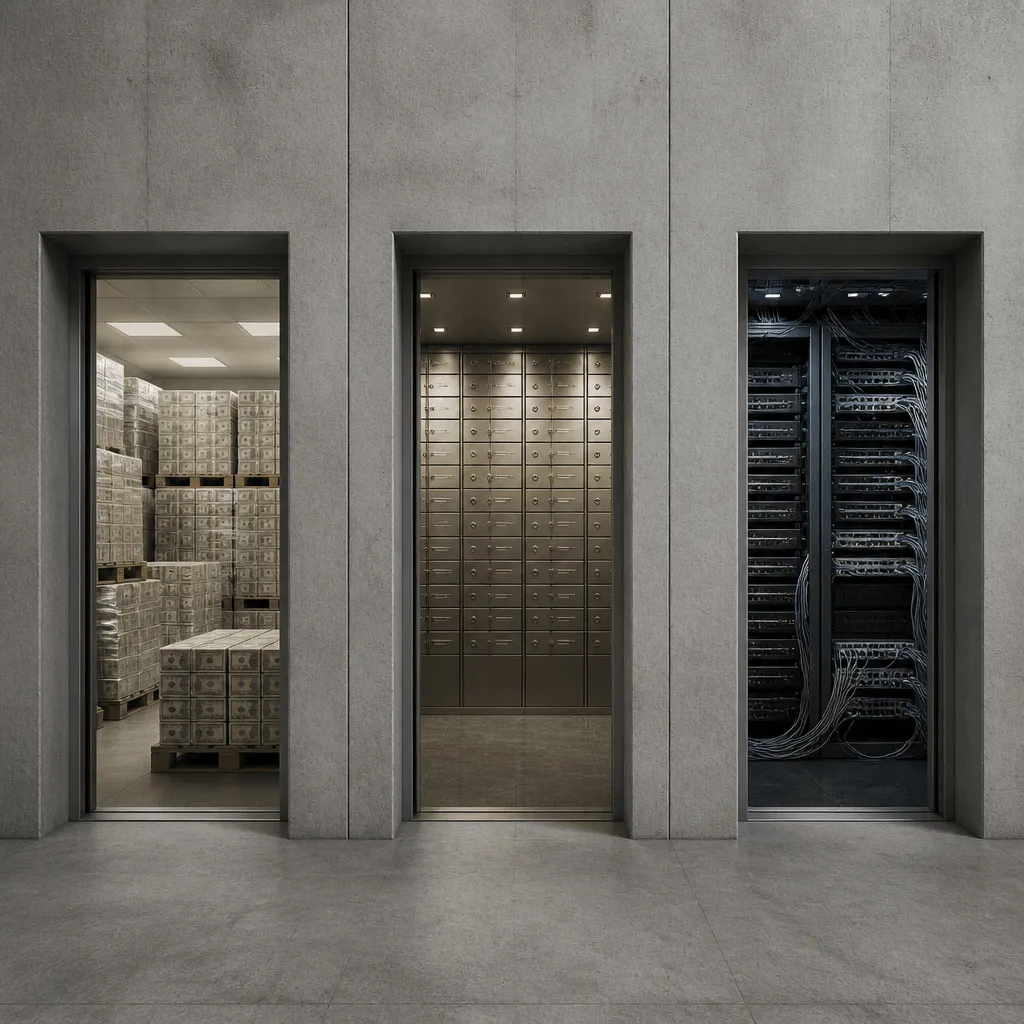
The filings cluster into three strategic purposes. The sources name the filers and their approval dates but do not systematically classify each firm’s primary motive, so the grouping below is inferred from each company’s known business lines rather than from stated intent.
The issuance group is the one GENIUS directly compels. Circle chartering as First National Digital Currency Bank, Paxos, and Stripe’s Bridge subsidiary all run or support dollar-token issuance, and for them permitted-entity status in 2027 is existential. Ripple sits adjacently, with both issuance and settlement exposure.
The custody group is converting an existing activity to a federal regulator. BitGo and Fidelity Digital Assets already hold institutional assets under state trust authority. A federal charter consolidates their supervisory relationships and upgrades the legal quality of the custody they sell to institutional allocators, for whom “custodied at a federally chartered trust bank” clears procurement committees faster than “custodied at a state-licensed trust company.”
The settlement and payments group is buying independence from sponsors. Payoneer, Zerohash, and to a degree Crypto.com are building or defending the ability to hold and route client funds at scale.
Morgan Stanley’s February 18 filing belongs in none of these categories cleanly and is the most informative single data point in the sequence. A firm of that size does not need a trust charter to participate in digital assets; it needs one if it intends to hold client digital assets directly rather than through a vendor. The filing indicates that a major incumbent has concluded the charter is becoming standard infrastructure for handling this asset class, in the same way custody licenses are standard infrastructure for handling equities. The same reading applies to Payoneer, which is a cross-border payments business with no crypto-native identity.
The composition of the eleven has therefore shifted over the window. It opened with crypto-native firms and closed with a bulge-bracket bank and a payments company. That drift indicates that the charter is being repriced from a crypto compliance artifact into a general-purpose license for holding client assets on digital rails.
The April rule change, and the difference between text and posture

On February 27, 2026, the OCC filed an amendment to 12 CFR 5.20, published in the Federal Register on March 2 and effective April 1. The change replaces the phrase “fiduciary activities” with “operations of a trust company and activities related thereto.”
Read narrowly, this is administrative cleanup. The prior text tied the national trust charter to fiduciary activities, which left a textual question about whether purely non-fiduciary custody, holding assets under a straightforward bailment rather than a fiduciary mandate, fell inside the authorized scope. Most digital asset custody is structured this way. The OCC’s position is that the amendment clarifies rather than expands, and that non-fiduciary custody was always within the charter’s reach in practice.
Taking the agency at its word makes the amendment more significant rather than less. If no new authority was granted, the value of the change is durability. A business model resting on an agency’s interpretation of ambiguous text can be undone by a successor’s different interpretation of the same text, without notice-and-comment and without litigation. A business model resting on the text itself cannot. Eleven firms are about to place capital and multi-year compliance programs behind custody businesses, and the amendment converts their core permission from an interpretive position into a written one.
The reason that distinction matters is visible in the same docket. Protego received a conditional OCC approval in 2021 and failed to satisfy the conversion requirements before it lapsed. Its second conditional approval, granted in early February 2026, is the same type of institution pursuing the same activity under the same statute. The binding constraint the first time was not statutory text. It was the supervisory posture and operational requirements in force during the conversion window.
Posture is reversible. Every firm in the current cohort is building toward operational status under a regulatory stance that granted five conditional approvals on one day in December, and each of them will still be under examination when that stance is set by different people. The April amendment hardens one specific permission against that risk. It does nothing about capital expectations, examination intensity, or the discretionary judgments that determine whether a conditional approval converts. Protego’s 2021 outcome shows how that process can stall, and the public record offers no historical base rate for OCC trust charter applications that stall or are withdrawn, leaving the conversion probability for the current eleven uncertain.
The acquisition track running in parallel

Chartering is one of two consolidation mechanisms operating at once. The other is capital.
Coinbase acquired the derivatives venue Deribit for $2.9 billion. Kraken bought the futures brokerage NinjaTrader for $1.5 billion. More than 140 venture-backed crypto companies were acquired in the four quarters ending September 2025, a 59% increase year over year. Venture funding into US crypto companies rose 44% in 2025 to $7.9 billion even as deal count fell, with median check size rising to $5 million and seed valuations up roughly 70% from 2023 levels. Investment into stablecoin-focused companies reached more than $1.5 billion in 2025, against under $50 million in 2019. These figures are drawn from PitchBook and Silicon Valley Bank analysis reported by CoinDesk in February 2026.
The pattern inside those numbers is concentration. Fewer deals, larger checks, higher entry valuations, and an elevated acquisition count describe capital consolidating into a smaller set of firms while the long tail is absorbed. SVB’s Anthony Vassallo framed 2026 as the year crypto moves from pilots to embedded infrastructure, with exchanges, custodians, infrastructure providers, and brokerages converging into multiproduct full-stack companies. That forecast should be weighed as an interested one. SVB maintains hundreds of relationships across crypto companies and their investors, and a convergence narrative serves the bank commercially.
The interested framing remains directionally plausible, because the charter and the acquisitions reinforce each other through a specific mechanism. A federal trust charter is expensive, slow, and capacity-constrained on the regulator’s side. Once a firm holds one, adding an acquired derivatives venue or brokerage to the group is cheaper than that target obtaining its own charter, and the acquirer can price the target accordingly. A charter creates an acquisition subsidy for the firms that clear the queue first, and the wave of approvals in December and February should accelerate the acquisition track through 2026.
Incumbent banks are closing the same gap from the opposite side. JPMorgan has stated plans to accept bitcoin and ether as collateral and has extended JPM Coin onto public blockchains. SoFi offers direct digital asset trading. US Bank provides custody through NYDIG. Société Générale launched a euro stablecoin. PNC, Citi, and Wells Fargo have explored a joint token initiative. Meanwhile at least 172 public companies held bitcoin in Q3 2025, up about 40% from the prior quarter, together holding roughly 5% of circulating supply.
Two populations are converging on one destination. Crypto firms are acquiring bank licenses and brokerages. Banks and corporates are acquiring crypto exposure and capability. The endpoint of both trajectories is the same institutional form: a federally supervised, vertically integrated firm that trades, custodies, issues, and settles.
What concentration costs, and what to watch next
The original disintermediation argument was that a system whose settlement finality depends on a small number of solvent, well-behaved institutions inherits their failure modes. The 2022 cycle validated that argument through commingled customer assets at firms that operated simultaneously as exchange, broker, custodian, and lender with no external supervision of the boundaries between them.
The charter wave resolves part of that critique. Assets held in custody at a federally supervised trust bank are segregated client property examined by the OCC, not unsecured claims against an operating company. A trust charter forbids lending against customer assets, the activity that turned the previous cycle’s failures catastrophic. On the specific mechanism that destroyed customer funds in 2022, a chartered structure is materially safer than what it replaces.
It leaves another vulnerability open. The firms assembling charters are the same firms assembling exchanges, derivatives venues, and brokerages. Regulatory separation between a trust bank subsidiary and its affiliates is a legal and operational construct maintained by the same management, the same technology stack, and the same treasury function. It holds under examination and normal conditions. Whether it holds when an affiliate is losing money rapidly has not been tested in this structure. Vertical integration relocates counterparty risk inside a corporate boundary where external observation is difficult and where fewer distinct entities must fail before systemic impairment occurs.
Federal preemption compounds this. Fifty state regimes are slow, duplicative, and expensive, yet they constitute fifty independent points of examination and fifty separate opportunities to identify a problem early. Routing supervision through one federal agency removes the duplication and the supervisory diversity together. An OCC that examines well produces a safer market than the state patchwork. An OCC that misses an issue misses it everywhere at once, and the 18 applications it received in 2025 arrived at an agency that supervises around 60 trust banks in total.
Three observable conditions will determine the outcome over the next two years. The first is the conversion rate: how many of the eleven follow Anchorage from conditional approval to operational status, and how many repeat Protego’s 2021 outcome. The second is Federal Reserve access. An OCC charter is a chartering action by the OCC, and we could not verify from the available record that it confers master account eligibility, which is determined separately. Without a master account, a chartered trust bank still reaches the payment system through a correspondent, reconstituting a version of the sponsor dependency these firms spent capital escaping. The third is the definition of “approved nonbank” under GENIUS. If that path is workable, the charter is a preference. If it is not, every issuer that fails to convert before 2027 becomes an acquisition target for one that did, accelerating the concentration outlined above.
서론
2025년 12월 12일, 미국 통화감독청(OCC)은 리플, 서클(First National Digital Currency Bank로 인가 신청), 비트고, 피델리티 디지털 자산, 팍소스 등 다섯 개 기업에 하루 만에 조건부 내셔널 트러스트 뱅크 인가를 내줬다. 일부는 신규 설립 신청이었고, 일부는 기존 주(州) 트러스트 회사의 전환 신청이었다. 이후 11주 동안 여섯 개 기업이 추가로 명단에 올랐다. 프로테고는 2021년 승인이 만료된 뒤 2월 초 두 번째 조건부 승인을 받았다. 스트라이프의 스테이블코인 자회사 브릿지(Bridge)가 2월 12일경 뒤를 이었다. 모건스탠리는 2월 18일 Morgan Stanley Digital Trust National Association이라는 이름으로 신청서를 제출했다. 크립토닷컴은 2월 23일 조건부 승인을 받았고, 페이오니아는 2월 24일 신청했으며, 제로해시가 3월 초 이 흐름을 마무리했다. 83일 동안 11개 기업이 신청했고, 코인베이스와 월드리버티파이낸셜의 신청도 심사 중이다.
이 중 어느 것도 조율된 움직임이 아니었다. 업계 실무 그룹도, 공동 성명도, 일괄 신청을 이끄는 공동 자문단도 없었다. 서로 다른 재무구조와 서로 다른 핵심 사업을 가진 11개의 독립된 이사회가 한 분기 안에 같은 규제 결정에 도달했다. 이런 패턴은 유행이 아니라 외부의 강제 요인을 가리킨다. 2027년부터 GENIUS 법은 미국 내 규정 준수 스테이블코인 발행을 “허가된 주체”(permitted entities), 즉 은행이나 승인된 비은행 기관으로 제한한다.
실제로 신청 중인 인가는 대부분의 보도가 암시하는 것보다 좁은 범위다. 내셔널 트러스트 뱅크는 소비자 예금을 받거나 주된 사업으로 대출을 실행할 수 없다. 고객 자산을 보관, 보호, 관리하는 것이 전부다. OCC는 이미 약 2조 달러 규모의 보관·보호 계좌를 보유한 약 60개 유사 기관을 감독하고 있으며, 11개 신청 기업은 JP모건 같은 존재가 되려는 것이 아니라 연방 감독을 받는 소규모 자산 보관 기관군에 합류하려는 것이다.
더 중요한 질문은 거래소, 파생상품 플랫폼, 브로커리지를 동시에 운영하는 바로 그 기업들이 모두가 결제 수단으로 삼는 달러 상품을 발행할 법적 자격을 부여하는 연방 인가까지 손에 쥐게 될 때 시장 구조에 어떤 변화가 일어나는가 하는 점이다.
내셔널 트러스트 인가가 허용하는 것과 배제하는 것
내셔널 트러스트 뱅크 인가는 허용 업무 범위가 제한된 연방 은행 라이선스다. 해당 기관은 OCC로부터 인가받고 감독받으며, 이 단일 감독 관계는 미국 50개 주 전역에서 유효하다. 인가된 사업 영역은 트러스트 회사 운영, 즉 보관, 안전 보관, 자산 관리, 신탁 서비스다. 일반 상업은행 운영은 허용되지 않는다. 소비자 예금 수취와 주된 업무로서의 대출은 인가 범위 밖에 있다.
이 배제 조항이 사업 경제성을 결정한다. 상업은행은 예금으로 자금을 조달하고 이를 대출해 스프레드를 얻는다. 트러스트 뱅크에는 그런 스프레드가 없다. 수익은 보관 수수료, 관리 수수료, 그리고 정해진 위임 범위 내에서 보유 자산에서 발생하는 수익률에서 나온다. 이 사업은 설계상 고정비가 크고, 컴플라이언스 비중이 높으며, 운영이 정형화되어 있다. 동시에 대출 장부에 따른 신용 손실 위험에도 노출되지 않는다. 트러스트 뱅크는 연쇄 부도가 아니라 운영 실수, 사기, 컴플라이언스 붕괴로 실패한다.
예금이 없다는 사실은 두 번째 함의를 낳는다. 트러스트 뱅크에 보관된 고객 자산은 은행의 부채가 아니라 고객 소유 재산으로서 기관의 대차대조표 밖에 존재한다. 이 구조는 2022년에 실패했던, 자금이 뒤섞인 옴니버스 방식보다 고객을 더 잘 보호한다. 당시 이용자들은 자신의 청구권이 운영 기업에 대한 무담보 채권 수준에 불과했다는 사실을 뒤늦게 깨달았다. 또한 예금이 없으므로 연방 예금 보험도 적용되지 않는다. 보호받을 예금 자체가 없기 때문이다. 여기서 보호는 정부의 지급 보증이 아니라 자산 분리와 감독이다.
스테이블코인 발행사에게 이 구조는 특히 잘 맞는다. 달러 담보 토큰은 예금이 아니고, 발행사는 그것을 담보로 대출을 하는 게 아니라 준비금을 보유하고 상환 요청에 응할 뿐이다. 이는 보관과 관리 업무이고, 트러스트 인가가 다루는 범위와 정확히 겹친다. 비트고나 피델리티 디지털 자산 같은 커스터디 업체에게 이 인가는 이미 주 트러스트 라이선스 아래 수행 중이던 업무를 공식화하는 것이다. 결제 기업에게 중요한 가치는 50개 주 라이선스 포트폴리오를 구축하지 않고도 연방 감독 아래 고객 자금을 보관하고 이동시킬 수 있다는 점이다.
이 연방 우선 적용(preemption)은 중요하다. 자금이체업자나 주 트러스트 회사로서 전국적으로 사업하려면 각각 자본 요건, 심사 주기, 보고 양식, 갱신 일정이 다른 수십 개의 개별 라이선스를 유지해야 하고, 각 라이선스는 주 당국이 언제든 취소할 수 있다. OCC 인가 하나로 그 포트폴리오를 감독관 한 명으로 대체할 수 있다. 이는 정치적 리스크도 위쪽으로 옮겨놓는다. 연방 인가를 가진 기업은 적대적인 주 은행 당국으로부터는 자유롭지만, 연방 차원의 정책 변화에는 온전히 노출된다.
이 전체 신청 흐름을 관통하는 유보 조건이 하나 있다. 조건부 승인은 운영 승인이 아니다. 조건부 승인을 받은 각 기업은 여전히 자본 기준, 컴플라이언스 체계 구축, 심사를 거쳐야 개점할 수 있다. 앵커리지 디지털 뱅크만이 완전히 운영 중인 내셔널 트러스트 뱅크로 전환을 마친 유일한 사례다. 공개된 자료에는 신규 인가 트러스트 뱅크에 부과되는 자본·유동성 기준이 명시돼 있지 않고, 조건부 승인에서 운영 승인까지 일반적으로 얼마나 걸리는지도 나와 있지 않다. 앵커리지는 하나의 사례일 뿐 통계적 분포가 아니다. 11개 인가라는 숫자를 세는 것은 실제로 달라진 것을 과장하는 셈이다.
은행을 빌리는 방식이 통하지 않게 된 이유
인가 경쟁이 벌어지기 전, 표준적인 해법은 ‘빌리는 것’이었다. 고객 자금을 보관하거나 결제망에 접근하거나 계좌형 상품을 제공해야 하는 핀테크는 라이선스를 가진 은행과 제휴했다. 은행이 규제 경계를 제공하고 핀테크가 상품과 고객을 제공하는 구조였다. 스폰서 은행은 수수료를 받았고, 핀테크는 속도를 얻었다.
2023년과 2024년에 걸쳐 이런 제3자 제휴 관계에 대한 연방 당국의 감시가 강화되면서 여러 은행이 핀테크 제휴를 축소하거나 종료했다. 스폰서 방식 아래서 핀테크의 규제상 지위는 상업적 계약의 한 조항에 불과하다. 스폰서 은행의 감독관이 제3자 리스크 관리에 대한 기준을 강화하면, 스폰서 은행은 조건을 재조정하거나 계약을 해지하고, 핀테크의 상품은 핀테크 자신에 대한 규제 조치 하나 없이도 멈춰버린다. 그 기업은 지킬 라이선스도, 내세울 심사 기록도, 자기 사업을 중단시킨 절차에서의 발언권도 없다.
인가를 직접 보유하는 것은 이런 거래상대방 리스크를 직접적인 감독 의무로 바꾼다. 비용은 실질적이다. 자본, 컴플라이언스 조직, 감독관에게 답해야 하는 이사회, 그리고 스폰서 모델을 매력적으로 만들었던 속도의 영구적 상실. 대신 얻는 이익은 운영할 권리가 이제 다른 기관의 리스크 성향이 아니라 자기 자신의 행위에 달려 있게 된다는 점이다.
이는 스테이블코인 야망이 뚜렷하지 않은 기업들까지 이번 인가 경쟁에 참여한 이유를 설명한다. 페이오니아와 제로해시는 결제 및 결제 인프라 사업이다. 이들에게 인가는 GENIUS 법보다는, 파트너사의 컴플라이언스 위원회 결정 하나로 핵심 역량을 다시는 박탈당하지 않겠다는 목적에 가깝다. 2023~2024년의 감시 강화 국면은 업계 전체에 빌린 접근권이 갖는 한계를 가르쳤고, 83일 만에 11건의 신청이 몰린 것은 그 교훈에 대한 뒤늦은 대가 지불이기도 하다.
시점을 결정지은 2027년 마감시한
2025년 7월 통과된 GENIUS 법은 결제용 스테이블코인에 대한 연방 기준을 정했다. 1:1 준비금 보유와 월간 공시 등이 그 요건이다. 시장 구조를 재편하는 조항은 2027년부터 발효되며, 규정 준수 스테이블코인 발행을 은행과 승인된 비은행 기관으로 구성된 “허가된 주체”로 제한한다.
이런 형태의 법정 마감시한은 인가 수요를 시간에 걸쳐 균등하게 만들지 않는다. 오히려 대기열을 만들고, 그 대기열에는 리드타임이 존재한다. 2027년에 규정 준수 달러 토큰을 발행하려는 기업은 심사, 컴플라이언스 체계 구축, 자본 배치, 조건부 승인, 신청서 준비까지 역산해야 한다. 그 체인에 18~24개월이 걸리고 시장에 완성된 사례가 단 하나뿐이라면, 합리적인 신청 시점은 2025년 말이나 2026년 초다. 11개 이사회가 독립적으로 같은 계산에 도달한 결과가 바로 OCC 신청 기록에 나타난 그 클러스터다.
대기열에는 반대편에서 작동하는 용량 제약도 있다. OCC는 2025년 한 해 동안 18개 기업으로부터 신청서를 받았고, 대부분 블록체인 관련 기업이었으며, 이는 총 약 60개 내셔널 트러스트 뱅크를 감독하는 기관을 상대로 한 것이다. 기존 피감독 기관 수의 약 3분의 1에 해당하는 신청량이 한 해에 몰리면 감독관의 업무 부담이 늘어나고, 감독관 인력은 탄력적으로 늘어나지 않는다. 늦게 신청한 기업은 먼저 신청한 기업과 심사 우선순위를 두고 경쟁하게 되므로, 일찍 신청할 유인이 강해지고 각 기업의 개별 일정과 무관하게 자기강화적인 쏠림이 생긴다.
법이 말하는 “승인된 비은행 기관”이 정확히 무엇인지는 공개 기록에서 가장 얇게 다뤄진 부분이다. 확보된 자료는 이 범주가 은행 경로의 대안으로 존재한다는 사실만 확인해줄 뿐, 요건이나 승인 주체, 실질적인 접근 가능성은 설명하지 않는다. 이 공백은 전체 인가 경쟁을 평가하는 데 중요하다. 비은행 경로가 중견 발행사에게도 실제로 작동한다면, 인가 경쟁은 필수가 아니라 비용이 큰 선호일 뿐이다. 반대로 그 경로가 좁거나 느리다면, 인가만이 유일하게 실행 가능한 길이 되고, 신청이 막힌 기업들은 2027년에 규정 준수 발행을 포기하거나 승인받은 기업에 회사를 매각하는 선택 사이에 놓인다.
11개 신청 기업이 실제로 무엇을 사는가
신청 기업들은 세 가지 전략적 목적으로 나뉜다. 자료는 신청 기업과 승인 날짜를 명시하지만 각 기업의 핵심 동기를 체계적으로 분류하지는 않으므로, 아래 분류는 각 기업이 표명한 의도가 아니라 알려진 사업 영역에서 추론한 것이다.
발행 그룹은 GENIUS 법이 직접적으로 압박하는 집단이다. First National Digital Currency Bank로 인가 신청한 서클, 팍소스, 스트라이프의 자회사 브릿지 모두 달러 토큰 발행 또는 그 지원 업무를 하며, 이들에게 2027년의 허가된 주체 지위는 존폐 문제다. 리플은 발행과 결제 양쪽에 걸쳐 있어 이 범주에 인접해 있다.
커스터디 그룹은 이미 하던 활동을 연방 규제 당국 아래로 옮기는 경우다. 비트고와 피델리티 디지털 자산은 이미 주 트러스트 권한 아래 기관 자산을 보관하고 있다. 연방 인가는 이들의 감독 관계를 하나로 통합하고, 기관 투자자에게 판매하는 커스터디의 법적 품질을 높인다. 기관 투자자 입장에서는 “연방 인가 트러스트 뱅크에서 보관”이라는 문구가 “주 라이선스 트러스트 회사에서 보관”보다 내부 조달 절차를 더 빨리 통과한다.
결제·정산 그룹은 스폰서로부터의 독립을 사는 것이다. 페이오니아, 제로해시, 그리고 어느 정도는 크립토닷컴이 대규모로 고객 자금을 보관하고 이동시킬 능력을 구축하거나 방어하고 있다.
2월 18일 모건스탠리의 신청은 이 어느 범주에도 깔끔하게 들어맞지 않으며, 전체 흐름에서 가장 시사하는 바가 큰 단일 사례다. 그 정도 규모의 기업은 디지털 자산에 참여하기 위해 트러스트 인가가 필요하지는 않다. 인가가 필요한 것은 벤더를 거치지 않고 고객의 디지털 자산을 직접 보관하려 할 때뿐이다. 이 신청은 대형 기존 금융기관이 이 인가를 이 자산군을 다루는 표준 인프라로 결론지었음을 보여준다. 마치 커스터디 라이선스가 주식 자산을 다루는 표준 인프라인 것과 같은 방식이다. 크립토와 무관한 정체성을 가진 국경 간 결제 기업 페이오니아에도 같은 해석이 적용된다.
이렇게 보면 11개 기업의 구성은 이 기간 동안 변화해 왔다. 초반에는 크립토 네이티브 기업이 주를 이뤘고, 후반에는 대형 은행과 결제 기업이 합류했다. 이 흐름은 이 인가가 크립토 컴플라이언스용 인공물에서 디지털 레일 위 고객 자산 보관을 위한 범용 라이선스로 재평가되고 있음을 보여준다.
4월의 규정 변경, 그리고 문언과 태도의 차이
2026년 2월 27일, OCC는 12 CFR 5.20 개정안을 제출했고, 이는 3월 2일 연방관보에 게재되어 4월 1일 발효됐다. 이 개정은 “신탁 활동”(fiduciary activities)이라는 문구를 “트러스트 회사의 운영 및 이와 관련된 활동”으로 대체한다.
좁게 읽으면 이는 행정적 정리에 불과하다. 기존 문언은 내셔널 트러스트 인가를 신탁 활동에 결부시켰고, 이로 인해 순수한 비(非)신탁적 커스터디, 즉 신탁 위임이 아닌 단순 임치(bailment)로서 자산을 보관하는 것이 인가 범위에 들어가는지에 대한 문언상 의문이 남아 있었다. 대부분의 디지털 자산 커스터디는 이런 구조를 따른다. OCC의 입장은 이번 개정이 범위를 확장하는 것이 아니라 명확히 하는 것이며, 비신탁적 커스터디는 실무상 애초부터 인가 범위 안에 있었다는 것이다.
당국의 말을 그대로 받아들인다 해도, 이 개정은 오히려 덜 중요한 게 아니라 더 중요해진다. 새로운 권한이 부여된 게 아니라면, 이 변화의 가치는 지속성에 있다. 모호한 문언에 대한 당국의 해석에 기대는 사업 모델은 사전 통지·의견수렴 절차나 소송 없이 후임 당국자의 다른 해석 하나로 무너질 수 있다. 문언 자체에 기대는 사업 모델은 그렇게 되지 않는다. 11개 기업이 커스터디 사업 위에 자본과 다년간의 컴플라이언스 프로그램을 쌓아 올리려는 시점에, 이 개정은 그들의 핵심 권한을 해석적 입장에서 성문화된 입장으로 바꿔놓는다.
이 구분이 왜 중요한지는 같은 신청 기록 안에서 확인할 수 있다. 프로테고는 2021년 조건부 OCC 승인을 받았지만 전환 요건을 충족하지 못해 승인이 만료됐다. 2026년 2월 초 받은 두 번째 조건부 승인은 같은 유형의 기관이 같은 법 아래 같은 활동을 다시 추진하는 것이다. 첫 번째 시도에서 발목을 잡은 것은 법 조문이 아니었다. 전환 기간 동안 적용된 감독 태도와 운영 요건이었다.
태도는 뒤바뀔 수 있다. 현재 코호트의 모든 기업은 12월 하루 만에 다섯 건의 조건부 승인을 내준 규제 태도 아래서 운영 승인을 향해 나아가고 있으며, 이들 모두는 그 태도가 다른 사람들에 의해 다시 정해질 때도 여전히 심사를 받는 중일 것이다. 4월 개정은 특정한 하나의 권한만을 그 위험으로부터 굳혔을 뿐이다. 자본 기준, 심사 강도, 조건부 승인의 전환 여부를 좌우하는 재량적 판단에 대해서는 아무것도 하지 않는다. 프로테고의 2021년 사례는 이 과정이 어떻게 정체될 수 있는지를 보여주며, 공개 기록에는 OCC 트러스트 인가 신청이 정체되거나 철회되는 역사적 기저율이 없어 현재 11개 기업의 전환 확률은 불확실한 채로 남는다.
나란히 진행되는 인수 트랙
인가 취득은 동시에 진행되는 두 가지 통합 메커니즘 중 하나다. 다른 하나는 자본이다.
코인베이스는 파생상품 플랫폼 데리비트를 29억 달러에 인수했다. 크라켄은 선물 브로커리지 닌자트레이더를 15억 달러에 인수했다. 2025년 9월로 끝나는 4개 분기 동안 벤처 투자를 받은 크립토 기업 140여 개가 인수됐는데, 전년 동기 대비 59% 증가한 수치다. 미국 크립토 기업에 대한 벤처 투자는 거래 건수가 줄었음에도 2025년 44% 증가한 79억 달러를 기록했고, 중간값 투자 규모는 500만 달러로 상승했으며, 시드 밸류에이션은 2023년 대비 약 70% 올랐다. 스테이블코인 중심 기업에 대한 투자는 2025년 15억 달러 이상으로, 2019년 5천만 달러 미만이었던 것과 대비된다. 이 수치들은 피치북과 실리콘밸리은행 분석에서 나왔으며 2026년 2월 코인데스크가 보도했다.
이 수치들 안에 담긴 패턴은 집중이다. 거래 건수는 줄고, 투자 규모는 커지고, 진입 밸류에이션은 높아지고, 인수 건수는 늘어나는 흐름은 롱테일이 흡수되는 동안 자본이 더 적은 수의 기업으로 집중되고 있음을 보여준다. SVB의 앤서니 바살로는 2026년을 크립토가 파일럿 단계에서 내장형 인프라로 전환하는 해로, 거래소·커스터디언·인프라 제공자·브로커리지가 다중 상품을 다루는 풀스택 기업으로 수렴하는 해로 규정했다. 이 전망은 이해관계가 걸린 발언으로 감안해야 한다. SVB는 수백 개의 크립토 기업 및 투자자와 관계를 유지하고 있고, 수렴 서사는 SVB에게 상업적으로 유리하다.
그럼에도 이해관계가 걸린 이 프레이밍은 방향성 측면에서는 그럴듯하다. 인가와 인수가 특정한 메커니즘을 통해 서로를 강화하기 때문이다. 연방 트러스트 인가는 비용이 크고, 느리고, 규제 당국 쪽에서 용량 제약이 있다. 일단 인가를 확보한 기업이라면, 인수한 파생상품 플랫폼이나 브로커리지를 그룹에 편입시키는 비용이 그 대상 기업이 직접 인가를 받는 것보다 저렴하고, 인수자는 그에 맞춰 가격을 매길 수 있다. 인가는 대기열을 먼저 통과한 기업에게 인수 보조금을 만들어주는 셈이며, 12월과 2월의 승인 물결은 2026년 내내 인수 트랙을 가속할 것이다.
기존 은행들도 반대편에서 같은 격차를 좁히고 있다. JP모건은 비트코인과 이더리움을 담보로 받겠다는 계획을 밝혔고 JPM코인을 퍼블릭 블록체인으로 확장했다. 소파이는 디지털 자산 직접 거래를 제공한다. US뱅크는 NYDIG를 통해 커스터디를 제공한다. 소시에테제네랄은 유로 스테이블코인을 출시했다. PNC, 씨티, 웰스파고는 공동 토큰 발행을 검토했다. 한편 2025년 3분기 기준 최소 172개 상장 기업이 비트코인을 보유했는데, 전 분기 대비 약 40% 증가한 수치이며, 이들이 보유한 비트코인은 유통 공급량의 약 5%에 달한다.
두 집단이 하나의 목적지를 향해 수렴하고 있다. 크립토 기업은 은행 라이선스와 브로커리지를 인수하고 있다. 은행과 대기업은 크립토 익스포저와 역량을 인수하고 있다. 두 경로의 종착점은 같은 기관 형태다. 연방 감독을 받으며 거래, 커스터디, 발행, 결제를 수직 통합한 기업.
집중이 치르는 대가, 그리고 앞으로 지켜볼 것
원래의 탈중개화(disintermediation) 논거는, 결제의 최종성이 소수의 지급능력 있고 행실이 좋은 기관에 의존하는 시스템은 그 기관들의 실패 양상까지 함께 물려받는다는 것이었다. 2022년 사이클은 거래소, 브로커, 커스터디언, 대출 기관의 역할을 동시에 수행하면서 그 경계에 대한 외부 감독이 전혀 없었던 기업들에서 고객 자산이 뒤섞인 사례를 통해 이 논거를 입증했다.
이번 인가 물결은 이 비판의 일부를 해소한다. 연방 감독을 받는 트러스트 뱅크에 보관된 자산은 OCC의 심사를 받는 분리된 고객 재산이지, 운영 기업에 대한 무담보 채권이 아니다. 트러스트 인가는 고객 자산을 담보로 한 대출을 금지하는데, 바로 이 행위가 지난 사이클의 실패를 파국으로 만든 원인이었다. 2022년 고객 자금을 파괴했던 그 특정 메커니즘에 관한 한, 인가받은 구조는 그것이 대체하는 이전 구조보다 실질적으로 더 안전하다.
다만 다른 취약점은 그대로 남아 있다. 인가를 확보하는 기업들은 거래소, 파생상품 플랫폼, 브로커리지를 동시에 구축하는 바로 그 기업들이다. 트러스트 뱅크 자회사와 계열사 사이의 규제상 분리는 같은 경영진, 같은 기술 스택, 같은 재무 기능이 유지하는 법적·운영적 구조물이다. 이는 심사 과정에서나 정상적인 상황에서는 유지된다. 계열사가 급격히 손실을 내는 상황에서도 이 구조가 버텨낼지는 아직 검증된 적이 없다. 수직 통합은 거래상대방 리스크를 기업 경계 안쪽으로 옮겨놓는데, 그 안에서는 외부 관찰이 어렵고, 시스템적 손상이 발생하기까지 실패해야 할 별개 주체의 수도 더 적다.
연방 우선 적용은 이를 더 심화시킨다. 50개 주의 규제 체계는 느리고 중복되고 비용이 크지만, 그만큼 50개의 독립된 심사 지점과 문제를 조기에 발견할 50개의 별개 기회를 형성한다. 감독을 하나의 연방 기관으로 몰아넣으면 중복성과 감독의 다양성이 동시에 사라진다. 심사를 잘하는 OCC라면 주 단위 규제가 뒤섞인 체계보다 더 안전한 시장을 만들어낸다. 반대로 OCC가 문제 하나를 놓치면 그것을 한꺼번에 모든 곳에서 놓치는 셈이며, 2025년 접수한 18건의 신청서는 총 약 60개 트러스트 뱅크를 감독하는 기관에 도착한 것이다.
앞으로 2년간 결과를 좌우할 관찰 가능한 조건은 세 가지다. 첫째는 전환율이다. 11개 기업 중 몇 곳이 앵커리지처럼 조건부 승인에서 운영 승인으로 넘어가고, 몇 곳이 프로테고의 2021년 결과를 반복할 것인가. 둘째는 연방준비제도 접근권이다. OCC 인가는 OCC가 부여하는 인가 행위이며, 이것이 별도로 결정되는 마스터 계좌 자격까지 부여하는지는 공개 기록으로 확인할 수 없었다. 마스터 계좌 없이는 인가받은 트러스트 뱅크도 결국 코레스폰던트 은행을 통해 결제 시스템에 접근해야 하며, 이는 이 기업들이 자본을 들여 벗어나려던 스폰서 의존 구조를 다른 형태로 재구성하는 셈이다. 셋째는 GENIUS 법상 “승인된 비은행 기관”의 정의다. 이 경로가 실제로 작동한다면 인가는 하나의 선택지일 뿐이다. 작동하지 않는다면, 2027년 이전에 전환에 실패한 모든 발행사는 전환에 성공한 기업의 인수 대상이 되며, 앞서 언급한 집중은 더 가속화될 것이다.
はじめに
2025年12月12日、米通貨監督庁(OCC)は5社に対し、条件付きの全米信託銀行免許を単日で承認した。対象はリップル、サークル(First National Digital Currency Bankとして免許取得)、BitGo、Fidelity Digital Assets、Paxosである。新規申請もあれば、既存の州信託会社からの転換もあった。その後11週間で、さらに6社が記録に加わった。Protegoは2021年の承認が失効した後、2月初旬に2度目の条件付き承認を得た。StripeのステーブルコインシステムBridgeが2月12日前後に続いた。Morgan Stanleyは2月18日、Morgan Stanley Digital Trust National Associationとして申請した。Crypto.comは2月23日に条件付き承認を受け、Payoneerは2月24日に申請、Zerohashが3月初旬にこの流れを締めくくった。83日間で11社、しかもCoinbaseとWorld Liberty Financialの申請も審査中だ。
これらはいずれも協調して行われたものではない。業界の作業部会もなければ共同声明もなく、共同申請を主導する共通の弁護団もなかった。バランスシートも主力事業も異なる11の独立した取締役会が、1四半期のうちに同じ規制上の決定にたどり着いた。このパターンは流行というより、外部からの強制力を示唆している。2027年から、GENIUS法は米国内での準拠ステーブルコイン発行を「permitted entities」(銀行または承認済みの非銀行)に制限するのだ。
申請対象となっている免許は、多くの報道が示唆するよりも狭い範囲のものだ。全米信託銀行は消費者預金の受け入れや貸付を主業務とすることはできない。行うのは顧客資産の保管、保全、管理業務である。OCCはすでに約60のこうした機関を監督しており、その保管・保全資産残高は合計およそ2兆ドルに達する。今回の11社は、JPMorganのような存在になろうとしているのではなく、この連邦監督下にある資産保有機関という小さなカテゴリーへの参入を求めているにすぎない。
より重要な問題は、取引所、デリバティブ取引所、証券会社を運営する同じ企業群が、誰もが決済に使うドル建て商品を発行する法的資格を与える連邦免許まで保有するようになったとき、市場構造に何が起きるかということだ。
全米信託免許が認可すること、認可しないこと
全米信託銀行免許は、認可される事業範囲が限定された連邦銀行免許である。当該機関はOCCによって免許付与・検査を受け、この単一の監督関係が全50州で有効となる。認可される業務は信託会社の運営、すなわち保管、保全、資産管理、受託者サービスである。一般商業銀行としての運営は認可されない。消費者預金の受け入れや主業務としての貸付は、この免許の範囲外に置かれる。
この除外規定が経済性を決定づける。商業銀行は預金で資金を調達し、それを貸し出すことでスプレッドを得る。信託銀行にはそのようなスプレッドが存在しない。収益は保管手数料、管理手数料、そして定められたマンデートの下で保有する資産に生じる利回りから得られる。この事業は設計上、固定費が高く、コンプライアンス負荷が重く、業務としては定型的だ。同時に、設計上、貸出資産のクレジットロスにさらされることもない。信託銀行が破綻するとすれば、業務上のミスや不正、コンプライアンス上の欠陥によるものであり、デフォルトの連鎖によるものではない。
預金が存在しないことには、もう一つの意味がある。信託銀行が保管する顧客資産は、当該機関の負債ではなく、顧客の財産として貸借対照表の外に置かれる。この構造は、2022年に破綻した混合オムニバス方式よりも顧客を保護する。あの方式では、ユーザーは自らの請求権が事業会社に対する無担保債権として扱われることを知ることになった。また、これは連邦預金保険の対象外を意味する。保険対象となる預金がそもそも存在しないからだ。ここでの保護は分別管理と監督であって、政府による保証ではない。
ステーブルコイン発行体にとって、この整合性は具体的だ。ドル担保トークンは預金ではなく、発行体はそれを元手に貸付を行っているわけでもない。発行体は準備資産を保有し、償還に応じているにすぎない。これは保管・管理業務であり、信託免許がカバーする範囲と一致する。BitGoやFidelity Digital Assetsのようなカストディアンにとって、この免許はすでに州の信託免許の下で行っている業務を正式化するものだ。決済企業にとっては、50州分の免許ポートフォリオを組み立てることなく、連邦監督下で顧客資金を保有・移動できることに価値がある。
この連邦優先原則は重要だ。マネートランスミッターや州信託会社として全米で事業を行うには、それぞれ独自の資本要件、検査サイクル、報告様式、更新期限を持ち、州当局によっていつでも取り消され得る免許を数十件維持する必要がある。OCCの免許一つが、この免許ポートフォリオを検査官一人に置き換える。同時に、政治リスクを上位に移転させることにもなる。連邦免許を持つ企業は、敵対的な州の銀行監督当局からは守られる一方、連邦の姿勢の変化には完全にさらされることになる。
今回の申請ラッシュ全体を貫く注意点が一つある。条件付き承認は稼働許可ではない。条件付き承認を受けた各社は、開業前に資本基準、コンプライアンス体制の構築、検査をなお経る必要がある。Anchorage Digital Bankは、フル稼働の全米信託銀行への移行を完了した唯一の企業である。新設信託銀行に課される資本・流動性基準の水準や、条件付き承認から稼働開始までの一般的な所要期間について、公開されている資料は詳細を示していない。Anchorageは分布ではなく単一のデータポイントにすぎない。11の免許を数え上げることは、実際に変化した内容を過大に見せる。
銀行を「借りる」やり方が機能しなくなった理由
免許取得ラッシュ以前、標準的な解決策は「借りる」ことだった。顧客資金の保有、決済インフラへのアクセス、口座に類似した商品の提供を必要とするフィンテック企業は、免許を持つ銀行と提携し、銀行が規制上の境界線を提供し、フィンテック企業が商品と顧客を提供した。スポンサー銀行は手数料を得て、フィンテック企業はスピードを得た。
こうしたサードパーティ関係に対する連邦規制当局の監視は2023年から2024年にかけて強まり、複数の銀行がフィンテックとの提携を縮小あるいは終了させることで対応した。スポンサー方式の下では、フィンテック企業の規制上の立場は商業契約上の一条項にすぎない。スポンサー銀行の検査官がサードパーティリスク管理に関する期待水準を引き上げれば、スポンサーは条件を見直すか契約を打ち切る。フィンテック企業自体に対して規制当局が何ら措置を取ったわけでもないのに、その商品は機能を止める。当該企業は防御すべき免許も、示すべき検査履歴も、事業停止に至った手続きにおける立場も持たない。
免許を自ら保有することは、このカウンターパーティリスクを直接の監督義務へと転換する。コストは実質的なものだ。資本、コンプライアンス機能、検査官に対して責任を負う取締役会、そしてスポンサーモデルの魅力だったスピードの恒久的な喪失である。得られる利益は、事業運営の権利がもはや他機関のリスク選好ではなく、自社の行動に左右されるようになることだ。
これが、明確なステーブルコイン戦略を持たない企業までもがこの免許取得の流れに含まれる理由を説明している。PayoneerとZerohashは決済・決済インフラ事業者だ。両社にとって、免許取得はGENIUS法対応というより、コア機能を二度とパートナーのコンプライアンス委員会に取り消されないようにするための措置に近い。2023年から2024年にかけての監視強化サイクルは業界全体に「借り物のアクセス」に関する教訓を与えており、83日間で11件の申請が出たのは、その教訓の支払いが遅れて回ってきた結果でもある。
市場構造を組み替える2027年の期限
2025年7月に成立したGENIUS法は、決済ステーブルコインに関する連邦基準を定めた。1対1の準備資産裏付けと月次開示などがその要件だ。市場構造を組み替える規定は2027年に発効し、準拠ステーブルコインの発行を「permitted entities」(銀行および承認済みの非銀行から成るカテゴリー)に限定する。
このような法定期限は、時間軸に均等に免許需要を生むわけではない。行列を生み、その行列にはリードタイムがある。2027年に準拠ドルトークンを発行しようとする企業は、検査、コンプライアンス体制構築、資本配置、条件付き承認、申請準備という工程を逆算しなければならない。この連鎖に18〜24ヶ月かかり、市場に存在する完成例が単一の機関だけだとすれば、合理的な申請時期は2025年末か2026年初頭になる。11の取締役会が独立にこの計算にたどり着いた結果が、まさにOCCの記録が示すクラスターだ。
行列には、供給側の制約もある。OCCは2025年中に18社から申請を受けたが、その大半がブロックチェーン関連企業であり、全体で約60の全米信託銀行を監督する機関にとってはかなりの量だ。単年での申請流入が既存の被監督機関数の3分の1に相当する規模となれば、検査官の業務量は膨らむが、検査官の供給は弾力的ではない。この期間の後半に申請する企業は、先に申請した企業と審査対応をめぐって競合することになり、早期申請の誘因が強まり、各社の本来のタイムラインとは無関係に自己強化的な駆け込みが生じる。
法律が言う「approved nonbanks」が何を意味するのかは、公開記録が手薄な部分だ。入手可能な資料は、このカテゴリーが銀行免許ルートの代替として存在することを確認しているが、その要件、承認権限、実際のアクセスしやすさについては詳述していない。この空白は、今回の流れ全体を評価するうえで重要だ。もし非銀行ルートが中規模発行体にとって実行可能なものだと判明すれば、免許取得ラッシュは必要性ではなくコストのかかる選好にすぎなかったことになる。もしそのルートが狭く遅いものだと判明すれば、免許こそが唯一の実行可能な道であり、申請が滞った企業は2027年に、準拠発行から撤退するか、承認を得た企業に身売りするかの選択を迫られる。
11社の申請を、実際に何を得ようとしているかで分類する
各申請は3つの戦略的目的に分類できる。出典資料は申請企業名と承認日を挙げているが、各社の主要動機を体系的に分類しているわけではないため、以下の分類は各社の既知の事業内容から推測したものである。
発行グループはGENIUS法が直接動機づけているグループだ。First National Digital Currency Bankとして免許を取得するサークル、Paxos、StripeのBridge子会社はいずれもドルトークンの発行または支援を行っており、2027年に「permitted entity」の地位を得ることは彼らにとって存亡に関わる問題だ。リップルはこれに隣接し、発行と決済の両面にエクスポージャーを持つ。
保管グループは、既存の業務を連邦規制当局のもとに移行させている。BitGoとFidelity Digital Assetsはすでに州の信託免許の下で機関投資家向け資産を保有している。連邦免許は監督関係を一本化し、機関投資家向けに販売する保管サービスの法的品質を引き上げる。機関投資家にとって、「連邦免許を持つ信託銀行での保管」は「州免許の信託会社での保管」よりも社内の調達委員会を通りやすい。
決済・支払いグループは、スポンサーからの独立を得ようとしている。Payoneer、Zerohash、そしてある程度Crypto.comも、大規模に顧客資金を保有・送金する能力を構築、あるいは防衛しようとしている。
Morgan Stanleyの2月18日の申請は、これらのどのカテゴリーにもきれいには当てはまらず、この一連の流れの中で最も示唆に富む単独のデータポイントだ。この規模の企業がデジタル資産に関わるために信託免許を必要とするわけではない。必要になるのは、ベンダーを介さず顧客のデジタル資産を直接保有しようとする場合だ。この申請は、大手既存プレイヤーが、この資産クラスを扱う標準インフラとして信託免許が定着しつつあると判断したことを示している。それはちょうど、株式を扱う標準インフラとして保管免許が定着しているのと同じことだ。同じ読み方は、暗号資産ネイティブな性格を持たない越境決済企業Payoneerにも当てはまる。
したがって、11社の顔ぶれはこの期間を通じて変化してきた。当初は暗号資産ネイティブな企業で始まり、大手投資銀行と決済企業で締めくくられた。この推移は、この免許が暗号資産コンプライアンス上の産物から、デジタルレール上で顧客資産を保有するための汎用免許へと再評価されつつあることを示している。
4月の規則改正、条文と姿勢の違い
2026年2月27日、OCCは12 CFR 5.20の改正を提出し、3月2日に連邦官報に公示、4月1日に発効した。この改正は「fiduciary activities(受託業務)」という文言を「信託会社の業務およびそれに関連する活動」に置き換えるものだ。
狭く読めば、これは事務的な整理にすぎない。それまでの条文は全米信託免許を受託業務に結びつけていたため、純粋な非受託型の保管、すなわち受託マンデートによらない単純な寄託として資産を保有する行為が、認可された範囲に含まれるかどうかという文言上の疑問が残されていた。デジタル資産の保管の大半はこの形態を取る。OCCの立場は、この改正は範囲を拡大するものではなく明確化するものであり、非受託型の保管は実務上、常にこの免許の対象範囲内にあったというものだ。
この当局の説明をそのまま受け取れば、この改正はより軽微どころか、むしろより重要な意味を持つ。新たな権限が付与されたわけではないとすれば、この変更の価値は「耐久性」にある。曖昧な条文についての当局の解釈に依拠する事業モデルは、意見公募も訴訟もなく、後任者による同じ条文の別の解釈によって覆され得る。条文そのものに依拠する事業モデルは覆されない。11社がまさに、資本と複数年にわたるコンプライアンス体制を保管事業に投じようとしているところであり、この改正は彼らの中核的な許可を、解釈上の立場から成文化された立場へと転換させる。
この違いが重要である理由は、同じ記録の中に見て取れる。Protegoは2021年に条件付きOCC承認を受けたが、転換に必要な要件を失効前に満たすことができなかった。2026年2月初旬に得た2度目の条件付き承認は、同じ法律の下で同じ業務を行う同種の機関によるものだ。1度目に制約となったのは法文そのものではなく、転換期間中に有効だった監督上の姿勢と運用要件だった。
姿勢は可逆的だ。現在の申請企業群はすべて、12月の単日で5社に条件付き承認を与えた規制姿勢の下で稼働に向けた体制構築を進めており、その姿勢が別の人間によって定められる時期になっても、いずれも検査対象であり続ける。4月の改正は、特定の一つの許可をそのリスクから守るものにすぎない。資本要件、検査の厳しさ、条件付き承認が実際に稼働にたどり着くかどうかを決める裁量的判断については、この改正は何も変えない。Protegoの2021年の結末は、この過程がどのように行き詰まり得るかを示しており、公開記録には、OCCの信託免許申請が行き詰まったり取り下げられたりする基準となる過去データが存在しないため、現在の11社の転換確率は不確かなままだ。
並行して進む買収の潮流
免許取得は、同時に進んでいる二つの統合メカニズムのうちの一つにすぎない。もう一つは資本だ。
Coinbaseはデリバティブ取引所Deribitを29億ドルで買収した。KrakenはフューチャーズブローカーNinjaTraderを15億ドルで買収した。2025年9月に終わる過去4四半期で、140社以上のベンチャー投資を受けた暗号資産企業が買収され、これは前年比59%増だ。米国暗号資産企業へのベンチャー投資は2025年に44%増の79億ドルに達し、案件数は減少する一方で中央値の投資額は500万ドルまで上昇、シード評価額は2023年水準からおよそ70%上昇した。ステーブルコイン関連企業への投資は2025年に15億ドル超に達し、2019年の5000万ドル未満から大きく伸びた。これらの数値はPitchBookおよびSilicon Valley Bankの分析に基づき、2026年2月にCoinDeskが報じたものだ。
この数字の内側にあるパターンは集中だ。案件数は減り、投資額は増え、参入評価額は上がり、買収件数は増加している。これは資本がより少数の企業に集中し、その裾野が吸収されつつあることを示している。SVBのAnthony Vassalloは2026年を、暗号資産が実証実験から組み込み型インフラへと移行する年と位置づけ、取引所、カストディアン、インフラ提供者、証券会社が収斂してマルチプロダクトのフルスタック企業になっていくと予測した。この予測は、利害関係者による見方として割り引いて評価すべきだ。SVBは暗号資産企業とその投資家双方と数百におよぶ取引関係を持っており、収斂の物語はこの銀行の商業的利益にも資する。
とはいえ、この利害関係を伴う見立ても方向性としては妥当だ。免許取得と買収は特定のメカニズムを通じて互いを強化し合っているからだ。連邦信託免許の取得は、コストが高く、時間がかかり、規制当局側の処理能力にも制約がある。ひとたび免許を保有すれば、買収したデリバティブ取引所や証券会社をグループに加えるコストは、その買収対象が自ら免許を取得するコストよりも安くなり、買収側はそれに応じた価格をつけられる。免許は、行列の先頭に立った企業に買収の補助金を生み出す構造であり、12月と2月の承認の波は2026年を通じて買収の流れを加速させるはずだ。
既存の銀行群は逆方向から同じギャップを埋めつつある。JPMorganはビットコインとイーサをカストディ担保として受け入れる計画を表明し、JPM Coinをパブリックブロックチェーン上に拡張した。SoFiはデジタル資産の直接取引を提供している。US BankはNYDIGを通じてカストディを提供している。Société Généraleはユーロ建てステーブルコインを立ち上げた。PNC、Citi、Wells Fargoは共同トークン構想を検討している。一方、2025年第3四半期には少なくとも172社の上場企業がビットコインを保有しており、これは前四半期比でおよそ40%増、合計で流通供給量の約5%に相当する。
二つの陣営が一つの到達点に向かって収斂している。暗号資産企業は銀行免許と証券会社を買収し、銀行や事業会社は暗号資産のエクスポージャーと能力を買収している。両方の軌道の終着点は同じ制度形態、すなわち連邦の監督下にあり、垂直統合された、取引・保管・発行・決済のすべてを行う企業だ。
集中が生むコストと、次に注目すべき点
もともとの「非中央集権化」の議論は、決済のファイナリティが少数の健全で行儀の良い機関に依存するシステムは、その機関の破綻様式まで引き継いでしまう、というものだった。2022年のサイクルはこの議論を裏づけた。取引所、ブローカー、カストディアン、貸付業者を同時に兼ね、それらの間の境界に外部監督がまったく及ばない企業において、顧客資産が混同されていたのだ。
今回の免許取得の流れは、この批判の一部を解消する。連邦監督下の信託銀行が保管する資産は、OCCが検査する分別された顧客財産であり、事業会社に対する無担保債権ではない。信託免許は顧客資産を担保にした貸付を禁じており、これは前回のサイクルの破綻を破滅的なものにした行為そのものだ。2022年に顧客資金を破壊した具体的なメカニズムに関する限り、免許を取得した構造は、それが置き換える仕組みよりも実質的に安全だ。
しかし、別の脆弱性は残されたままだ。免許を組み立てている企業は、取引所、デリバティブ取引所、証券会社を組み立てている企業と同一だ。信託銀行子会社とその関連会社との間の規制上の分離は、同じ経営陣、同じ技術基盤、同じ財務機能によって維持される法的・運用上の構築物にすぎない。検査を受けている通常時にはこれは機能する。しかし、関連会社が急速に損失を出しているときにもこの構造が持ちこたえるかどうかは、まだ検証されていない。垂直統合は、カウンターパーティリスクを、外部からの観測が難しく、システミックな毀損に至るまでに破綻すべき独立した主体の数がより少ない企業境界の内側へと移動させる。
連邦優先原則はこれを増幅させる。50州の規制体制は遅く、重複が多く、コストもかかるが、それでも50の独立した検査ポイントと、問題を早期に発見する50の別々の機会を構成していた。監督を単一の連邦機関に集約することは、重複と監督の多様性の両方を同時に取り除いてしまう。よく検査するOCCは、州ごとのばらばらの体制よりも安全な市場を生む。一方、何かを見落とすOCCは、それを一度にすべての場所で見落とす。2025年に受け付けた18件の申請は、全体で約60の信託銀行を監督する機関のもとに届いたものだ。
今後2年間で結果を左右する観測可能な条件は3つある。一つ目は転換率だ。11社のうちどれだけがAnchorageに続いて条件付き承認から稼働状態に至り、どれだけがProtegoの2021年の結末を繰り返すか。二つ目は連邦準備制度へのアクセスだ。OCCの免許取得はOCCによる免許付与行為であり、それがマスターアカウントの資格を付与するかどうかは、入手可能な資料からは確認できなかった。マスターアカウントの資格は別途決定されるものだからだ。マスターアカウントがなければ、免許を取得した信託銀行もなお決済システムへのアクセスをコルレス銀行経由で確保することになり、これらの企業が資本を投じて脱却しようとしたスポンサー依存の一形態を再構築することになる。三つ目はGENIUS法の下での「approved nonbank」の定義だ。この道が実行可能であれば、免許取得は選好の問題にすぎない。実行可能でなければ、2027年までに転換できなかった発行体はすべて、転換に成功した企業の買収対象となり、上述の集中はさらに加速する。
引言
2025年12月12日,美国货币监理署(OCC)在同一天内向五家机构授予了有条件的国家信托银行牌照批复:Ripple、Circle(以First National Digital Currency Bank的名义申请牌照)、BitGo、Fidelity Digital Assets以及Paxos。其中一些是全新申请,另一些则是由现有州级信托公司转制而来。在随后的十一周里,又有六家机构进入了这份名单。Protego在2021年的批复失效后,于2月初拿到了第二次有条件批复。Stripe旗下稳定币子公司Bridge紧随其后,大约在2月12日获批。摩根士丹利于2月18日以Morgan Stanley Digital Trust National Association的名义提交了申请。Crypto.com在2月23日获得有条件批复,Payoneer在2月24日提交申请,Zerohash则在3月初收官。八十三天内十一家机构申请,而Coinbase和World Liberty Financial的申请仍在审理中。
这一切并非协调行动的结果。没有行业工作组,没有联合声明,也没有共同的法律顾问在背后统一操盘一批联合申请。十一家独立的董事会,资产负债表各不相同,核心业务也各异,却在同一个季度内做出了相同的监管决策。这种模式指向的是某种外部驱动力,而非一时风潮:从2027年起,《GENIUS法案》将把美国境内合规稳定币的发行权限限定给”许可实体”,也就是银行或经批准的非银行机构。
这些机构所申请的牌照,其实际权限比大多数报道暗示的要窄得多。国家信托银行不能吸收消费者存款,也不能以此为主营业务发放贷款。它的业务是保管、托管和管理客户资产。OCC目前已监管大约60家此类机构,合计托管和保管资产接近2万亿美元,而这十一家申请者要加入的,是这个小规模的联邦监管资产托管机构类别,而不是要变成摩根大通。
更值得关注的问题是:当同一批机构既经营交易所、衍生品平台和券商业务,又持有让它们合法发行大家用来结算的美元工具的联邦牌照时,市场结构会发生什么变化。
国家信托牌照授权什么,又排除了什么
国家信托银行牌照是一种联邦银行牌照,但允许经营的业务范围受到限制。该机构由OCC颁发牌照并进行检查,这一单一的监管关系在全美五十个州均有效。其获准经营的业务是信托公司的运作:保管、托管、资产管理和信托服务。它无权经营一般商业银行业务。吸收消费者存款和以放贷为主业不在牌照范围之内。
这一排除项决定了其经济模式。商业银行靠吸收存款融资,通过放贷赚取利差。信托银行没有这样的利差。它的收入来自保管费、管理费,以及其在特定授权下持有资产所产生的任何收益。这门生意按设计就是高固定成本、高合规负担、操作上高度常规化。同样按设计,它不承担贷款账簿上的信用损失风险。信托银行倒下,是因为操作失误、欺诈或合规体系崩溃,而不是因为一波违约潮。
不吸收存款还带来第二层含义。客户资产在信托银行的保管账户中属于表外资产,是客户的财产,而非银行的负债。这种结构对客户的保护,要强于2022年出问题的那种混同的综合账户安排——当时用户发现自己的债权只是对运营公司的无担保债权。这也意味着这里没有联邦存款保险的问题,因为根本没有受保存款需要覆盖。这里的保护机制是资产隔离和监管,而不是政府兜底。
对稳定币发行方来说,这种匹配是具体的。锚定美元的代币不是存款,发行方也不是拿它去放贷;发行方持有储备资产并履行赎回义务。这些属于保管和管理职能,恰好落在信托牌照的范围内。对BitGo或Fidelity Digital Assets这样的托管机构来说,牌照是把已经在州信托牌照下开展的业务正式化。对支付公司来说,牌照的价值在于能够在联邦监管下持有和转移客户资金,而不必去搭建一套覆盖五十个州的牌照组合。
这种联邦优先的效应意义重大。以货币转账商或州信托公司的身份在全国经营,意味着要维持几十张各自独立的牌照,每一张都有自己的资本要求、检查周期、报告格式和续期日程,而且每一张都可能被某个州的监管机构吊销。一张OCC牌照,用一个检查员取代了这一整套牌照组合。这也把政治风险上移了。持有联邦牌照的机构,不再受制于某个不友好的州银行监管部门,但完全暴露在联邦立场变化的风险之下。
整个申请潮中贯穿着一个警示。有条件批复不等于可以运营。每一家拿到有条件批复的机构,在真正开业前仍要满足资本标准、完成合规体系建设并通过检查。Anchorage Digital Bank仍是唯一一家完成了从有条件批复到全面运营的国家信托银行的机构。现有公开资料并未说明新获牌照的信托银行需要满足的资本和流动性门槛,也没有说明从有条件批复到正式运营通常需要多长时间,而Anchorage只是一个孤例,不能代表整体分布。把十一张牌照都算作已经落地的变化,是夸大了实际发生的情况。
为什么”借牌照”这条路走不通了
在这波申牌潮之前,标准做法是”借牌照”。需要持有客户资金、接入支付轨道或提供类账户产品的金融科技公司,会与持牌银行合作,由银行提供监管边界,金融科技公司提供产品和客户。发起银行赚取费用,金融科技公司赚取速度。
2023年到2024年间,联邦监管对这类第三方合作关系的审查明显收紧,不少银行因此减少甚至退出了与金融科技公司的合作。在发起行安排下,金融科技公司的监管地位不过是一纸商业合同中的条款。一旦发起行的检查员收紧了对第三方风险管理的预期,发起行就会重新定价或直接终止合作,金融科技公司的产品就此停摆,而监管机构并未针对该公司本身采取任何行动。这家公司手里没有可以捍卫的牌照,没有可以援引的检查记录,在这场终结其业务的程序中也没有任何发言权。
自己持有牌照,则是把这种交易对手风险转变为直接的监管义务。代价是实实在在的:资本金、合规职能、一个要向检查员负责的董事会,以及永久失去了”借牌照”模式最吸引人的那种速度。好处是,公司的经营权此后取决于自身行为,而不是另一家机构的风险偏好。
这解释了为什么这波申牌潮中,包括了一些看不出有明显稳定币野心的公司。Payoneer和Zerohash是支付与结算基础设施业务。对它们来说,申牌与其说是为了应对《GENIUS法案》,不如说是为了再也不用担心某个合作方的合规委员会一句话就收走自己的核心能力。2023到2024年的审查周期给整个行业上了一课,教训是”借来的准入权”靠不住,而八十三天内十一份申请,某种程度上正是这个教训迟来的代价。
2027年的截止日期在决定节奏
《GENIUS法案》于2025年7月通过,为支付类稳定币设定了联邦标准:1:1储备支持、月度信息披露等要求。其中重构市场结构的条款于2027年生效,将合规稳定币的发行权限定给”许可实体”——即银行以及经批准的非银行机构这一类别。
这样的法定截止日期,不会在时间上均匀地制造牌照需求,而是制造一条排队通道,而这条通道有其前置周期。一家打算在2027年发行合规美元代币的公司,需要从检查、合规体系建设、资本配置、有条件批复、申请准备这条链条往前倒推。如果这一整套流程需要十八到二十四个月,而市场上唯一走完全程的例子只有一家机构,那么理性的申请时点就应该是2025年末或2026年初。十一家董事会各自独立得出了同样的计算结果,恰好就形成了OCC申请记录中出现的那一波扎堆。
排队通道的另一端还存在容量瓶颈。OCC在2025年一年内收到了18家公司的申请,其中多数与区块链相关,而这家机构总共只监管大约60家国家信托银行。单年的申请量相当于现有受监管机构总数的近三分之一,这会拉长检查员的工作负荷,而检查员的产能不是有弹性的。晚提交申请的公司,要和早提交的公司争夺同一批审查资源,这进一步强化了”早提交”的动机,形成了一种与各家自身时间表无关、自我强化的抢跑效应。
法案所说的”经批准的非银行机构”具体指什么,恰恰是公开记录中最语焉不详的部分。现有资料只确认这一类别的存在,是作为银行路径之外的替代选项,但没有详述其具体要求、审批机构或实际可及性。这个信息缺口对评估整波申牌潮至关重要。如果非银行路径最终对中型发行方来说是可行的,那么申牌潮就只是一种代价高昂的偏好选择,而非必需。如果这条路径被证明狭窄或缓慢,那么牌照就是唯一可行的出路,而那些申请卡壳的公司到2027年将面临一个选择:要么退出合规发行业务,要么把自己卖给已经获批的机构。
按实际所求为十一家申请者分类
这些申请可以归为三类战略目的。资料来源列出了申请机构和获批日期,但没有系统地分类每家公司的主要动机,因此下面的分组是根据每家公司已知的业务线推断而来,而非其明确表态的意图。
发行类是《GENIUS法案》直接推动的一类。以First National Digital Currency Bank名义申请的Circle、Paxos以及Stripe旗下子公司Bridge,都在经营或支持美元代币发行,对它们来说,2027年获得”许可实体”资格是生死攸关的事。Ripple则处于相邻位置,同时涉及发行和结算业务。
托管类是在把已有业务转到联邦监管之下。BitGo和Fidelity Digital Assets此前已在州信托牌照下持有机构客户资产。联邦牌照能整合它们的监管关系,提升它们向机构配置者出售的托管服务的法律质量——对这些配置者而言,“由联邦特许信托银行托管”比”由州持牌信托公司托管”更容易通过采购委员会的审核。
结算与支付类则是在购买摆脱发起行依赖的独立性。Payoneer、Zerohash以及在一定程度上的Crypto.com,都在建立或捍卫其大规模持有和调度客户资金的能力。
摩根士丹利2月18日的申请,不能干净利落地归入以上任何一类,却是这一系列事件中信息量最大的单个数据点。摩根士丹利这种体量的机构,参与数字资产本不需要信托牌照;只有当它打算直接持有客户的数字资产,而不是通过第三方供应商时,才需要牌照。这份申请说明,一家主要老牌机构已经得出结论:牌照正在成为处理这类资产的标配基础设施,就像托管牌照是处理股票资产的标配基础设施一样。同样的解读也适用于Payoneer——一家没有加密原生身份、做跨境支付业务的公司。
因此,这十一家机构的构成在这段时间窗口内发生了转变。潮流始于加密原生公司,收尾于一家大型投行和一家支付公司。这种漂移表明,牌照正在从一种加密合规工具,被重新定价为一种用于在数字轨道上持有客户资产的通用牌照。
4月的规则调整,以及条文与监管姿态之间的差异
2026年2月27日,OCC提交了对12 CFR 5.20的修订,该修订于3月2日刊登于《联邦公报》,4月1日生效。此次调整将”信托活动”(fiduciary activities)一词替换为”信托公司的运作及与之相关的活动”。
从字面上看,这只是行政层面的文字整理。此前的条文将国家信托牌照与信托活动挂钩,这就留下一个文本上的疑问:纯粹非信托性质的托管——即在简单寄存关系下持有资产,而非在信托委托关系下持有——是否落在授权范围之内。而大多数数字资产托管恰恰是按这种方式构建的。OCC的立场是,此次修订是澄清而非扩权,非信托性质的托管在实践中一直都在牌照权限范围之内。
即便照单全收监管机构的这一说法,这次修订的意义反而更大,而不是更小。如果没有新增任何授权,那么这次修订的价值就在于稳定性。一种依赖某个监管机构对模糊条文的解释而建立的商业模式,可能被后任对同一条文的不同解释推翻,而且无需经过公开征求意见,也无需经过诉讼。而依赖条文本身的商业模式则不会如此。十一家机构即将把资本和多年期的合规项目押注在托管业务上,而这次修订把它们最核心的权限,从一种解释性的立场,变成了白纸黑字的条文。
这一区别为什么重要,在同一份档案中就能看到证据。Protego在2021年拿到了OCC的有条件批复,但未能在牌照失效前满足转正要求。它在2026年2月初拿到的第二次有条件批复,针对的是同类机构,在同一部法规下从事同样的业务。第一次卡住的约束因素,并不是法定条文本身,而是当时转正窗口期内的监管姿态和运营要求。
监管姿态是可逆的。当前这批机构都在朝着运营地位努力,依据的是一种曾在12月同一天批出五张有条件牌照的监管姿态,而当这批机构仍处于检查阶段时,决定这种姿态的可能已经换了一批人。4月的修订把某一项具体权限从这种风险中固化了出来。但它对资本预期、检查力度,以及决定有条件批复能否转正的那些自由裁量判断,并没有任何改变。Protego在2021年的结果说明了这一流程可能在哪里卡住,而公开记录也没有提供OCC信托牌照申请卡壳或撤回的历史基准比例,这使得当前这十一家机构的转正概率仍不明朗。
与此同时并行推进的并购路线
申牌只是当下同时运作的两种整合机制之一。另一种是资本。
Coinbase以29亿美元收购了衍生品平台Deribit。Kraken以15亿美元收购了期货经纪商NinjaTrader。在截至2025年9月的四个季度里,超过140家有风投背景的加密公司被收购,同比增长59%。2025年美国加密公司获得的风险投资总额同比增长44%,达到79亿美元,尽管交易数量在下降,单笔中位融资额升至500万美元,种子轮估值较2023年水平大约上涨了70%。专注于稳定币的公司在2025年获得的投资超过15亿美元,而2019年这一数字还不到5000万美元。这些数据来自PitchBook和硅谷银行的分析,由CoinDesk在2026年2月报道。
这些数字背后的模式是集中化。交易数量减少、单笔金额增大、入场估值抬高,再加上并购数量上升,共同描绘出资本正向少数几家公司集中,而长尾公司则被吸纳消化的图景。硅谷银行的Anthony Vassallo将2026年定性为加密行业从试点走向嵌入式基础设施的一年,交易所、托管机构、基础设施提供商和券商正在融合成多产品的全栈公司。这一预测应当被视为带有利益立场的判断。硅谷银行与数百家加密公司及其投资方都有业务关系,一个”融合”叙事对这家银行本身有商业上的好处。
不过即便带着这层利益立场去看,这一判断在方向上依然站得住脚,因为牌照和并购通过一个具体机制在相互强化。联邦信托牌照的申请成本高、周期长,而且在监管方一侧的审批容量有限。一旦某家公司拿到了牌照,再把一家被收购的衍生品平台或券商并入集团,成本要远低于该目标公司自己去申请牌照,收购方也就能据此给目标公司定出相应的价格。牌照为最先跑通排队通道的公司创造了一种并购补贴,而12月和2月这一波批复潮,预计将在2026年内加速这条并购路线的推进。
老牌银行则在从相反的方向补齐同一个缺口。摩根大通已表态计划接受比特币和以太坊作为抵押品,并已把JPM Coin扩展到公链上。SoFi提供数字资产的直接交易服务。US Bank通过NYDIG提供托管服务。法国兴业银行推出了欧元稳定币。PNC、花旗和富国银行探讨过联合发行代币的计划。与此同时,2025年第三季度至少有172家上市公司持有比特币,较上一季度增长约40%,合计持有流通供应量的约5%。
两个原本不同的群体正在汇向同一个目的地。加密公司在收购银行牌照和券商,银行与企业则在收购加密敞口和相关能力。这两条轨迹的终点是同一种机构形态:一家受联邦监管、垂直整合的公司,既做交易,又做托管,也做发行和结算。
集中化的代价,以及接下来要观察什么
最初反对中介化的论点是:一个结算最终性依赖于少数几家有偿付能力、行为规范的机构的体系,会继承这些机构的失败模式。2022年那一轮周期验证了这一论点——当时的失败案例中,客户资产被混同持有于那些同时扮演交易所、经纪商、托管人和放贷人角色、且各角色之间边界完全没有外部监管的机构里。
这波申牌潮解决了这一批评中的一部分。托管在受联邦监管的信托银行里的资产,是经OCC检查的、隔离的客户财产,而不是对某家运营公司的无担保债权。信托牌照禁止拿客户资产去放贷,而这恰恰是让上一轮周期的失败演变成灾难的那个环节。就2022年摧毁客户资金的这一具体机制而言,持牌结构比它所取代的模式安全得多。
但它留下了另一个漏洞。正在拼凑牌照的这些公司,恰恰也是在拼凑交易所、衍生品平台和券商业务的同一批公司。信托银行子公司与其关联公司之间的监管分离,是由同一批管理层、同一套技术栈、同一个财务职能所维系的法律和运营构造。在检查和正常状况下,这套构造是站得住的。但当某个关联公司正在迅速亏钱时,这套构造是否依然站得住,在这种结构下还没有经过检验。垂直整合把交易对手风险搬进了公司内部的边界之内,这里外部观察很困难,需要倒下的独立实体数量也更少,系统性损害才会显现。
联邦优先原则加剧了这一问题。五十个州的监管体系缓慢、重复、成本高昂,但它们构成了五十个独立的检查节点,也是五十次尽早发现问题的独立机会。把监管统一收归到一个联邦机构,等于同时去掉了重复性和监管的多样性。如果OCC检查得力,市场就会比州级监管拼图更安全。如果OCC漏掉了某个问题,这个问题就会在所有地方同时被漏掉——而它在2025年收到的18份申请,是提交给一个总共只监管大约60家信托银行的机构。
未来两年,有三个可观察的条件将决定最终走向。第一是转正率:这十一家中有多少能像Anchorage一样从有条件批复走到正式运营,又有多少会重蹈Protego在2021年的覆辙。第二是美联储账户准入。OCC牌照是OCC的一项发牌行为,而根据现有资料,我们无法核实它是否自动赋予主账户资格——这一资格是单独认定的。如果没有主账户,持牌信托银行仍需通过代理行才能接入支付系统,这实质上是重建了这些公司耗费大量资本才摆脱的那种对发起行的依赖。第三是《GENIUS法案》下”经批准的非银行机构”的具体定义。如果这条路径是可行的,那么牌照就只是一种偏好选择。如果不可行,那么每一家未能在2027年前完成转正的发行方,都会成为已完成转正机构的并购目标,从而加速上文所述的集中化进程。
Introducción
El 12 de diciembre de 2025, la Oficina del Contralor de la Moneda (OCC) otorgó aprobaciones condicionales de carta constitutiva de banco fiduciario nacional a cinco firmas en un mismo día: Ripple, Circle (constituyéndose como First National Digital Currency Bank), BitGo, Fidelity Digital Assets y Paxos. Algunas eran solicitudes de novo, otras conversiones de compañías fiduciarias estatales ya existentes. En las once semanas siguientes, seis nombres más se sumaron al registro. Protego obtuvo una segunda aprobación condicional a principios de febrero, después de que su aprobación de 2021 caducara. La subsidiaria de stablecoins de Stripe, Bridge, la siguió alrededor del 12 de febrero. Morgan Stanley presentó su solicitud el 18 de febrero como Morgan Stanley Digital Trust National Association. Crypto.com recibió aprobación condicional el 23 de febrero, Payoneer presentó su solicitud el 24 de febrero, y Zerohash cerró la secuencia a principios de marzo. Once firmas en ochenta y tres días, con las solicitudes de Coinbase y World Liberty Financial todavía pendientes.
Nada de esto fue coordinado. No hubo grupo de trabajo sectorial, ni declaración conjunta, ni asesoría legal compartida dirigiendo una presentación en bloque. Once juntas directivas independientes, con balances distintos y productos centrales distintos, llegaron a la misma decisión regulatoria dentro de un mismo trimestre. Ese patrón apunta a una función de fuerza externa antes que a una moda: a partir de 2027, la GENIUS Act restringe la emisión de stablecoins conformes en Estados Unidos a entidades permitidas, es decir, bancos o entidades no bancarias aprobadas.
La carta constitutiva que se busca es más limitada de lo que sugiere la mayor parte de la cobertura mediática. Un banco fiduciario nacional no puede tomar depósitos de consumidores ni otorgar préstamos como actividad principal. Custodia, resguarda y administra activos de clientes. La OCC ya supervisa alrededor de 60 instituciones de este tipo, que en conjunto mantienen cerca de $2 billones en cuentas de custodia y resguardo, y las once solicitantes están pidiendo unirse a una categoría reducida de custodios de activos con supervisión federal, no convertirse en JPMorgan.
La pregunta más consecuente es qué ocurre con la estructura del mercado cuando las mismas firmas que operan exchanges, plataformas de derivados y brokerages también poseen la carta federal que las habilita legalmente para emitir el instrumento en dólares en el que todos liquidan.
Qué autoriza una carta constitutiva de banco fiduciario nacional, y qué excluye
Una carta constitutiva de banco fiduciario nacional es una licencia bancaria federal con un alcance restringido de actividad permitida. La institución es constituida y examinada por la OCC, y esa única relación de supervisión es válida en los cincuenta estados. Su actividad autorizada es la operación de una compañía fiduciaria: custodia, resguardo, administración de activos y servicios fiduciarios. No está autorizada a operar como banco comercial general. La toma de depósitos de consumidores y el otorgamiento de préstamos como función principal quedan fuera de la carta.
Esa exclusión determina la economía del negocio. Un banco comercial se financia con depósitos y gana un margen prestándolos. Un banco fiduciario no tiene ese margen. Sus ingresos provienen de comisiones de custodia, comisiones de administración y el rendimiento que se acumule sobre los activos que mantiene bajo un mandato definido. El negocio es de alto costo fijo, intensivo en cumplimiento normativo y operativamente rutinario por diseño. También es, por ese mismo diseño, un negocio no expuesto a pérdidas crediticias sobre una cartera de préstamos. Un banco fiduciario quiebra por error operativo, fraude o falla de cumplimiento, no por una ola de impagos.
La ausencia de depósitos tiene una segunda implicación. Los activos de clientes en custodia en un banco fiduciario quedan fuera del balance de la institución, como propiedad del cliente y no como pasivo del banco. Esa estructura protege más a los clientes que los arreglos de cuentas ómnibus mezcladas que fallaron en 2022, donde los usuarios descubrieron que sus reclamos rankeaban como crédito no garantizado contra una empresa operadora. También significa que no hay seguro federal de depósitos de por medio, porque no hay depósitos asegurados que cubrir. La protección es la segregación y la supervisión, no un respaldo gubernamental.
Para un emisor de stablecoins, el encaje es específico. Un token respaldado en dólares no es un depósito y el emisor no presta contra él; el emisor mantiene reservas y honra los redenciones. Esas son funciones de custodia y administración, que coinciden con el alcance que cubre una carta fiduciaria. Para un custodio como BitGo o Fidelity Digital Assets, la carta formaliza una actividad que ya se realizaba bajo licencias fiduciarias estatales. Para una firma de pagos, el valor relevante es la capacidad de mantener y mover fondos de clientes bajo supervisión federal sin ensamblar un portafolio de licencias en los cincuenta estados.
Esa preempción es significativa. Operar a nivel nacional como transmisor de dinero o compañía fiduciaria estatal implica mantener docenas de licencias separadas, cada una con su propio requisito de capital, su ciclo de examen, su formato de reporte y su calendario de renovación, cada una revocable por una autoridad estatal. Una sola carta de la OCC reemplaza ese portafolio con un solo examinador. También traslada el riesgo político hacia arriba. Una firma que tiene una carta federal queda aislada de un departamento bancario estatal hostil, y totalmente expuesta a un cambio en la postura federal.
Una advertencia recorre toda la ola de solicitudes. La aprobación condicional no es estatus operativo. Cada una de las firmas condicionalmente aprobadas todavía enfrenta estándares de capital, construcción de funciones de cumplimiento y examen antes de poder abrir operaciones. Anchorage Digital Bank sigue siendo la única firma que completó esa transición a banco fiduciario nacional plenamente operativo. Las fuentes disponibles no especifican los umbrales de capital y liquidez impuestos a los bancos fiduciarios recién constituidos, ni cuánto tarda típicamente el trayecto de condicional a operativo, y Anchorage es un solo dato, no una distribución. Contar once cartas constitutivas exagera lo que en realidad ha cambiado.
Por qué dejó de funcionar alquilar un banco
Antes de la carrera de las cartas constitutivas, la solución estándar era alquilar. Una fintech que necesitaba mantener fondos de clientes, tocar rieles de pago u ofrecer un producto tipo cuenta se asociaba con un banco licenciado, que aportaba el perímetro regulatorio mientras la fintech aportaba el producto y el cliente. El patrocinador cobraba comisiones. La fintech ganaba velocidad.
El escrutinio federal sobre esas relaciones con terceros se intensificó entre 2023 y 2024, y varios bancos respondieron reduciendo o abandonando las asociaciones con fintechs. Bajo un arreglo de patrocinio, la posición regulatoria de la fintech es una cláusula en un contrato comercial. Cuando el examinador del patrocinador endurece las expectativas sobre gestión de riesgo de terceros, el patrocinador repriza o termina el acuerdo, y el producto de la fintech deja de funcionar sin que ningún regulador haya tomado acción alguna contra la fintech misma. La firma no tiene licencia que defender, ni historial de exámenes que invocar, ni posición en el proceso que detuvo su negocio.
Ser dueño de una carta constitutiva convierte esa exposición a riesgo de contraparte en una obligación de supervisión directa. El costo es real: capital, una función de cumplimiento, una junta que responde ante un examinador y una pérdida permanente de la velocidad que hacía atractivo el modelo de patrocinio. El beneficio es que el derecho de la firma a operar ahora depende de su propia conducta y no del apetito de riesgo de otra institución.
Esto explica por qué la ola de cartas constitutivas incluye firmas sin una ambición evidente de emitir stablecoins. Payoneer y Zerohash son negocios de infraestructura de pagos y liquidación. Para ellas, la carta constitutiva tiene menos que ver con la GENIUS Act que con no volver a perder una capacidad central por decisión del comité de cumplimiento de un socio. El ciclo de escrutinio de 2023 a 2024 dejó una lección sectorial sobre el acceso alquilado, y once solicitudes en ochenta y tres días son en parte el costo diferido de esa lección llegando a vencimiento.
El plazo de 2027 que ordena la secuencia
La GENIUS Act, aprobada en julio de 2025, fijó estándares federales para las stablecoins de pago: respaldo de reservas 1:1 y divulgaciones mensuales, entre otros requisitos. La disposición que reorganiza la estructura del mercado entra en vigor en 2027 y restringe la emisión de stablecoins conformes a entidades permitidas, categoría compuesta por bancos y entidades no bancarias aprobadas.
Un plazo legal de esa forma no genera demanda de cartas constitutivas de manera uniforme en el tiempo. Genera una cola, y esa cola tiene un tiempo de espera. Una firma que planea emitir un token en dólares conforme en 2027 tiene que trabajar hacia atrás pasando por examen, construcción de cumplimiento, colocación de capital, aprobación condicional y preparación de la solicitud. Si esa cadena toma entre dieciocho y veinticuatro meses, y el único ejemplo completado en el mercado es una sola institución, la fecha racional de solicitud es finales de 2025 o principios de 2026. Once juntas directivas llegando a esa misma aritmética de forma independiente produce exactamente el agrupamiento que registró el expediente de la OCC.
La cola también tiene una restricción de capacidad del otro lado. La OCC recibió solicitudes de 18 compañías durante 2025, la mayoría con habilitación en blockchain, hacia una agencia que supervisa alrededor de 60 bancos fiduciarios nacionales en total. Un flujo de solicitudes de un solo año equivalente a cerca de un tercio de la población supervisada existente expande la carga de trabajo de los examinadores, y la capacidad de examen no es elástica. Las firmas que presentan solicitud más tarde en la ventana compiten por atención de revisión contra las que presentaron antes, lo cual agudiza el incentivo a presentar temprano y genera una carrera autorreforzada independiente del cronograma propio de cada firma.
Lo que la ley entiende por “entidades no bancarias aprobadas” es la parte que el registro público deja poco desarrollada. Las fuentes disponibles establecen que la categoría existe como alternativa a la ruta bancaria, pero no detallan sus requisitos, su autoridad aprobadora ni su accesibilidad práctica. Ese vacío importa para evaluar toda la ola. Si la ruta no bancaria resulta viable para un emisor de tamaño medio, la carrera de las cartas constitutivas representa una preferencia costosa, no una necesidad. Si resulta angosta o lenta, la carta constitutiva es la única puerta viable, y las firmas cuyas solicitudes se estanquen enfrentarán en 2027 una elección entre salir de la emisión conforme o venderse a una entidad que sí recibió aprobación.
Clasificando a las once solicitantes según lo que realmente están comprando
Las solicitudes se agrupan en tres propósitos estratégicos. Las fuentes nombran a las solicitantes y sus fechas de aprobación, pero no clasifican sistemáticamente el motivo principal de cada firma, así que la agrupación siguiente se infiere de las líneas de negocio conocidas de cada compañía y no de una intención declarada.
El grupo de emisión es el que la GENIUS Act obliga directamente. Circle constituyéndose como First National Digital Currency Bank, Paxos y la subsidiaria Bridge de Stripe operan o dan soporte a la emisión de tokens en dólares, y para ellas el estatus de entidad permitida en 2027 es existencial. Ripple está en una posición adyacente, con exposición tanto a emisión como a liquidación.
El grupo de custodia está convirtiendo una actividad existente hacia un regulador federal. BitGo y Fidelity Digital Assets ya mantienen activos institucionales bajo autoridad fiduciaria estatal. Una carta federal consolida sus relaciones de supervisión y mejora la calidad legal de la custodia que venden a asignadores institucionales, para quienes “custodiado en un banco fiduciario con carta federal” pasa los comités de compras más rápido que “custodiado en una compañía fiduciaria con licencia estatal”.
El grupo de liquidación y pagos está comprando independencia de los patrocinadores. Payoneer, Zerohash y, en cierto grado, Crypto.com están construyendo o defendiendo la capacidad de mantener y enrutar fondos de clientes a escala.
La solicitud de Morgan Stanley del 18 de febrero no encaja limpiamente en ninguna de estas categorías y es el dato individual más informativo de la secuencia. Una firma de ese tamaño no necesita una carta fiduciaria para participar en activos digitales; la necesita si pretende custodiar directamente activos digitales de clientes en lugar de hacerlo a través de un proveedor. La solicitud indica que un actor establecido de gran peso ha concluido que la carta constitutiva se está convirtiendo en infraestructura estándar para manejar esta clase de activos, de la misma forma en que las licencias de custodia son infraestructura estándar para manejar acciones. La misma lectura aplica a Payoneer, que es un negocio de pagos transfronterizos sin identidad crypto-nativa.
La composición de las once ha cambiado, entonces, a lo largo de la ventana. Empezó con firmas crypto-nativas y terminó con un banco de primer nivel y una compañía de pagos. Esa deriva indica que la carta constitutiva se está reprecificando: de artefacto de cumplimiento cripto a licencia de propósito general para custodiar activos de clientes sobre rieles digitales.
El cambio de regla de abril, y la diferencia entre el texto y la postura
El 27 de febrero de 2026, la OCC presentó una enmienda a 12 CFR 5.20, publicada en el Federal Register el 2 de marzo y con vigencia desde el 1 de abril. El cambio reemplaza la frase “actividades fiduciarias” por “operaciones de una compañía fiduciaria y actividades relacionadas con ellas”.
Leído en sentido estricto, esto es una limpieza administrativa. El texto anterior vinculaba la carta fiduciaria nacional a actividades fiduciarias, lo cual dejaba una pregunta textual sobre si la custodia puramente no fiduciaria, la tenencia de activos bajo un depósito directo (bailment) más que bajo un mandato fiduciario, caía dentro del alcance autorizado. La mayor parte de la custodia de activos digitales está estructurada así. La posición de la OCC es que la enmienda clarifica en lugar de expandir, y que la custodia no fiduciaria siempre estuvo dentro del alcance de la carta en la práctica.
Tomar a la agencia por su palabra hace que la enmienda sea más significativa, no menos. Si no se otorgó ninguna autoridad nueva, el valor del cambio está en la durabilidad. Un modelo de negocio que descansa sobre la interpretación que una agencia hace de un texto ambiguo puede ser deshecho por la interpretación distinta que un sucesor haga del mismo texto, sin proceso de comentario público y sin litigio. Un modelo de negocio que descansa sobre el texto mismo no puede serlo. Once firmas están por colocar capital y programas de cumplimiento plurianuales detrás de negocios de custodia, y la enmienda convierte su permiso central de una posición interpretativa en una posición escrita.
La razón por la que esa distinción importa es visible en el mismo expediente. Protego recibió una aprobación condicional de la OCC en 2021 y no logró satisfacer los requisitos de conversión antes de que caducara. Su segunda aprobación condicional, otorgada a principios de febrero de 2026, corresponde al mismo tipo de institución que persigue la misma actividad bajo la misma ley. La restricción vinculante la primera vez no fue el texto legal. Fue la postura de supervisión y los requisitos operativos vigentes durante la ventana de conversión.
La postura es reversible. Cada firma de la cohorte actual está construyendo hacia el estatus operativo bajo una postura regulatoria que otorgó cinco aprobaciones condicionales en un solo día en diciembre, y cada una de ellas seguirá bajo examen cuando esa postura la fijen personas distintas. La enmienda de abril blinda un permiso específico frente a ese riesgo. No hace nada respecto de las expectativas de capital, la intensidad del examen ni los juicios discrecionales que determinan si una aprobación condicional se convierte en definitiva. El desenlace de Protego en 2021 muestra cómo ese proceso puede estancarse, y el registro público no ofrece una tasa base histórica de solicitudes de carta fiduciaria de la OCC que se estanquen o se retiren, lo cual deja incierta la probabilidad de conversión para las once actuales.
La vía de adquisiciones que corre en paralelo
La obtención de cartas constitutivas es uno de dos mecanismos de consolidación operando a la vez. El otro es el capital.
Coinbase adquirió la plataforma de derivados Deribit por $2.9 mil millones. Kraken compró la casa de bolsa de futuros NinjaTrader por $1.5 mil millones. Más de 140 compañías cripto respaldadas por capital de riesgo fueron adquiridas en los cuatro trimestres que terminaron en septiembre de 2025, un aumento del 59% interanual. El financiamiento de capital de riesgo hacia compañías cripto de EE. UU. creció 44% en 2025, hasta $7.9 mil millones, incluso mientras el número de transacciones caía, con el tamaño mediano de cheque subiendo a $5 millones y las valuaciones en etapa semilla subiendo aproximadamente 70% respecto de los niveles de 2023. La inversión en compañías enfocadas en stablecoins alcanzó más de $1.5 mil millones en 2025, frente a menos de $50 millones en 2019. Estas cifras provienen de PitchBook y de un análisis de Silicon Valley Bank reportado por CoinDesk en febrero de 2026.
El patrón dentro de esas cifras es concentración. Menos transacciones, cheques más grandes, valuaciones de entrada más altas y un conteo elevado de adquisiciones describen capital consolidándose en un conjunto más reducido de firmas mientras la cola larga es absorbida. Anthony Vassallo, de SVB, enmarcó 2026 como el año en que las criptomonedas pasan de pilotos a infraestructura integrada, con exchanges, custodios, proveedores de infraestructura y casas de bolsa convergiendo en compañías multiproducto de pila completa. Ese pronóstico debe sopesarse como uno interesado. SVB mantiene cientos de relaciones con compañías cripto y sus inversionistas, y una narrativa de convergencia le sirve comercialmente al banco.
El sesgo de interés no invalida la plausibilidad direccional, porque la carta constitutiva y las adquisiciones se refuerzan mutuamente a través de un mecanismo específico. Una carta fiduciaria federal es cara, lenta y está limitada en capacidad del lado del regulador. Una vez que una firma la posee, agregar al grupo una plataforma de derivados o una casa de bolsa adquirida es más barato que el costo de esa firma objetivo obteniendo su propia carta constitutiva, y el adquirente puede fijar el precio del objetivo en consecuencia. Una carta constitutiva crea un subsidio de adquisición para las firmas que despejan la cola primero, y la ola de aprobaciones de diciembre y febrero debería acelerar la vía de adquisiciones a lo largo de 2026.
Los bancos establecidos están cerrando la misma brecha desde el lado opuesto. JPMorgan ha declarado planes de aceptar bitcoin y ether como colateral y ha extendido JPM Coin a blockchains públicas. SoFi ofrece trading directo de activos digitales. US Bank provee custodia a través de NYDIG. Société Générale lanzó una stablecoin en euros. PNC, Citi y Wells Fargo han explorado una iniciativa conjunta de token. Mientras tanto, al menos 172 compañías públicas mantenían bitcoin en el tercer trimestre de 2025, un aumento de aproximadamente 40% respecto del trimestre anterior, con una tenencia conjunta de alrededor del 5% del suministro circulante.
Dos poblaciones convergen hacia un mismo destino. Las firmas cripto están adquiriendo licencias bancarias y casas de bolsa. Los bancos y las corporaciones están adquiriendo exposición y capacidad cripto. El punto final de ambas trayectorias es la misma forma institucional: una firma con supervisión federal, verticalmente integrada, que opera trading, custodia, emisión y liquidación.
Qué cuesta la concentración, y qué observar a continuación
El argumento original de la desintermediación era que un sistema cuya finalidad de liquidación depende de un número reducido de instituciones solventes y bien gestionadas hereda sus modos de falla. El ciclo de 2022 validó ese argumento a través de activos de clientes mezclados en firmas que operaban simultáneamente como exchange, broker, custodio y prestamista, sin supervisión externa de los límites entre esas funciones.
La ola de cartas constitutivas resuelve parte de esa crítica. Los activos en custodia en un banco fiduciario con supervisión federal son propiedad segregada de los clientes, examinada por la OCC, no reclamos no garantizados contra una empresa operadora. Una carta fiduciaria prohíbe prestar contra activos de clientes, la actividad que volvió catastróficas las fallas del ciclo anterior. Respecto del mecanismo específico que destruyó fondos de clientes en 2022, una estructura con carta constitutiva es sustancialmente más segura que aquello que reemplaza.
Deja abierta otra vulnerabilidad. Las firmas que están reuniendo cartas constitutivas son las mismas firmas que están reuniendo exchanges, plataformas de derivados y casas de bolsa. La separación regulatoria entre una subsidiaria de banco fiduciario y sus afiliadas es una construcción legal y operativa mantenida por la misma gerencia, la misma pila tecnológica y la misma función de tesorería. Se sostiene bajo examen y en condiciones normales. Si se sostiene cuando una afiliada está perdiendo dinero rápidamente no ha sido puesto a prueba en esta estructura. La integración vertical reubica el riesgo de contraparte dentro de un límite corporativo donde la observación externa es difícil y donde deben fallar menos entidades distintas antes de que ocurra un deterioro sistémico.
La preempción federal agrava esto. Cincuenta regímenes estatales son lentos, duplicativos y costosos, pero constituyen cincuenta puntos independientes de examen y cincuenta oportunidades separadas de identificar un problema temprano. Enrutar la supervisión a través de una sola agencia federal elimina la duplicación y la diversidad de supervisión al mismo tiempo. Una OCC que examina bien produce un mercado más seguro que el mosaico estatal. Una OCC que pasa por alto un problema lo pasa por alto en todas partes a la vez, y las 18 solicitudes que recibió en 2025 llegaron a una agencia que supervisa alrededor de 60 bancos fiduciarios en total.
Tres condiciones observables determinarán el desenlace en los próximos dos años. La primera es la tasa de conversión: cuántas de las once siguen a Anchorage de la aprobación condicional al estatus operativo, y cuántas repiten el desenlace de Protego en 2021. La segunda es el acceso a la Reserva Federal. Una carta constitutiva de la OCC es una acción de la OCC, y no pudimos verificar en el registro disponible que confiera elegibilidad para una cuenta maestra, que se determina por separado. Sin una cuenta maestra, un banco fiduciario con carta constitutiva todavía llega al sistema de pagos a través de un corresponsal, reconstituyendo una versión de la dependencia del patrocinador que estas firmas gastaron capital en escapar. La tercera es la definición de “entidad no bancaria aprobada” bajo la GENIUS Act. Si esa vía es viable, la carta constitutiva es una preferencia. Si no lo es, cada emisor que no logre convertir antes de 2027 se convierte en objetivo de adquisición para uno que sí lo logró, acelerando la concentración descrita arriba.
Read next다음으로 읽기次に読む继续阅读Leer a continuación

How Tokens Launch Now: Echo, Legion, MetaDAO
A -54% average launch year discredited the points meta. Exchange-owned rails and futarchy launchpads change who gets allocated, not float and FDV.

Privacy With an Exit: Association Sets After Storm
Privacy Pools, Railgun, and what the Storm split verdict and October 2026 retrial actually settle about onchain privacy design.

The Great Crashes, Part 3 — 10/10, The $19B Day
A forensic post-mortem of October 10, 2025: how a tariff shock, a Binance index quirk, and looped USDe collateral produced crypto's largest liquidation.
Follow the next market structure breakdown 다음 시장 구조 분석 받기 次の市場構造分析をフォロー 关注下一篇市场结构分析 Sigue el próximo análisis de estructura de mercado
New Steadyrain research is published several times a week across DeFi risk, BTCFi, stablecoins, and RWA. Steadyrain은 DeFi 리스크, BTCFi, 스테이블코인, RWA 분석을 매주 여러 차례 발행합니다. SteadyrainはDeFiリスク、BTCFi、ステーブルコイン、RWAの分析を毎週公開しています。 Steadyrain 每周发布 DeFi 风险、BTCFi、稳定币和 RWA 研究。 Steadyrain publica análisis sobre riesgo DeFi, BTCFi, stablecoins y RWA varias veces por semana.